Эссе для онлайн-журнала «Слон в боа»
Брехт Эвенс исключительный. И хотя говорить так сейчас, когда мы, вроде, отказались от пирамиды с главным художником на вершине в пользу ризомы, очень странно, но мне, все-таки, хочется как-то это зафиксировать. Это абсолютно иррациональное и очень личное впечатление, которое возникает у меня при взгляде на его работы: будто именно в них комикс наконец-то обретает свою самость, будто до этого он все еще находился в тени анимации, литературы, живописи, и только Эвенс легитимизировал его как полностью самодостаточный вид искусства. И хотя такое заявление без должного подкрепления выглядит чрезвычайно уязвимо, мне все же хотелось бы начать именно с него: поскольку попытки объяснить себе собственные чувства стали источником тех наблюдений и выводов, которыми я хочу поделиться.
«Полуночники» — новый роман Эвенса, вышедший в издательстве «Бумкнига» спустя пять лет после «Пантеры» (первой опубликованной в России работы Эвенса, вызвавшей немало споров). Это история трёх жителей города — Вик, Родольфа и Йоны, которые независимо друг от друга отправляются вечером в бар. Звучит как начало какого-то анекдота, но здесь уйти гулять в ночь — это совершить почти Улиссовское путешествие: можно успеть потерять себя, можно начать новую жизнь, можно и то, и другое разом. Все трое фланируют по городу в этом знакомом ритме, когда вы выходите из приличной винотеки, чтобы в следующую секунду оказаться в модном ночном клубе, а потом — на чьей-то закрытой вечеринке, но вы уже, пожалуй, не знаете, на чьей, но это и не важно, потому что бокал спустя вы уже сидите на лавочке в парке, встречая рассвет, или купаетесь в ледяном озере (вообще-то март на дворе, куда полезли!) или устало едете домой в такси, нацеленные лишь на то, чтобы заснуть, хотя бы успев закрыть за собой дверь квартиры.
«Полуночники», Брехт Эвенс, СПБ.: Бумкнига, 2021
Вокруг шум, мишура, вы точно не управляете событиями в этот момент, но где-то внутри все еще остается часть, наблюдающая за происходящим с немым изумлением и задающаяся вопросом: а что мы вообще творим? Из этой части, кажется, Эвенс пишет свою новую книгу. Главные герои романа почти не взаимодействуют друг с другом, но мы видим, какими разными способами связаны их жизни: от одного и того же такси, которое катает их по городу, до одного психиатра и — шире — одних и тех же страхов.
История пронзительна и в своем сюжете, и в интонации; она похожа на то, что мы рассказываем своим терапевтам каждую пятницу, она задевает все триггеры, с которыми мы только учимся справляться, и то, какими способами Эвенсу удается перенести всю нашу жизнь в пространство графического нарратива, требует подробного изучения: кажется, что в тех приемах, что он использует, не меньше отражения реальности, чем в романе в целом. Вторая половина XX века для комикса — время исследования границ и попытки нарушения этих границ, но если шире, то это время обретения той самости, которая позволила легитимизировать комикс как отдельный вид искусства, а затем встроить его в парадигму графического нарратива. Скажем, Арт Шпигельман, а вслед за ним и Ричард Макгуайр исследовали границы медиума, выделяя те приемы, которые доступны только и исключительно комиксу:
«Комиксы основаны на времени. Я работал с кино, оно тоже основано на времени, и с музыкой — она тоже. Но у комиксов есть сильные стороны, которых нет у этих двух. Музыка и кино движутся в реальном времени, а в комиксах это движение можно сломать. Ты, например, совершенно не обязан читать комиксы линейно. Возвращаясь к тому, что говорил Шпигельман: комикс — это диаграмма. Ты можешь двигаться по ней в любом направлении.»
Ричард Макгуайр, из интервью для Look At Me
Такое понимание комикса нашло свое идеальное воплощение в романе Макгуайра «Здесь»: в этой книге на каждом развороте изображена одна и та же комната, а кадры-врезки, будто всплывающие окна Windows, изображают те события, которые происходили на этом месте в разное время. Причем время это нелинейно: на одном развороте мы можем наблюдать за индейцами ленапе, а на другом смотреть, как родители Макгуайра, также вписанные в комикс, отмечают Рождество. «Здесь» вовсе не обязательно читать с первой до последней страницы, мы можем читать ее с конца, с середины, открывать на случайных разворотах и так, как придет в голову только нам. Таким образом книга дарит читателю бесконечную историю, которая складывается лишь благодаря его читательскому усилию. Макгуайр, а вслед за ним и многие другие комиксисты, отказываются от управления читательским взглядом, делегируя читателю функцию рассказчика, преодолевая границу между авторским и читательским нарративом.
«Здесь», Ричард Макгуайр, Corpus, 2016
Другой вектор берет Рей Фоукс в своем комиксе «The People inside». Комикс построен на жесткой сетке из шести кадров на каждой полосе. В каждом кадре рассказывается история взаимоотношений одной пары. Кадровая сетка нарушается, если пара расстается (кадр разделяется на два) или кто-то из двоих погибает (кадр разделяется на два, и один из кадров становится черным). Таким образом мы одновременно следим за жизнью 24-х человек с момента их встречи до самой смерти, где все герои говорят одновременно. И если в случае Макгуайра мы имеем дело с комиксом, который делегирует читателю право выбирать, в каком порядке выстраивать историю, то Фоукс в свою очередь использует умение комикса рассказывать несколько историй параллельно таким образом, что ни одна не будет перебивать другую (достаточно представить, как бы шумно звучала анимированная версия «The People inside»). Однако то расширение, которое выбирает Эвенс, кажется, имеет совсем другую природу. Все перечисленные авторы так или иначе фокусируют внимание читателя лишь на определенных моментах истории, используя те принципы монтажа, которые описал еще Скотт Макклауд в «Понимании комикса».
«Кадры комикса дробят пространство и время, создавая отрывистый ритм стаккато несвязанных моментов. Но достраивание позволяет нам связать их в уме и сконструировать единую, протяженную реальность. Если визуальные образы составляют лексикон комиксов, то достраивание — его грамматику. И раз уж наше определение комиксов строится на выстраивании частей, то комиксы — и есть достраивание! Достраивание в электронных медиа — непрерывное, по большей части непроизвольное и буквально незаметное. Но достраивание в комиксах еще какое прерывистое и уж точно сознательное. Когда автор изображает на бумаге любое событие, у него есть безмолвный подстрекатель и сообщник. Равный соучастник преступления. Читатель.»
«Достраивание в комиксах порождает уровень интимности, доступный только печатному слову — бессловесный договор между автором и аудиторией.»
Скотт Макклауд, «Понимание комикса», М.: Белое яблоко, 2016
«Просвет», Антония Кюн, СПБ.: Бумкнига, 2020
Но для Эвенса такой подход к монтажу неприемлем: он просто не позволит рассказать все то, что задумал автор. Рисуя традиционный комикс, тот самый, что использует домысливание по Макклауду как основной прием, мы вынуждены пропускать определенные фазы, чтобы создать графический нарратив. Действие в комиксе гораздо более дискретно, чем в кино или анимации. Предположим, мы изобразим в первом кадре человека в кресле, во втором — пустое кресло и отставленную на журнальном столике недопитую чашку чая, в третьем — человека, стремительно выходящего из подъезда на улицу. Мы пропускаем те моменты, когда герой поднимается из кресла, собирает вещи, обувается и спускается на первый этаж — нам просто не хватит места, да это нам и не нужно. Трех кадров достаточно, чтобы рассказать о том, как человек вышел из дома (и, если проводить эксперименты, станет очевидно, что кадров может быть даже меньше). Интересно, что если в этой сцене появится текст (скажем, наш герой все это время говорит по телефону), он будет так же дискретен, как и визуальный ряд: за переходами из кадра в кадр будет скрываться неслышная нам часть диалога. Как, например, в комиксах Антонии Кюн:
«Просвет», Антония Кюн, СПБ.: Бумкнига, 2020
Едва ли Пауль с отцом играют и танцуют молча, и, если бы мы переложили эту сцену на язык анимации, нам бы пришлось придумывать им диалоги (или увеличить громкость закадровой музыки, чтобы подчеркнуть, что в данный момент важнее действие, а что при этом говорят герои — не принципиально). В любом случае, в комиксе между кадрами прячется тишина: прячется в том смысле, что мы ее едва замечаем, но и в том смысле, что она там все-таки есть. Обращаться с этой тишиной можно по-разному. Например, Джипи переносит все монтажные склейки в промежутки между сценами. Он будто снимает долгим планом, как солдаты переговариваются в окопе, но в тот момент, когда нужна монтажная склейка (например, для того, чтобы оказаться в новой локации), герои просто замолкают:
Повествование в классическом комиксе сродни театральной пьесе: ремарки становятся текстом в плашках, а диалоги редуцируются. Герои, будто Розенкранц и Гильденстерн, мертвы, пока на них никто не смотрит. И на этом фоне то, что делает Эвенс, похоже на оживление марионетки: вот перед нами деревянная болванка, а в следующую минуту — уже настоящий мальчик. Первое, что бросается в глаза при взгляде на работы Эвенса — это почти полное пренебрежение фреймовой сеткой. Привычные комикс-кадры встречаются в работах Эвенса крайне редко и служат не для создания последовательности (sequential по Уиллу Айснеру), а скорее для создания акцента и/или атмосферы. Например, если нужно подчеркнуть границу между реальным миром и областью искаженного восприятия, как в «Пантере»:
«Пантера», Брехт Эвенс, СПБ.: Бумкнига, 2017
«Пантера», Брехт Эвенс, СПБ.: Бумкнига, 2017
«Пантера», Брехт Эвенс, СПБ.: Бумкнига, 2017
В остальных случаях герои Эвенса действуют в пространстве ничем не ограниченного белого листа. Это позволяет использовать гораздо больше фаз, не перегружая разворот (полоса в двенадцать кадров неизбежно выглядит очень плотной, но отсутствие кадровой сетки позволяет этого избежать, давая необходимый воздух). Но что особенно важно, исключение рамки в случае Эвенса также означает и исчезновение межкадрового пространства, той самой слепой зоны, в которой прячется тишина. Домысливание в его комиксах сводится к минимуму. Мы будто бы прокручиваем кинопленку, где действие непрерывно. Одна фаза плавно перетекает в другую, и это создает абсолютное ощущение достоверности и интимности: мы чувствуем, что ничего не упустили в диалоге. Ни один вздох, ни одна заминка, ни одна странная, неловкая интонация не останется незамеченной.
«Пантера», Брехт Эвенс, СПБ.: Бумкнига, 2017
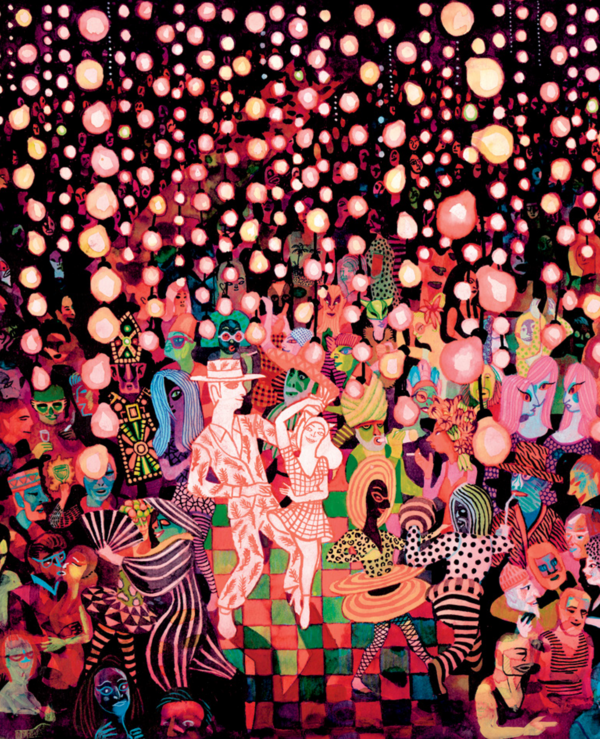
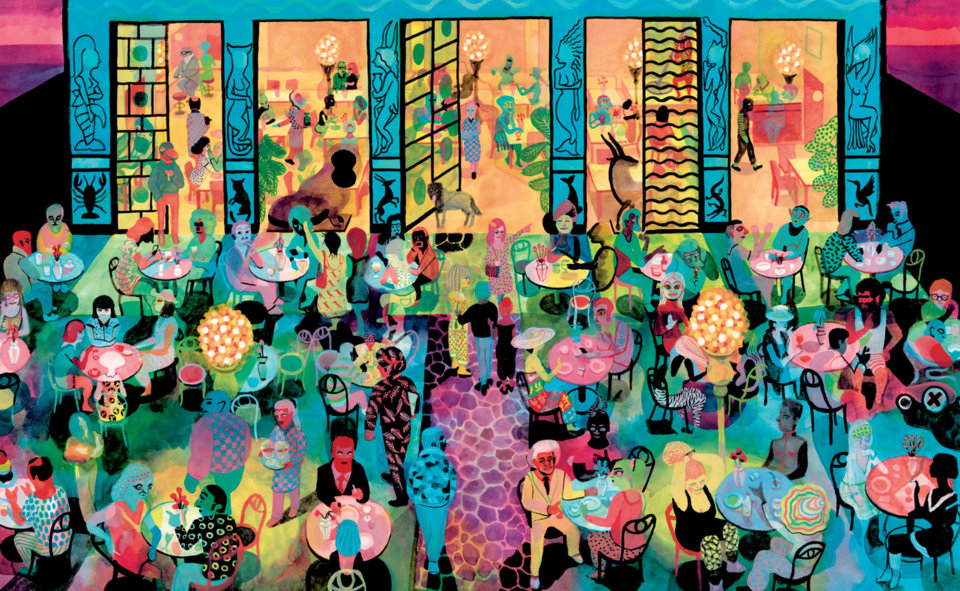
Иногда, чтобы подчеркнуть постоянность действия, Эвенс спаивает фазы в одно ритмичное пятно. Движение героев становится будто сердечным импульсом на мониторе: возникнут проблемы, если он прервется. Герои Эвенса, такие живые и достоверные, как правило, действуют в абсолютной пустоте: так нас ничто не отвлекает, наоборот: так отчетливо слышно каждое признание, пусть даже произнесенное шепотом. Оттого такой поразительной, выбивающей почву из-под ног становится каждая сцена, в которой появляется пространство: хаотичное, сумасшедшее, такое громкое, что в нем едва ли возможно расслышать хотя бы себя. Кажется даже, что диалоги потому-то такие пронзительно искренние и живые, что помещены в среду, полностью расчеловечивающую героев. И для создания такой среды Эвенс использует весьма нехарактерный для комикса набор инструментов.
«Полуночники», Брехт Эвенс, СПБ.: Бумкнига, 2021
Вторая половина XX века стала временем переосмысления границ не только для комикса, но и в целом — для графических нарративов. Еще не объединенные в общее поле, тем не менее, они двигались схожими путями (что закономерно: все же ни одно искусство не развивается в вакууме). И в то время как комикс проходил все стадии взросления, в рамках детской литературы зародился, казалось бы, абсолютно противоположный по духу жанр виммельбуха, который, тем не менее, оказал огромное влияние на комикс вообще, и на работы Брехта Эвенса в частности. Обычно появление виммельбухов связывают с именем немецкого иллюстратора Али Митгуша, чей первый сборник «мельтешащих картинок» Rundherum in meiner Stadt появился в 1968 году.
«Полуночники», Брехт Эвенс, СПБ.: Бумкнига, 2021
И хотя попытки зайти в этот жанр совершались и раньше (например, вспоминается великолепный разворот 1937 года «Новогодняя вечеринка для самых известных комикс-персонажей», нарисованный художниками известной в то время комикс-ассоциации New Cartoon Faction Group для японского журнала Asahi Graph), именно конец 60-х оказался временем, наиболее иконичным для такого вида графического нарратива. Ведь именно в это время Ролан Барт одним из первых задается вопросом, так ли верен наш подход к тексту, как к некому шифру, который мы можем декодировать, и действительно ли, изучив фигуру писателя и его текст вдоль и поперек, мы можем с точностью определить, «что же хотел сказать автор»?