This study presents a visual analysis of the communication strategy of Alfa‑Bank, the largest private bank in Russia, grounded in communication theory. Alfa‑Bank departs from conventional financial communication by adopting a model based on humour, self‑irony, memes, and emotionally charged visual campaigns — a positioning summarised in its slogan: «A bank for smart and free people».
The investigation covers the bank’s public channels: Telegram, VKontakte, YouTube, and offline PR projects. Visual evidence, including screenshots of posts, campaign materials, and interface elements, serves as the primary dataset and is interpreted through established communication theories.
Who is Alfa‑Bank?

Alfa‑Bank is the largest private bank in Russia. From a communication theory perspective, its importance lies not in its size but in its deliberate break with traditional banking rhetoric. Since 2014, the bank has abandoned formal, conservative communication in favour of a provocative, humorous and highly human tone — a strategic move to attract young, progressive audiences.
A landmark early example came in 2015, with a commercial for «Alfa‑Business Mobile» that showed a young entrepreneur swearing at «ancient paper crap». The bank called this style «hooligan and even slightly provocative». It was an act of solidarity with frustrated business owners, building trust through shared annoyance.
The campaign that truly defined Alfa‑Bank’s visual identity was launched in 2021 under the title «Dedicated to the Smart and Free». Its central figure was a plain grey pigeon. According to the agency Voshkod, which created the campaign: «There’s nothing special about this pigeon; it’s ordinary and grey. Absorbed in the hustle of a big city, it finally finds courage and inspiration to achieve its dreams.» The message is that even ordinary people can fly higher. A local cultural joke — that bird droppings bring unexpected wealth — added humour and resonance. The campaign won three industry awards that year.
Also in 2020‑2021, the bank signed television host Ivan Urgant under a «partnership agreement», not a standard advertising contract. As chief managing director Vladimir Verkhoshinsky stated: «We did not sign just an advertising contract. We signed a partnership agreement… It implies a smart partnership.» The first campaign under this agreement had the famously talkative host remain completely silent — a visual signal that the bank values action over empty corporate promises.
One of the riskiest moves in Russian banking PR occurred in 2021, when Alfa‑Bank collaborated with the controversial rapper Morgenstern. ¹ Russian rapper Alisher Tagirovich Morgenstern was added to the register of individuals acting as foreign agents by the Ministry of Justice of the Russian Federation on May 6, 2022. See: Ministry of Justice of Russia. Register of Foreign Agents.
The campaign drew a formal warning from the Federal Antimonopoly Service for indecent imagery. Yet the controversy only fuelled viral spread. The measurable result was 162,000 new digital cards, with the average age of new clients at just 19 years. Verkhoshinsky later commented: «Ten million young people watched how Alfa‑Bank works. Our HR finds it increasingly easy to attract new talent.»



In 2025, the bank continued its unconventional streak by turning a popular toy into a functional payment device. «Simply tap Labubu to the terminal — and the payment is complete, ” the bank announced. The limited release generated substantial social media engagement, further reinforcing the brand’s image as innovative and playful.
The quantitative results of this decade‑long strategy speak for themselves. By early 2025, Alfa‑Bank served over 40 million individual clients and 2 million businesses. Net profit for 2024 reached 210 billion rubles (up 65% from 2023), with return on equity of 23,3%. The retail client base grew by 7.5 million people in a single year.
Alfa‑Bank demonstrates that humour, self‑irony and calculated provocation — applied systematically — can transform a financial institution’s communication and deliver strong commercial results.
«We are not just keeping up with the times — we are ahead of them.»
Communication channels & PR strategies
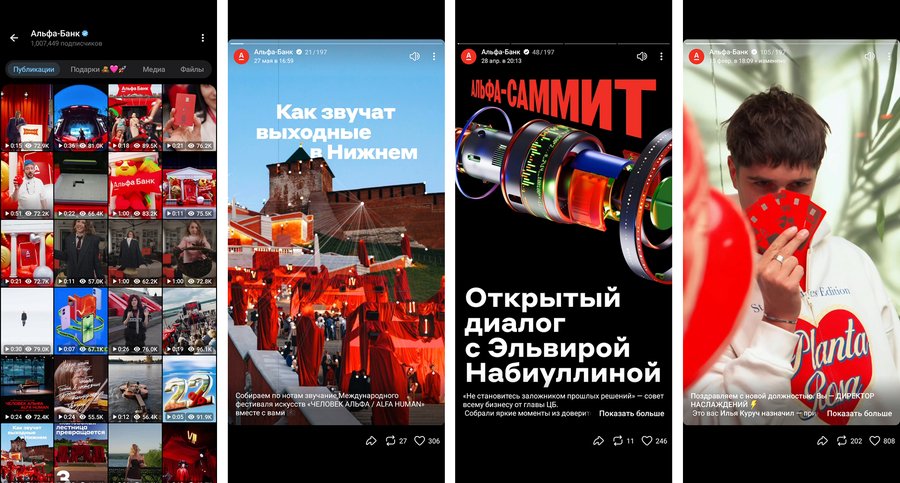

Communication Channels
Alfa‑Bank’s channel strategy is built on a clear functional division. Telegram, with over 1 million subscribers (first among Russian corporate channels), serves as a high‑velocity news feed. Its minimal text and emoji‑heavy style are designed for instant consumption and rapid sharing, making it ideal for product launches and reactive communication.
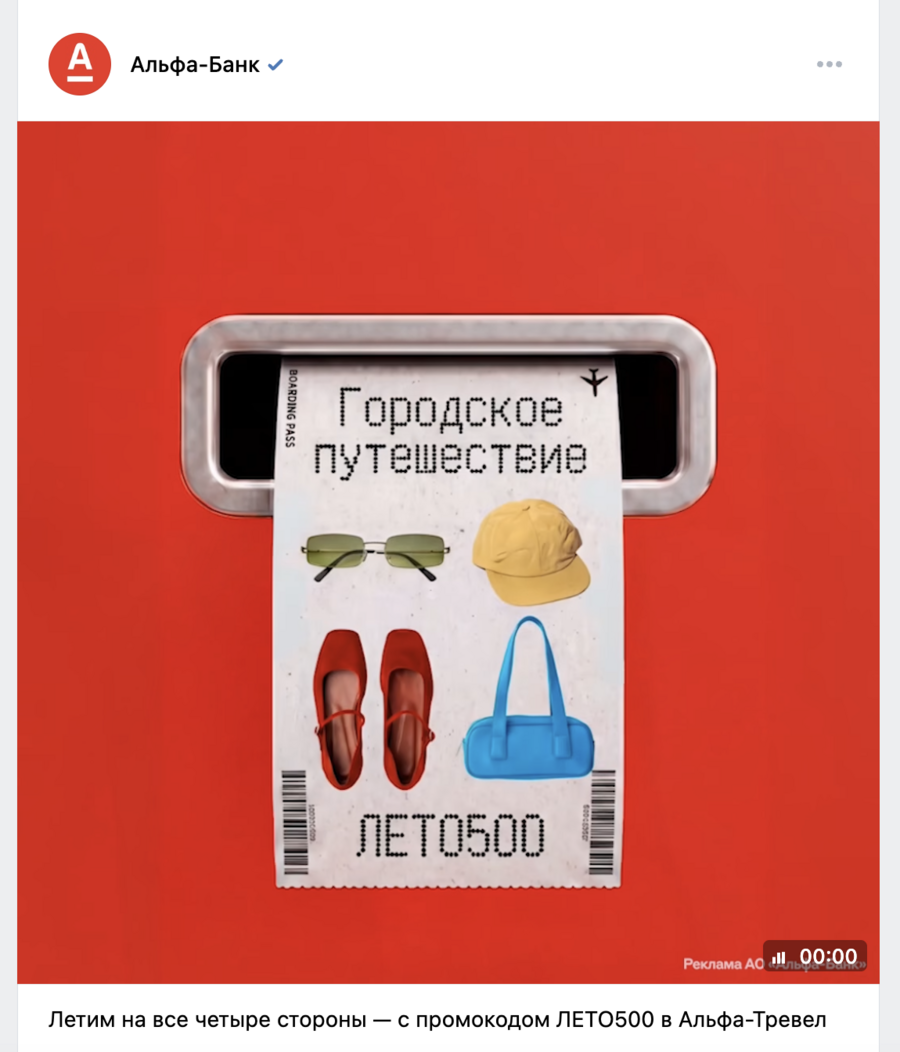
VKontakte prioritises community interaction. AI‑generated posts — for example, correlating zodiac signs with business success — transform dry transaction data into shareable, humorous content. This lowers the barrier to engagement and encourages user‑generated discussion.
YouTube hosts long‑form storytelling (511 videos in the corporate playlist) plus educational content («A‑Money») and the «Alfa Talks» podcast. These formats target audiences seeking deeper brand immersion, allowing the bank to communicate complex messages beyond the limits of short‑form social media.
The «Your Own in Alfa» project (2024) adopts multi‑level marketing principles. Its strategic value lies in reaching micro‑markets: 25% of acquired clients come from towns under 30,000 people with no physical bank branches. That 15% of partners are over 60 and the project includes participants with disabilities turns a sales channel into a social initiative, generating positive PR while expanding the customer base.


PR Strategies
Celebrities are treated as creative partners rather than passive endorsers. Rapper Basta became the brand’s face in 2023, and actor Yura Borisov was announced for the premium Alfa Only service in early 2026. This transfers cultural credibility from the ambassadors to the bank — a form of symbolic capital transfer that reduces audience resistance to financial messaging.
Provocative campaigns represent the bank’s most analytically distinctive tactic. The 2021 Morgenstern collaboration drew a regulatory warning but produced 162,000 new digital cards with an average client age of 19 years. This is a calculated trade‑off: short‑term reputational risk for long‑term audience acquisition. The controversy itself acts as a virality multiplier — regulatory scrutiny generates free media coverage that no paid advertising could match. The 2024 Instasamka campaign followed the same logic, becoming a viral hit despite (or because of) FAS scrutiny.
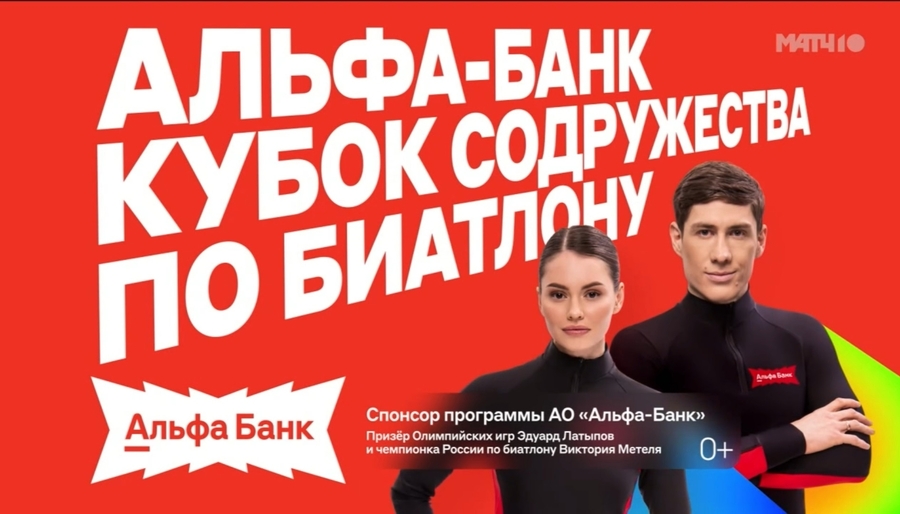

Institutional partnerships extend the brand into lifestyle contexts. A 2025 partnership with Avito and limited‑edition payment cards with designer Mark Rodovsky and the collective ÖMANKÖ (slogan: «No Money») normalise banking as part of everyday consumption. The title partnership with the Russian Biathlon Union serves a different function: associating the bank with endurance, precision and national pride — values that appeal to an older, more conservative segment.
Effectiveness metrics confirm the commercial logic. By May 2025, Alfa‑Bank served 40 million individuals and 2 million businesses, with net profit of 210 billion rubles (up 65% from 2023). Industry awards (two Ipsos Bank Ad Awards, seven Belarusian Advertising & Marketing Awards) indicate peer recognition. The key analytical conclusion is that humour, calculated provocation and channel differentiation have been transformed from decorative extras into strategic growth drivers.


Theoretical Framework
Uses and Gratifications Theory
Uses and Gratifications Theory was developed in media research to explain not what media do to people, but what people do with media. Its main assumption is that the audience is active: people do not consume media randomly or passively, but choose specific channels and formats in order to satisfy particular needs. These needs can be practical, emotional, social, or informational, and different media are selected depending on which need is most important in a given situation [1].
The theory is usually built around several key types of gratifications. The first one is cognitive need, which refers to the search for information, knowledge, and clarity. In the case of a bank, this can mean checking interest rates, product conditions, branch addresses, or app functions. The second one is affective need, which is connected to emotions, pleasure, or aesthetic experience. In brand communication, this is the part that makes a company feel modern, friendly, or visually appealing. The third one is personal integrative need, which is related to self-confidence, status, and the feeling of being competent or in control. For a financial brand, this may be achieved when communication makes the customer feel financially informed and capable. The fourth one is social integrative need, which is connected to belonging and social connection. In digital communication, this can appear through following a brand on social media, sharing content, or participating in a community around the brand. Finally, there is tension release, which refers to relaxation, entertainment, or distraction [1].
This theory is especially useful for analyzing Alpha-Bank because the brand communicates through many different channels that serve different user motivations. The website mainly satisfies cognitive needs, the app satisfies practical and control-oriented needs, while social media and video advertising can also satisfy emotional and social needs. In other words, the same brand offers different media experiences depending on what the audience wants from the interaction.
Dialogic Communication Theory
Dialogic Communication Theory describes communication as a two-way process built on interaction, openness, and relationship-building. Instead of seeing communication as one-directional broadcasting, the theory argues that organizations should create space for dialogue with their publics. Dialogue here does not mean simply answering comments; it means maintaining a communication environment in which both sides can exchange meanings, questions, and reactions [2].
The theory is often explained through several dialogic principles. One of them is mutuality, which means that the organization recognizes the public as a partner in communication rather than a passive receiver. Another is propinquity, meaning that communication should be timely and present in the same space where the audience is active. For digital brands, this means being visible on the platforms where users already spend time. The third principle is empathy, which implies sensitivity to the needs and concerns of the audience. A bank that communicates with empathy does not only sell services; it also explains, reassures, and supports. Another important principle is risk, which refers to the willingness to enter real interaction even when the response may not always be fully controllable. This is especially relevant in social media, where public feedback can be positive or negative. Finally, dialogic communication relies on commitment, meaning a stable long-term effort to remain open and responsive [2].
For Alpha-Bank, this theory helps to evaluate whether the brand only speaks to users or also builds a genuine public conversation. On various social media platforms the bank can be analyzed through its replies, content formats, interactive elements, and overall willingness to engage with audiences. The theory is especially appropriate for a financial brand because trust is not created only by visual identity, but also by the sense that the institution is accessible, responsible, and communicatively present [2].
Together, these two theories give a useful framework for analyzing Alpha-Bank as a modern digital brand. Uses and Gratifications Theory explains why people use the bank’s website, app, and social media in the first place, while Dialogic Communication Theory explains how the bank tries to maintain ongoing relationships with those users. The first theory is about user motivation; the second is about brand interaction. This combination is especially productive for Alpha-Bank because the brand operates in a media environment where functionality, visibility, and responsiveness all matter at the same time.
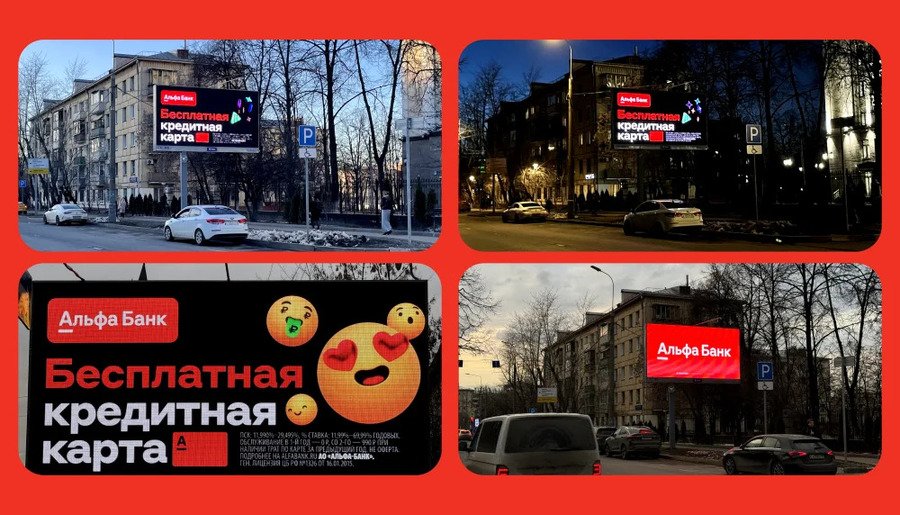
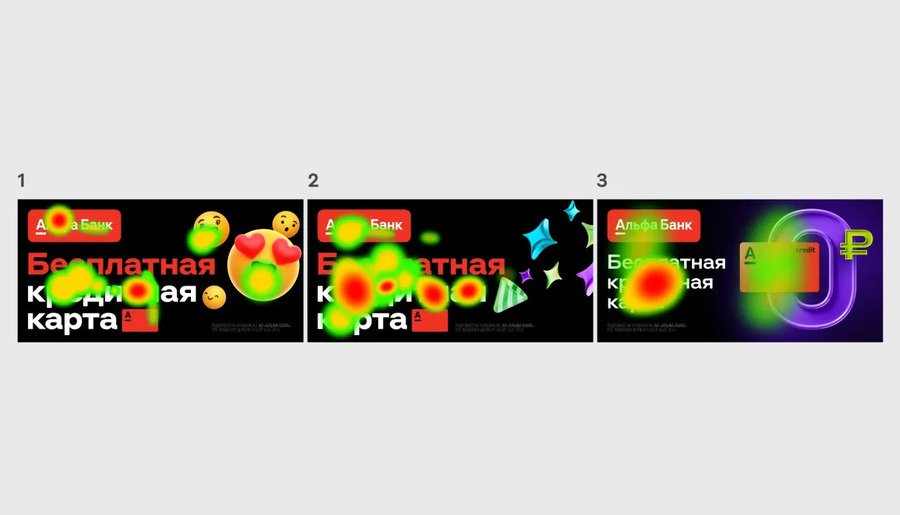
Analysis