Introduction
In today’s digital landscape, a brand’s success is determined not only by product quality but also by its ability to establish effective communication with its audience. This is particularly relevant for brands targeting the younger generation of consumers, who interact with a vast amount of visual information and digital services on a daily basis. In such cases, communication becomes an integral part of the brand.
The subject of this study is the Drinkit brand — a Russian chain of coffee shops that actively uses digital technologies to engage with its audience. In addition to the traditional coffee shop format, the brand has developed a mobile app, a loyalty program, social media presence, and collaborations with other companies. As a result, the brand’s communication takes place simultaneously in both physical and digital spaces.
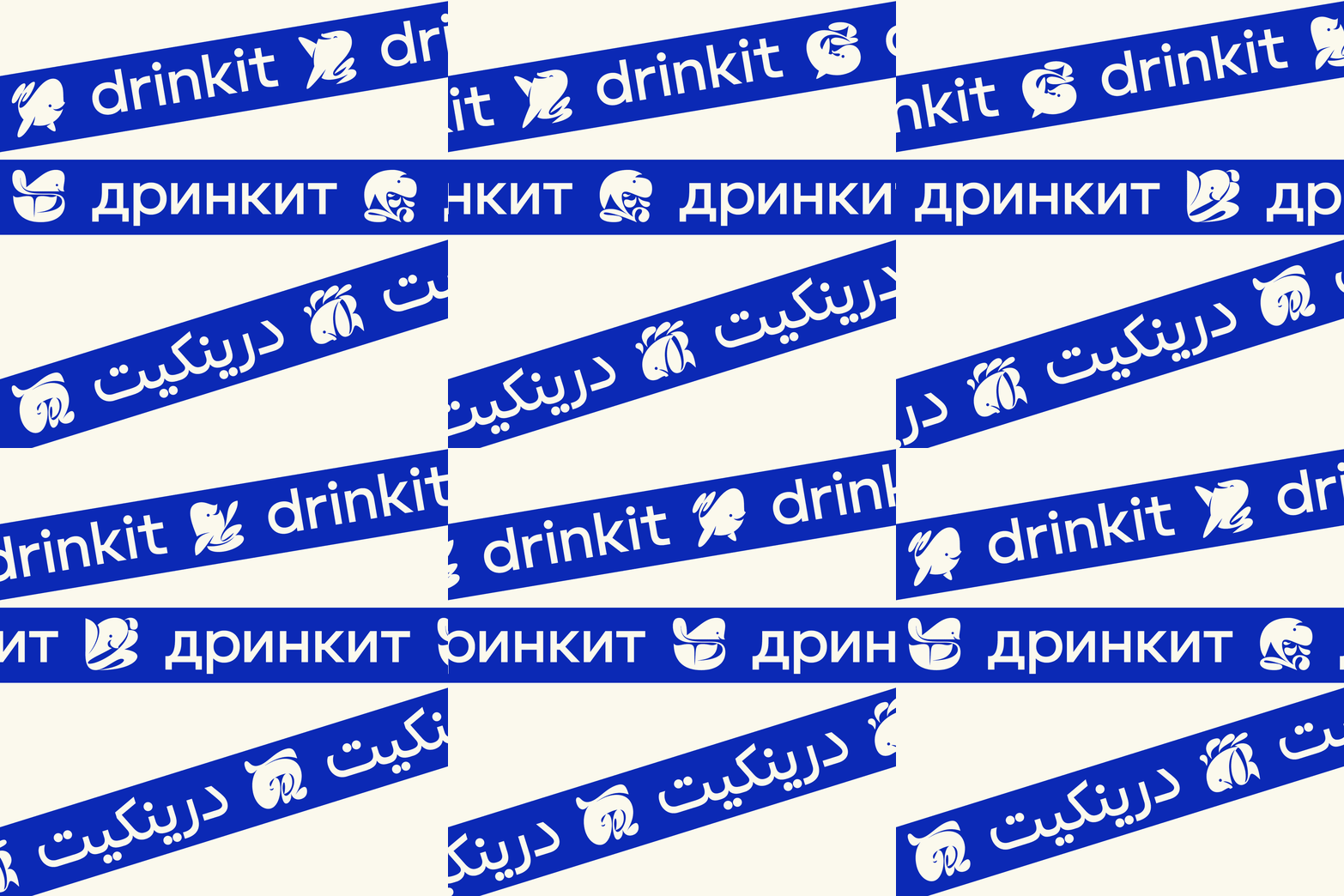
Drinkit brand identity

Drinkit Coffee Shop
The aim of the study is to analyze Drinkit’s communication strategy through the lens of contemporary communication theories. The Uses and Gratifications Theory, the Elaboration Likelihood Model, and Symbolic Interactionism were selected for the analysis. These theories allow us to examine both the rational and emotional mechanisms of the brand’s interaction with its audience.
Drinkit brand identity
Brand Communication Channels
Drinkit’s communication strategy is based on an omnichannel approach. The brand interacts with users through several interconnected channels, each of which serves a specific purpose.
One of the main channels is the mobile app. It is used to order drinks, earn rewards, receive personalized offers, and participate in promotions. The app serves both as a purchasing tool and as a key platform for communication between the brand and the consumer.
Drinkit Mobile App
The second significant channel is Instagram*. The social network is used to shape the brand’s emotional image, inform users about new products, and maintain constant contact with the audience. Content is built around vibrant visual aesthetics, close-ups of drinks, seasonal collections, collaborations, and youth-oriented humor.
Drinkit Instagram*
Coffee shop spaces also play an important role. The interior, packaging, brand mascot, and visual identity extend the brand’s communication beyond the digital environment. As a result, users encounter a consistent brand message regardless of the communication channel.
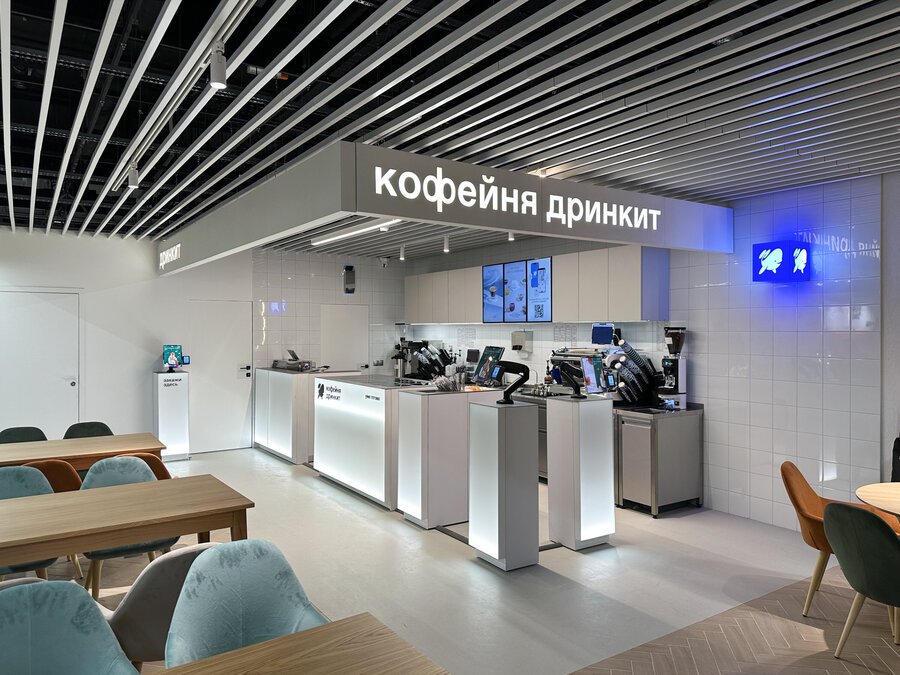
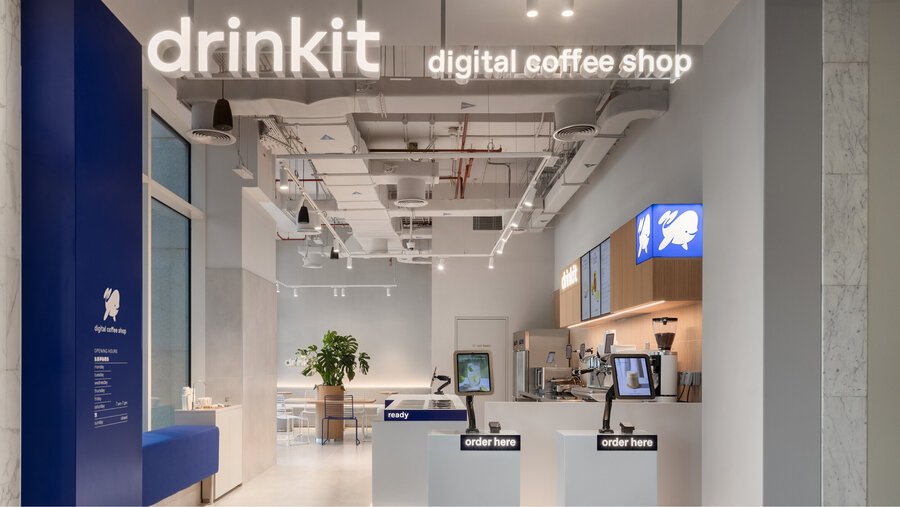
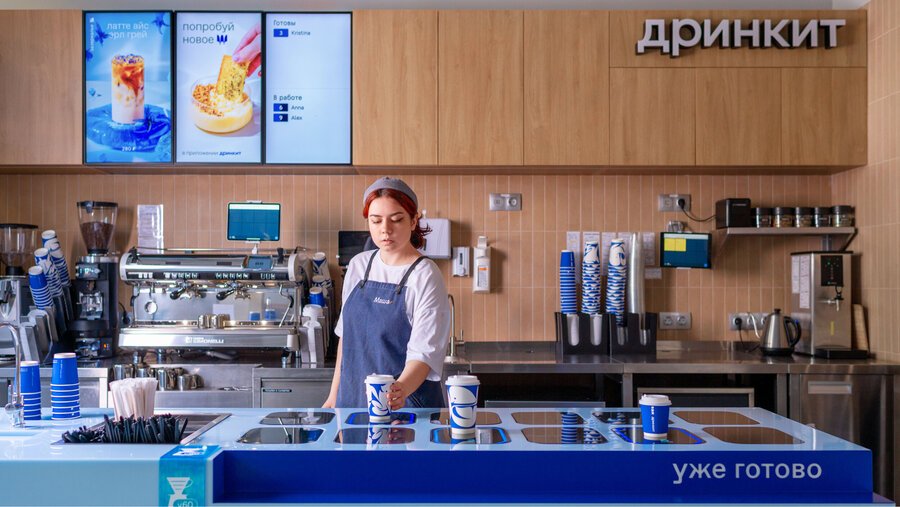
Drinkit Coffee Shop
Partnership projects and collaborations serve as additional communication tools. For example, Drinkit’s partnership with Aviasales brings together the audiences of both brands and allows for expanded reach through mutual exchange.
Drinkit х Aviasales
Theoretical Framework of the Study
Three communication theories were selected to analyze the brand’s communication strategy. The first is Uses and Gratifications Theory. According to this theory, the audience is not a passive recipient of information. Users independently choose communication channels that can satisfy their needs. Communication is viewed as a tool for obtaining benefits, information, entertainment, or emotional experiences.
The second theory is the Elaboration Likelihood Model. According to this model, persuasion can occur through two pathways: the central and the peripheral. The central pathway involves a rational evaluation of arguments, whereas the peripheral pathway is based on emotional cues, visual appeal, and associations.
The third theory is Symbolic Interactionism. This theory views communication as a process of creating meaning through interaction with symbols. People perceive the world around them through a system of signs and interpretations, and brands become carriers of specific cultural and social meanings.
Brand Analysis Through Uses and Gratifications Theory
From the perspective of Uses and Gratifications Theory, Drinkit’s communication strategy is designed to satisfy several audience needs simultaneously.
First and foremost, the brand satisfies the need for convenience. Users can place an order in advance via the app, customize their drink, and pick it up without waiting in line. Thus, the brand’s communication is tied to creating a comfortable user experience.
App and Communication
The second important need is the need for control and personalization. The app provides personalized recommendations, order history, and special offers. Users feel that the interaction is tailored to their preferences.
The third need is the desire for rewards. The points and bonus system creates additional motivation to engage with the brand. The user receives not only a drink but also a sense of accumulating achievements, which increases engagement and the frequency of service use.
In addition, the brand’s social media channels satisfy the need for entertainment. Vibrant visual content, seasonal campaigns, and interactive formats create a positive emotional experience that goes beyond the immediate consumption of the product.
Personalization, rewards
Thus, Drinkit demonstrates a high level of alignment with Uses and Gratifications Theory, as it provides the audience with comprehensive satisfaction of both functional and emotional needs.
Brand Analysis Using the Elaboration Likelihood Model
The Elaboration Likelihood Model helps us understand how a brand persuades people to choose its products.
One way to persuade is through rational benefits. Drinkit actively promotes its loyalty program, discounts, bonuses, and special offers within the app. This allows users to see the concrete benefits of using the service. For example, the ability to earn points and receive bonuses makes purchases more appealing. In this case, the decision to buy is based not only on emotions but also on an understanding of the real benefit for the customer.
But emotions are also important to Drinkit. The brand uses bright colors, beautiful photos of drinks, and a modern visual style that catches users’ attention. This helps the audience form a positive impression of the brand even before they explore its products or offers in detail.
Instagram* posts
This is particularly evident on Instagram*. The posts create an atmosphere of comfort, enjoyment, and a modern lifestyle. Users associate the brand with positive emotions, relaxation, and high-quality coffee, which makes it more appealing.
Collaborations with other well-known brands also play an important role. Such partnerships help build audience trust, as a positive attitude toward one brand is partially transferred to the other. Thus, Drinkit uses both rational incentives (discounts, bonuses, and promotions) and emotional appeal through visual content and partnerships. This combination helps the brand effectively attract and retain customers.
Brand Analysis Through Symbolic Interactionism
According to the theory of symbolic interactionism, people perceive brands as carriers of certain ideas and values.
Drinkit sells more than just coffee. Through its corporate identity, the brand projects the image of a modern, active, and tech-savvy person. Bright colors, a simple design, and a user-friendly mobile app create the impression of a modern and convenient service that keeps pace with the rhythm of city life.
The logo and the brand’s mascot play an important role. They appear regularly in the app, on social media, and in promotional materials, making them easily recognizable and helping to distinguish Drinkit from its competitors.
Corporate identity