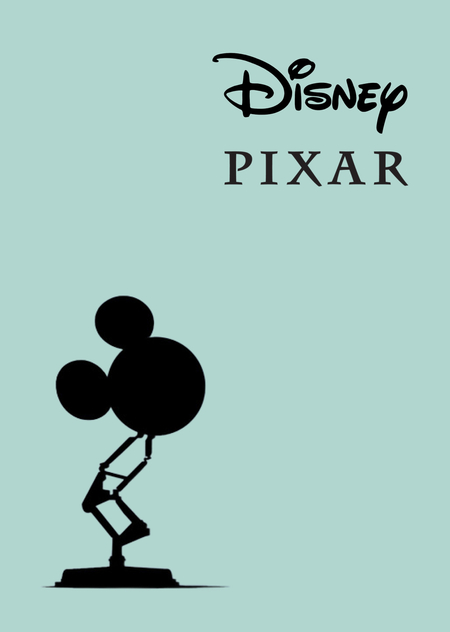
Disney and Pixar, the great merge and shift of copyrights.
Introduction
A few days ago I was having a conversation with my roommates on our favorite Disney animations. The conversation slowly turned into a little discussion of whether Disney is better that Pixar just for us to find out that Disney own it. This honestly blew my mind because my whole life i have been thinking that the two studios are the biggest competitors. Interesting thing is that Disney not only owns Pixar but also another number of unobvious companies a few of which are Pixar Animation Studios, Marvel Studios, Lucasfilm (including franchises like Star Wars), 20th Century Studios (formerly 20th Century Fox), Searchlight Pictures and many others.
Does this mean that Disney holds copyrights on all the products produces by its subsidiary companies or it only has extensive rights over the intellectual property, including characters, stories, and other creative works? If it does how exactly does it work, and if it doesn’t are there any other way though which Disney takes control in the in the processes of this companies.
This are some of the questions that immediately crossed my mind when I found out about this interesting fact. The visual research will be about what exactly are copyrights and how exactly they work in situations where a company owns subsidiary companies such as Pixar Animation Studios, Marvel Studios, Lucasfilm (including franchises like Star Wars), 20th Century Studios in our situation. What happens to the copyrights of the subsidiary studios after a company (Disney) acquires it. Not only that but also have a look at how decision making and collaborative actions work, Trademark protection, Public domain considerations and a scope of licensing agreements.
As we have just discovered, Disney owns a vast array of companies spanning various sectors, including film studios, television networks, theme parks, resorts, and consumer products. This extensive portfolio reflects Disney’s strategic approach to dominating the entertainment industry and creating a diverse ecosystem that appeals to audiences of all ages. The list of companies under Disney’s umbrella is quite diverse and encompasses some of the most recognized brands in the world. To narrow down our analysis, we will focus specifically on Pixar Animation Studios. This entity is closely related to Disney and plays a significant roles in the entertainment industry, which nearly everyone has encountered at least once in their life and came across their iconic films, animations and characters.
What is Walt Disney?
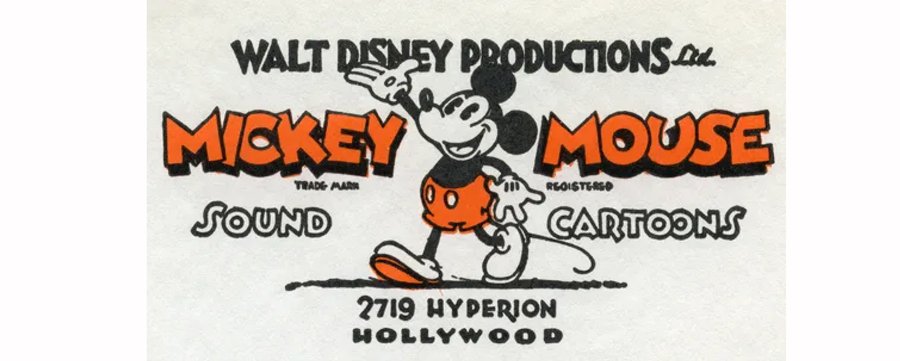
Walt Disney, 1923, 1st Disney logo
There might be a small possibility that you somehow missed on this one, Disney is an American multinational mass media and entertainment conglomerate that was founded by 2 brothers Walt Disney and Roy Oliver Disney in Chicago in the early 1920s. The company was initially named as Disney Brothers Cartoon Studio (1923) later on changed Walt Disney studio (1926), Walt Disney production (1929) and eventually named as Walt Disney Company (1986) and used until the current day.
Second Disney logo, 1937; Third Disney logo, 1948; Fourth Disney logo, 1972
Disney logo, 1985; Current Disney logo, 2011
The main focus of the Disney Brothers studio was on creation of short animation films, and we can see that in some of their first projects such as the silent animated film called «Alice Comedies „. Alice comedies was about a girl (Alice) that interacted with animated characters, and Oswald cartoon with a main character being a mischievous rabbit Oswald the Lucky Rabbit that gained huge popularity in the 1927.
Walt Disney studio, 1927, Oswald the Lucky Rabbit
Mickey mouse marked the beginning of Walt Disney successful careers path after appearing on the premiere of Steamboat Willie.
In this animation Mickey mouse was a standout character that charmed the audience and was remembered for his optimism, cheerfulness and creativity. Steamboat Willie was a short animation with inbuilt audio which was extremally rare at that time if not revolutionary in the animation history. This set Walt Disney aside for all the competitors such as Fleischer Studios, Charles Mintza and Warner Bros.
Walt Disney production, 1932, Mickey’s good deed
Walt Disney, 1929, Mickey Mouse / Barn Dance; Flilmliga magazine, 1935, a publication about Mickey mouse in Dutch language
Pixar Animation Studio
Pixar started it path back in the 1979 as a department in the Lucasfilm company, a company that focused on development of computer graphics. Later on in the 1986 Pixar Animation Studio was formed as an individual studio after being purchased by Steve Jobs as a result of Lucasfilm Computer Division spin off.
Unkown designer, 1979, First Pixar logo; John Lasseter, 1986, First Pixar logo
Peter Docter, 1994; First Pixar logo
It didn’t take so long for Pixar to gain its recognition, in the same year of its establishment, they released one of the fist ever only CGI created animations, ” Luxo Jr». Luxo Jr animation showed that it was possible to create animations with CGI only which at that moment seemed almost impossible and as a symbol of success it became part of the studios logo and mascot that we see until the present day.
Pixar studio Pixar, 1986, Scenes from Luxo Jr
To the current days Pixar is a very successful design studio which is know for its story telling enjoyed by people of all age groups. In Pixar animations you often observe situations to which almost everyone can relate to which builds an incredible emotional connection. Pixar animation studio has received over 23 Academic Awards a few of which include Grammy and Oscars for its storytelling and CGI.
Comparison of the 2 animation studios by the 1991
In 1991 Walt Disney and Pixar had their first collaboration that was marked after the release of the first ever only computer CGI technology animated film. Its importanto to understand in what place did both of this animations studios stand during that time.
By 1991 Disney has gone through a lot of changes since the early 1020s when it was just established by the two Disney brothers. After the death Walt Disney and Roy Disney in 1966 and 1971 respectively the company transitioned from direct foamily ownership to being publicly traded and managed by the company executive. By the the 1991 Michael Eisner was the Chairman and the CEO of Walt Disney Company.
When Disney was having its first collaboration with Pixar its important to mention that it was quite successful and was dominating the 2d animation industry having over 30 animated films and over 20 animated series, some of which have been nominated Best Original Score, Best Picture, Best Original songs and many others.
Walt Disney, 1937, Scenes from Snow White and the 7 Dwarfs (Disney’s 1st animated movie)
Walt Disney, 1940, Pinocchio Poster; Walt Disney, 1937, Snow White and the 7 Dwarfs poster; Walt Disney, 1941, Dumbo Poster
Despite the fact that Pixar has not been in the game for as long as Disney was by 1991 it was a very strong animation studio that not everyone could compete with. Pixar didn’t have such a wide range of animated films like Disney did but it clearly stood out with its short films such as Luxo Lr (that was mentioned before), Tin Toy released in 1988 that got nominated by the Academy Awards as the best short film at the Oscars.
The animation that Pixar studio stood out a lot with its CGI technologies, RenderMan software to be specific that was able to render animations of the best quality at that time. By the time other animation studios, such as DreamWorks Animation, Mainframe Entertainment where exploring to enter the CGI animation market Pixar animation studio already had a strong portfolio with list of short notable animated films.
Pixar animation studio, 1988, Scenes from Tin Toy short film
Pixar animation studio, 1988, Tin Toy short poster; Pixar animation studio, 1987, Red Dreams short film poster; Pixar animation studio, 1989, Knick Knack
The first collaboration of Pixar and Walt Disney animation studio.
Regardless all the success Disney was going through relative decline in growth. Many Design studios were actively entering the market, exploring new innovations and technologies of creating animations especially in the CGI world. This was a problem for Disney studios since it specifically specialized in the creation of hand drawn 2d animations. Pixar animation studio had a different problem which was financial struggle. Regardless all the big achievement and successful short films it had made it was nit making as much profit to cover up all the expenses it had during the creation of this animations. Pixar was also relatively new in the market and therefore is didn’t have a proper system that worked on the post production, and focused more on the technical parts such as creating the story line and working on the quality of the picture.
Collaboration of the leading CGI animation and the most successful and experienced animation studio looked like the best decision to be made in this situation for both studios/ On one side to keep up with the accelerating changes in the animation industry (for Disney) and on the other side to get enough funding and get help in all the post production (for Pixar). In 1991 Disney collaborated with Pixar in the creation of the very first full CGI animation film Toy Story.
In 1991 Disney collaborated with Pixar in the creation of the very first full CGI animation film Toy Story that was inspired by one of the first short animations that Pixar made (Tin Toy). This was a very successful collaboration that once more proved that the two studios positively complete each other creating over $365 million of revenue having a production budget of around $30 million.
Pixar animation studio, 1995, Scenes from Toy Story movie
Pixar animation studio, 1995, Scenes from Toy Story movie
Pixar animation studio, 1995, Toy Story movie Poster
Merge of Disney and Pixar animation studio.
Eventually in 2006 Disney acquired Pixar animation studio making it a subsidiary Disney company after having a good number of released animation films under collaboration such as Bug’s Life (1998), Toy story 2 (1999), Monsters (2001), Finding Nemo (2003) etc. This drastically changed all the the structure of the Copy rights ownership and Trademark Protection for Pixar lets have a look on this in detail.
Since Disney was the owner of Pixar this now ment that all of the copyright ownership directly shifted to being owned by Disney. In this section of the visual research we will have a close look on what exactly happened to copyright ownership, trademark protection, public domain consideration and licensing agreement after the changes that Pixar and Disney animation studio went through.
Copyright ownership
The first most obvious section that we are going to focus on here is Copyright ownership, which refers to the legal rights that are granted to the author of creative work. In our case we are looking at everything from the movie character, songs, music to the art that was included in the films. This rights allowed Pixar to makes post productions after the release of their films, for example creation of posters for marketing purposes, display the films the Tv after making an agreement with broadcasting companies etc.
After 2006 all of the copyrights that Pixar animation studio had transferred to Disney because it was now the full rightful owner of the animation studio, including not only everything that was created after the changed of ownership but also everything crated before.
Disney used the copyright ownership in many different ways a few of which include expansion of franchise opportunities, through creating merchandise that were base on Pixar’s characters such as Toy story, Finding Nemo, Monsters, The Incredibles etc, that where released before the change in ownership. Its also important to mention that Disney could now establish collaboration projects without waiting for anyone’s approval just like it did with McDonalds in 2006 for example, and released a Happy Meals Cars toys collection.
Walt Disney company, 2006, Deluxe Electronic Adventure Woody; Walt Disney company, 2007, Deluxe Electronic Buzz Lightyear (Backyard Patrol edition); Walt Disney company, 2006, Plush Jessie.
Walt Disney company and Mc Donald’s collaboration, (2006), McDonalds cars happy meal toy story cars collection.
Walt Disney company and Mc Donald’s collaboration, (2006), McDonalds cars happy meal toy story cars collection.
Walt Disney, (2024), Woody Plush; Walt Disney, (2024), Toy Story Alien Plush; Walt Disney, (2024), Buzz Lightyear Plush
Walt Disney and Walmart collaboration; (2024), Boo, Sully and Mike Toy figures
Trademark Protection
When we look at trademarks the focus is more on certain signs and symbols, such a logos of different brands or companies. Trademarks help us to quicky understand who in the creator of a certain product and how exclusive it is. Trademarks are really important since they add value to the products, for example if you where to go to the cinema during the Christmas season and you see 2 movies with a very similar story line one has the Pixar logo on it and the other one has a logo of animation studio that you never saw before, you are most likely to go for the Pixar movie just because you like the studio and you are more familiar with their style.
Something interesting to note, is that Pixar’s logo with the inclusion of the legendary Luxo Jr. lamp character, continued to appear in the movie intors and movie posters even after Disney became the owner of the animation studio. This gives Pixar a separate identity explaining why a good number of people up to today don’t know that Disney owns Pixar animation studio.
We can confidently say that after the changes in 2006, the rights on Trademark protection use now belong to Disney just like the the copyrights that were mentioned before. This means that only Walt Disney and not Pixar itself can now use and make decisions that concern the Pixar logo for example, how to used it in the companies post production, marketing and promotions.
Walt Disney, 2015, Inside Out movie intro
Conclusion
After believing for so long that Pixar is a septate company that had its own unique style in creation of animations and a brand identity in general, its very strange to realize that all this time Pixar has been under Walt Disney that has all the trademark rights, copyrights, and is rightful to make various licensing agreements. It has been like that all alone, shown almost everywhere, on the movie posters, movie introductions, post movie production goods, where the Walt Disney logo appears with the Pixar logo. Pixar movie characters also always appear in all of Disney’s amusement parks. The two brands complete each other and could never reached this far separately. Even tho they are all under Walt Disney, its interesting the way Pixar will always stay in our hearts for the beautiful, emotional real life reflective storylines and Disney for its dreamy, fairytale plots and character recognition movie style.
Pixar Logo Design: History & Evolution // Kreafolk [Электронный ресурс]. Режим доступа: https://kreafolk.com/blogs/articles/pixar-logo-design (дата обращения 19.11.2024)
Nintendo Logo Design: History & Evolution // Kreafolk [Электронный ресурс]. Режим доступа: https://kreafolk.com/blogs/articles/nintendo-logo-design (дата обращения 19.11.2024)
Marvel Logo Design: History & Evolution // Kreafolk [Электронный ресурс]. Режим доступа: https://kreafolk.com/blogs/articles/marvel-logo-design (дата обращения 19.11.2024)
Lionsgate Logo Design: History & Evolution // Kreafolk [Электронный ресурс]. Режим доступа: https://kreafolk.com/blogs/articles/lionsgate-logo-design (дата обращения 19.11.2024)
Netflix Logo Design: History & Evolution // Kreafolk [Электронный ресурс]. Режим доступа: https://kreafolk.com/blogs/articles/netflix-logo-design (дата обращения 19.11.2024)