Лекция для учеников старших классов — о живописи и других форматах современного искусства, которые определяют развитие креативных индустрий сегодня.
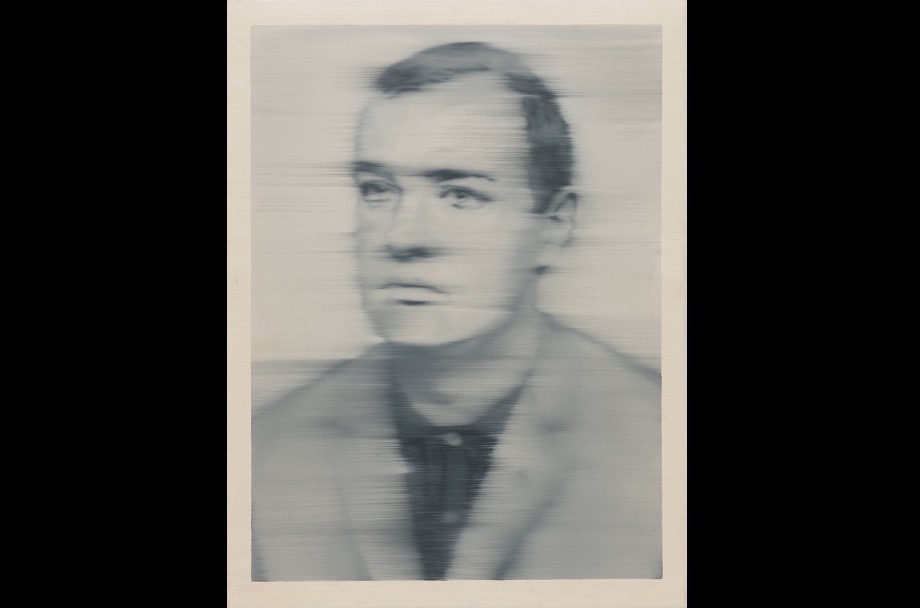
Герхард Рихтер. «Портрет Мюллера». 1965. Источник: sfmoma.org
Господин Мюллер смотрит на нас с фотографии. Точнее, он смотрит не на нас, а куда-то в сторону. А если еще точнее: это не фотография, а картина, написанная Герхардом Рихтером в 1965-м году. Она значительно больше фотоснимка (80 сантиметров в высоту и 60 в ширину) и на шерховатой поверхности холста хорошо видны слои краски.
Почему же картина выдает себя за размытую фотографию? Какое впечатление живопись производит на нас? Какие секреты открывает внимательному зрителю?
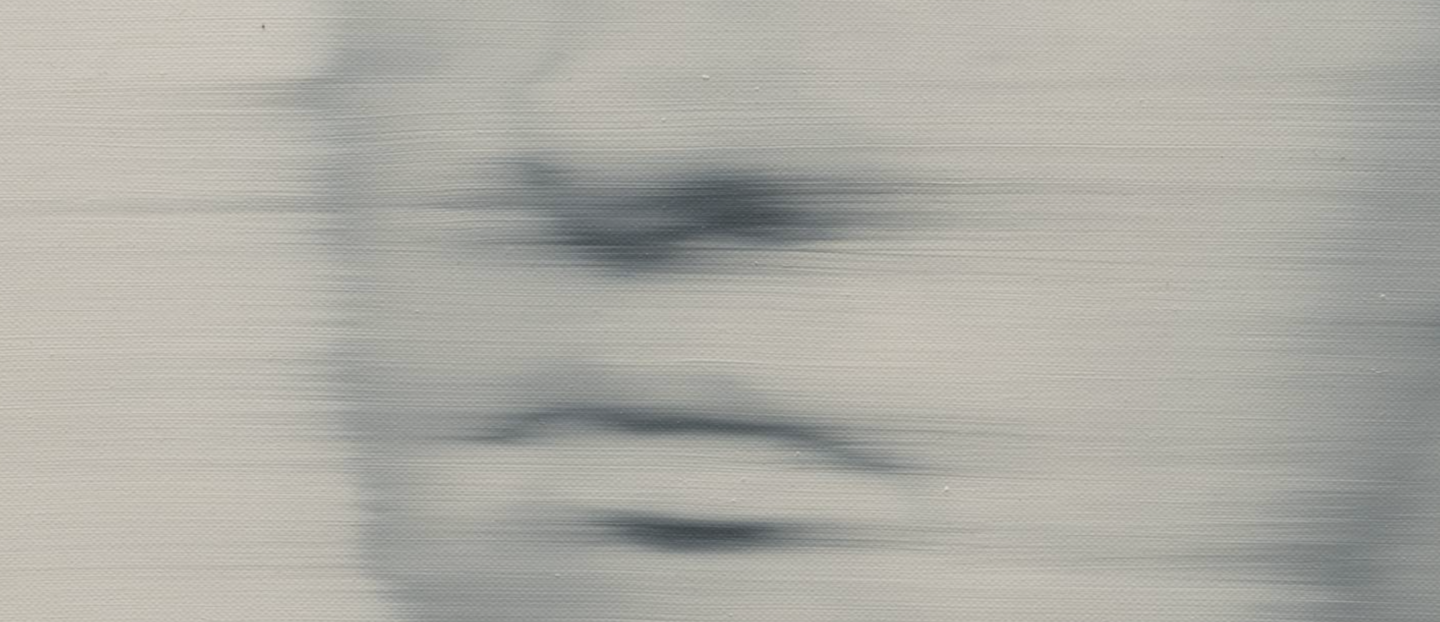
Герхард Рихтер. «Портрет Мюллера». 1965. Фрагмент. Источник: sfmoma.org
Чтобы ответить на эти вопросы, давайте вернемся на несколько столетий назад, в период, когда живописцы начали всерьез размышлять о природе своего искусства, его приемах и техниках.
Античное искусство считала главной целью художника «мимесис», подражание природе, умение замечать и воспроизводить все богатство форм видимого мира. Но тогда это была скорее общая рекомендация, а в эпоху Возрождения было написано несколько трактов с четкими инструкциями по построению перспективы и изображению человеческого тела в правильных (математически выверенных) пропорциях.
Альбрехт Дюрер. Иллюстрация к изданию. «Инструкция по измерению циркулем и линейкой». 1527
Художник подходил все ближе к разгадке тайн человеческого зрения, создавал все более совершенные оптические иллюзии, «обманки», стирая границы между изображаемым и увиденным.
Йорис Хоэфнагель. «Обманка. Стебель зорьки». 1561-1562 /1591-1596. Изображение кадрировано.
К началу XIX-го века художники наконец достигают совершенства. Академическая выучка позволяет изображать все многообразие состояний природы, любую ткань, вышивку или драгоценный камень, показать какую угодно эмоцию, передать биение пульса под нежной кожей…
Жан-Огюст-Доминик Энгр. «Портрет графини Турмон». 1812. Фрагмент
Два женских портрета кисти Энгра
… и именно в этот момент на пути искусства живописи становится — фотография.
Дагерротип. Женский портрет. 1840-е.
Эжен Делакруа интересовался фотографией, Клод Моне восхищается возможностями современной техники, мечтая сделать свои глаза способными схватывать мельчайшие детали и нюансы цвета так же точно и объективно, как это делает машина.
Импрессионисты добиваются совершенства в передаче видимой глазом реальности, художник практически становится машиной. Но именно в момент торжества подражания природе перед живописью встает сакраментальный вопрос: если для создания изображения достаточно нажать на кнопку аппарата, к чему кропотливо наносить краски на холст?
Клод Моне «Прибытие поезда на вокзал Сан-Лазар», 1867 // Альфред Штиглиц «Рука человека», 1902
Может быть, живописи нужно искать другой путь? Изображать то, что невозможно уловить одним лишь зрением?
Эмоции, порывы, философские построения, высшие смыслы.
Поль Сезанн. «Сосна близ Экса». 1897 (фрагмент)
Пит Мондриан. «Нью-Йорк». 1942 (фрагмент)
Так началась история модернистского искусства, одержимого движением к новым открытиям, к созданию ни на что не похожих стилей и форм, к яркому проявлению индивидуальности каждого художника.
И спустя полвека, в 1950-е годы, живописцы как будто совсем позабыли о подражании природе. Абстрактное изображение стало новой нормой для искусства. На передний план вышло переживание творческого озарения, а традиции и ремесло стали как будто неважны.
На смену художнику-мастеру приходит художник-шаман. Он больше не подражает природе, он сам — природа.
Джексон Поллок за работой
Джексон Поллок. «Номер один. Лавандовая дымка». 1950. moma.org
Живопись превращается в чистых жест, эмоциональный всплеск, оставляющий след на холсте.
Все становится возможным.
Нам Джун Пайк. «Дзен для головы». 1960. moma.org
1960-е становятся временем полной творческой свободы, когда возникает все больше инструментов и форматов: перформанс, хэппенинг, видеоарт, саунд, глитч, робототехника, виртуальная реальность… казалось, что живопись осталась в прошлом.
Нам Джун Пайк. Фрагмент видеоинсталляции.
И все же художники снова замешивают краски на своих палитрах. Почему?
Герхард Рихтер за работой
В современной культуре, наполненной цифровыми образами и сетевыми событиями, легко потерять почву под ногами. Французский философ Жан Бодрийяр называл это состояние «гиперреальностью»: все кажется очень убедительным, но при этом люди могут выдавать себя за других, факты могут оказаться фейками, сложно доверять статистике, книгам, фотографиям… ощущение реальности становится все слабее.
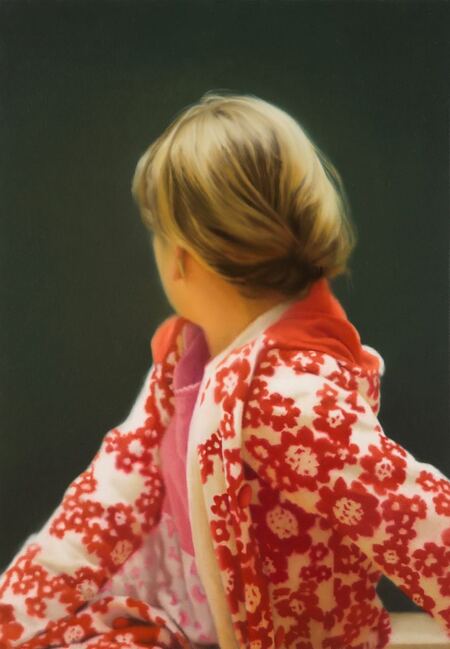
С этими вопросами может работать живописец, создающий изображения своими руками. Он придает образу материальность с помощью холста и краски. Прощупывает границы между воображаемым и действительным.
Герхард Рихтер. «Бетти обернулась». 1988. Источник: artchive.ru