
Hi-Hat: A young boy has grown up
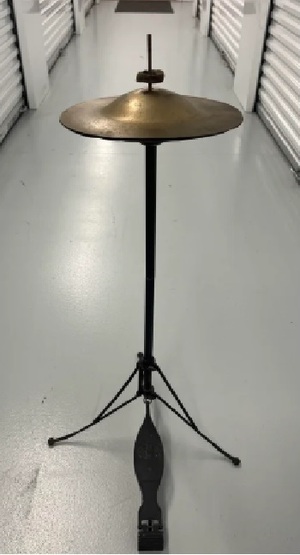
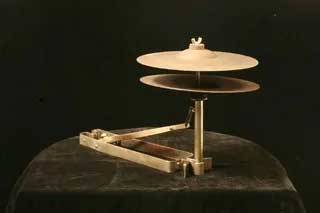
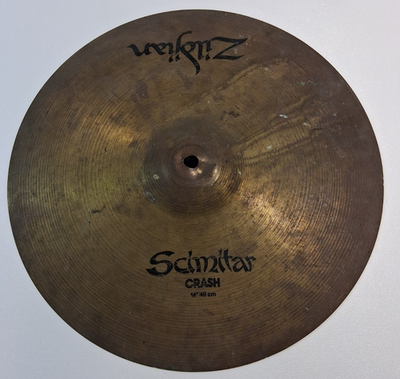
In the previous chapter, we discussed the low-boy—a low-profile kit with two cymbals near the floor. It provided a short foot-operated 'chick' sound but did not allow for full cymbal articulation with the hands. In the 1930s, this idea developed further. The low-boy grew taller. The high-hat appeared, which could now be played with sticks. This fundamentally changed drumming mindset. The high-hat was no longer just a foot-operated 'chick' at the bottom; it became a full voice of the kit. It allowed the player to maintain rhythmic pulse, open and close the cymbals, alter articulation, create motion, play accents, and interact with the snare and bass drum. This is where the kit took another step toward modernity. The drummer gained a higher, pulsating layer that could be controlled by both hand and foot. The foot was no longer merely «closing the hardware»; it participated in the groove. The hands found a new focal point. Music became more fluid. If the bass drum is the ground and the snare is the speech, then the high-hat in the 1930s became the breath of the kit.
The Bass Drum Steps Back from the Parade
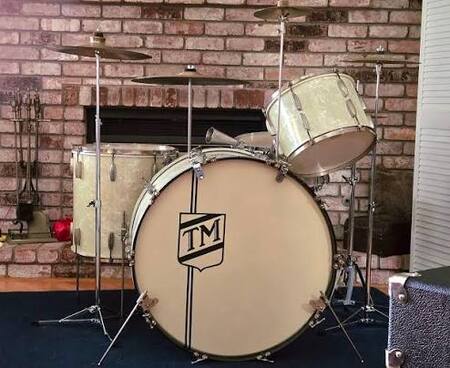
One of the most significant shifts of the 1930s was the changing role of the bass drum. In the early tradition, the bass drum maintained a direct, almost marching foundation—it was the heavy, grounding pulse. But in swing music, the demand is for a lighter, springier movement. If the bass drum hammers every beat too rigidly, the orchestra will march instead of sway. This is where a new idea emerges: time doesn’t have to be held solely by the bass drum. Gradually, the function of timekeeping moves upward—to the hi-hat, and then to the ride cymbal. The bass drum doesn’t disappear; it remains vital. But it ceases to be the sole master of the rhythm. The drummer learns to lighten the low end. The drum kit stops stomping and starts gliding on the balls of the feet. Yes, it sounds strange, but any swing drummer will understand.