ABOUT LIQUID DEATH
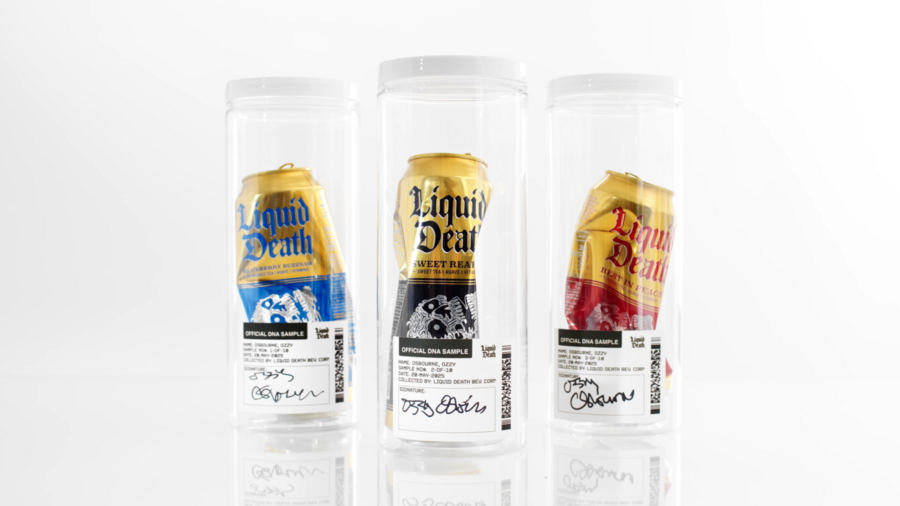
«Buy Ozzy Osbourne’s DNA From Liquid Death» (2025)
Liquid Death is an American beverage brand known for its punk-rock aesthetic and heavily ironic and aggressive marketing. Despite its «scary» branding and skull-adorned tallboy cans, the company sells harmless, natural mountain spring water, iced teas, and low-calorie sparkling energy drinks.
The brand presents itself as a healthier alternative packaged in infinitely recyclable aluminum cans while maintaining a deliberately unconventional identity.
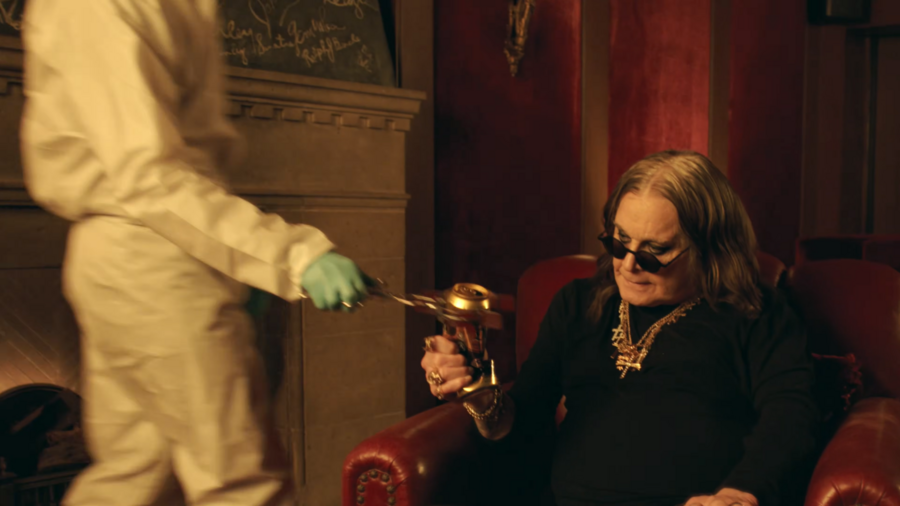
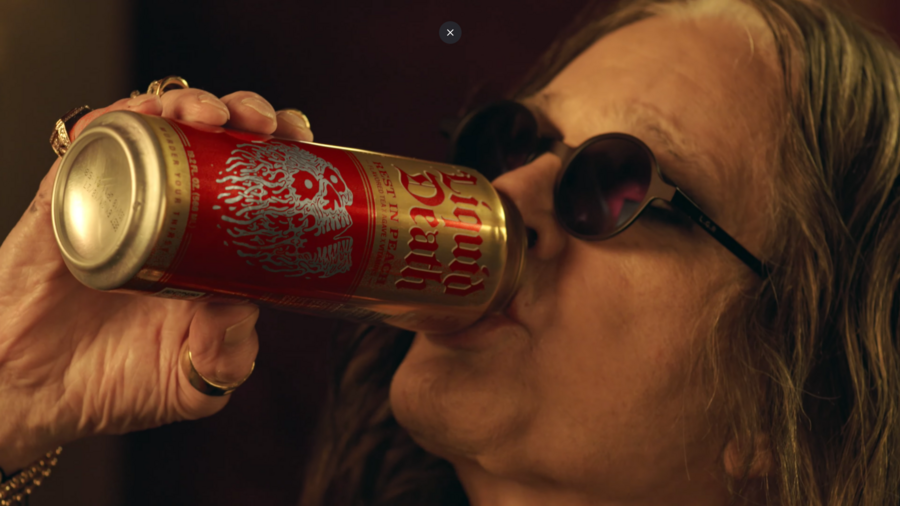
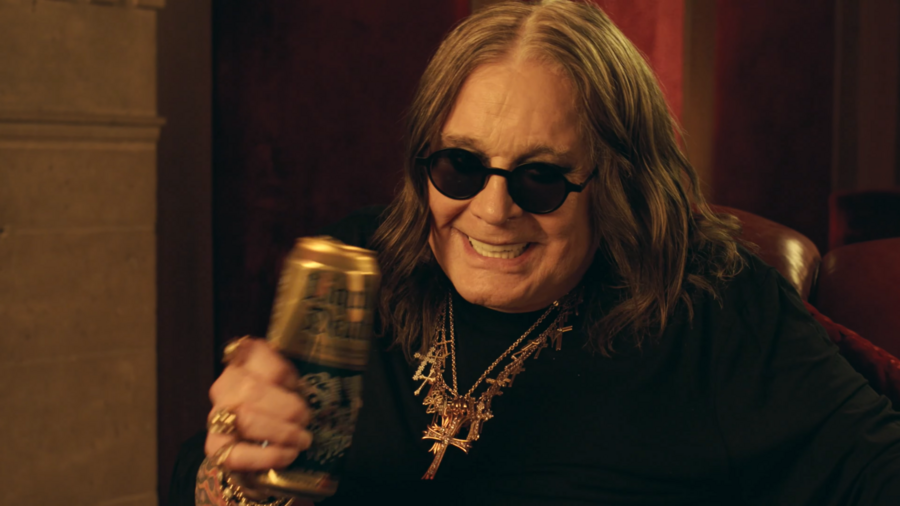
«Buy Ozzy Osbourne’s DNA From Liquid Death» (2025)
Founded in 2019, Liquid Death entered one of the most ordinary consumer categories imaginable — bottled water. Instead of emphasizing typical associations such as purity, nature, or wellness, the company adopted the visual language of heavy metal culture, extreme sports, and internet humor. This unusual positioning immediately differentiated the brand from competitors and helped transform a simple beverage into a recognizable cultural product.
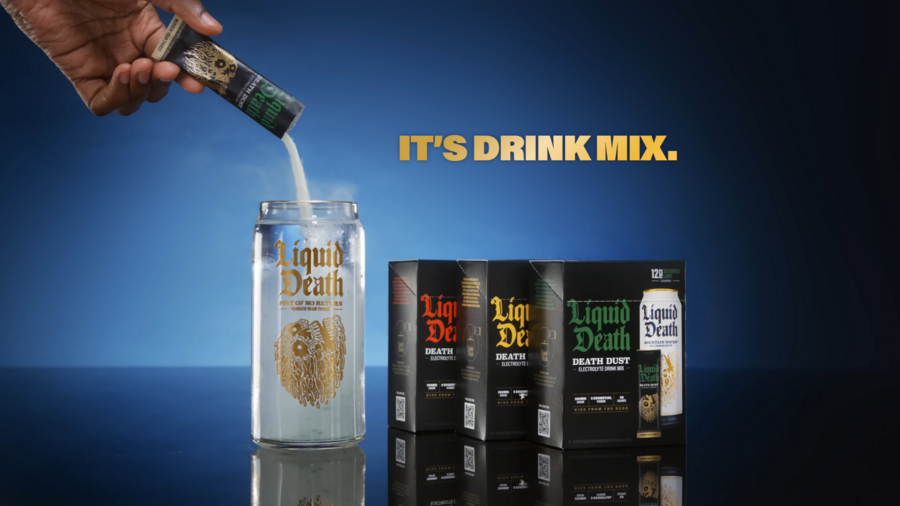
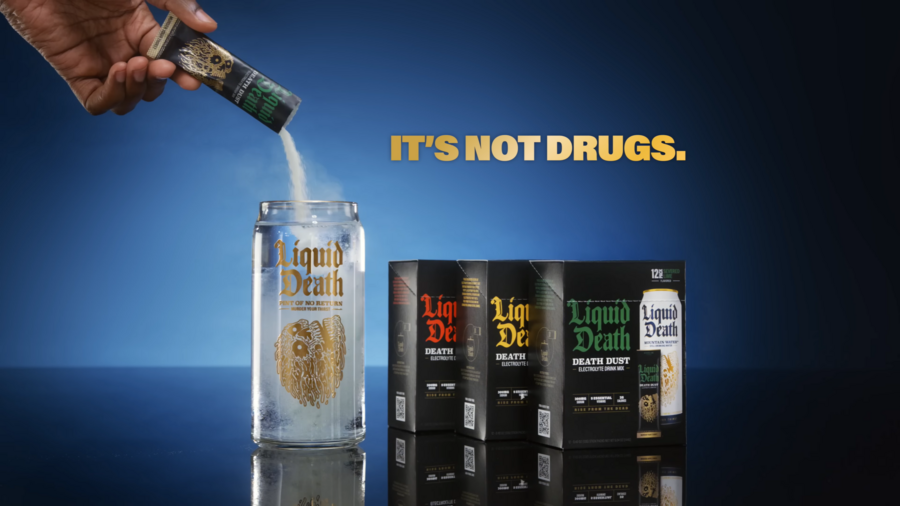
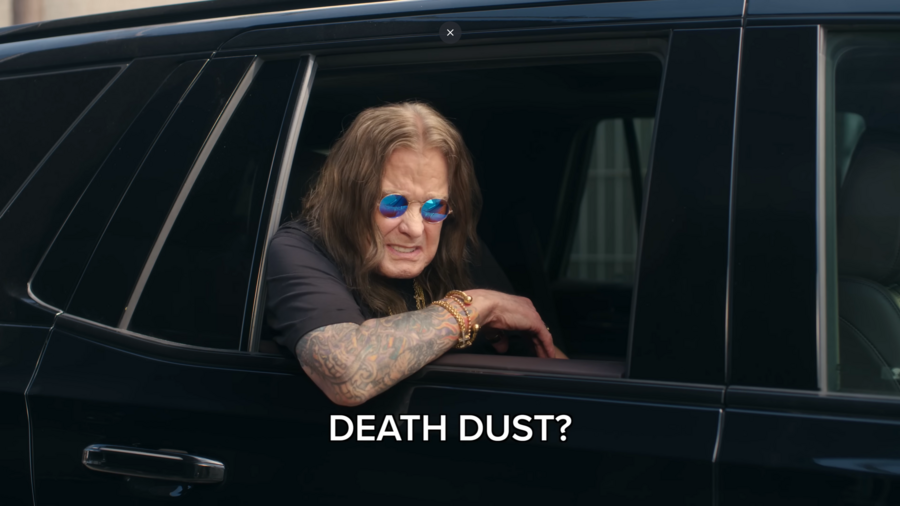
«Ozzy Osbourne Warns Kids Not To Snort Liquid Death» (2024)
FROM CANNED WATER INTO A LIFESTYLE
Источник: https://liquiddeath.com/en-fi
Liquid Death positions itself as a brand for consumers who want products to reflect identity rather than simply satisfy practical needs. Its communication combines health-conscious messaging with irony, entertainment, and anti-corporate aesthetics. As a result, its audience is largely composed of younger consumers who value humor, individuality, and cultural identity as much as product functionality.
WHY THIS CASE MATTERS?
Water is one of the most standardized consumer products in the world. Because functional differences between brands are often minimal, communication becomes especially important. Liquid Death demonstrates how strategic communication alone can reshape audience perception and create cultural value around an otherwise ordinary product.
COMMUNICATION SYSTEM
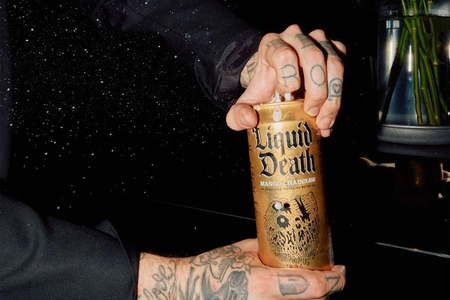
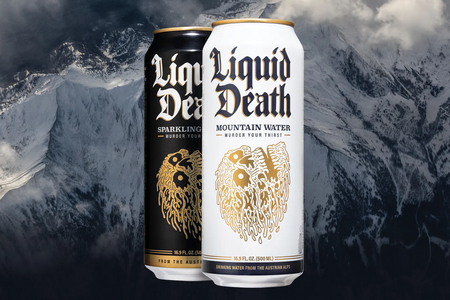
For Liquid Death, packaging functions as a communication medium rather than simple product protection. Most bottled water brands rely on visual associations with nature: mountains, rivers, freshness. Liquid Death deliberately rejects these conventions through aluminum cans, gothic typography, and skull imagery borrowed from heavy music and youth subcultures. Consumers therefore encounter a cultural identity before they encounter the product itself.
Besides Liquid Death communicates through multiple interconnected channels such as websites, social media, merchandise, campaigns, loyalty programs, and public relations activities. These kinds of channels reinforce one another and create a unified brand experience across different platforms.
The website serves as a central point where commercial, informational, and cultural aspects of the brand come together.
According to Dialogic Theory, successful communication depends on creating opportunities for meaningful interaction. Liquid Death supports this process through FAQs, assistance systems, store locators, newsletters, environmental initiatives, and community programs. These features encourage users not only to consume information but also to engage with the brand over time.
Источник: https://liquiddeath.com/en-fi
Social media platforms play a central role in maintaining the brand’s visibility and personality.
Instagram*, TikTok, YouTube, and other social online platforms allow Liquid Death to extend its identity beyond the product itself. Rather than focusing exclusively on beverages, the brand publishes humorous content or community-focused posts and collaborations with other companies or celebrities. As a result, social media functions as an ongoing entertainment channel rather than a traditional advertising platform.
* — Belongs to the Meta, whose activities are recognized as extremist and prohibited on the territory of the Russian Federation.
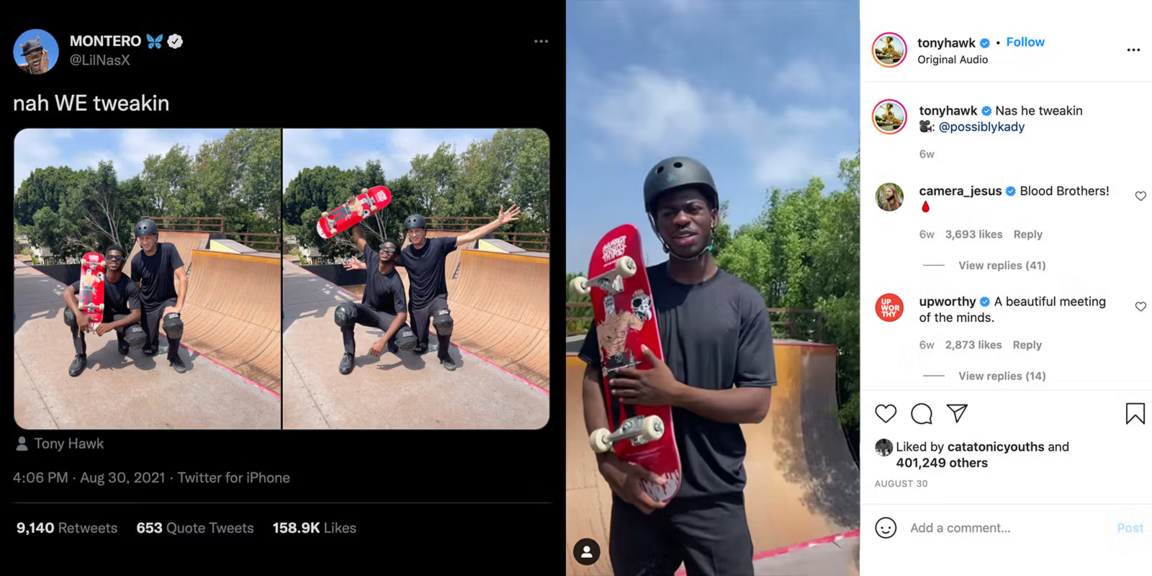


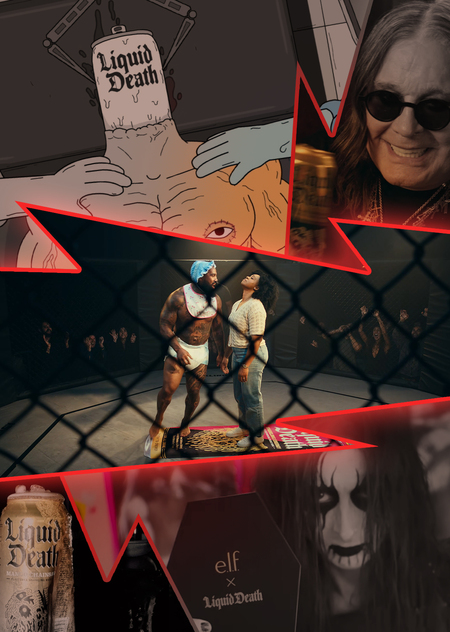
Liquid Death regularly partners with musicians, athletes, creators, and brands whose audiences extend far beyond the beverage category. Projects involving Tony Hawk, Ozzy Osbourne, Spotify, and e.l.f. Cosmetics transformed marketing campaigns into cultural events that attracted media coverage, online discussion, and widespread sharing.
These partnerships do more than increase visibility: they allow the company to move between different communities while maintaining a consistent personality and tone of voice. Audience involvement is further strengthened through initiatives such as Extreme Parenting, where consumers are invited to create and share their own content.
As a result, communication becomes a collaborative process in which people actively contribute to the brand’s visibility, humor, and cultural relevance.
VISUALS
The visual identity strongly borrows from heavy metal aesthetics. Gothic fonts and lettering, imagery of skulls and horror, dark color palettes, and other aggressive graphic elements create associations that are definitely never found in the bottled water category.
Semiotic Theory examines how meaning is created through symbols and cultural codes. This framework is particularly useful for understanding Liquid Death because the brand depends on visual language, naming, and associations rather than product innovation alone.
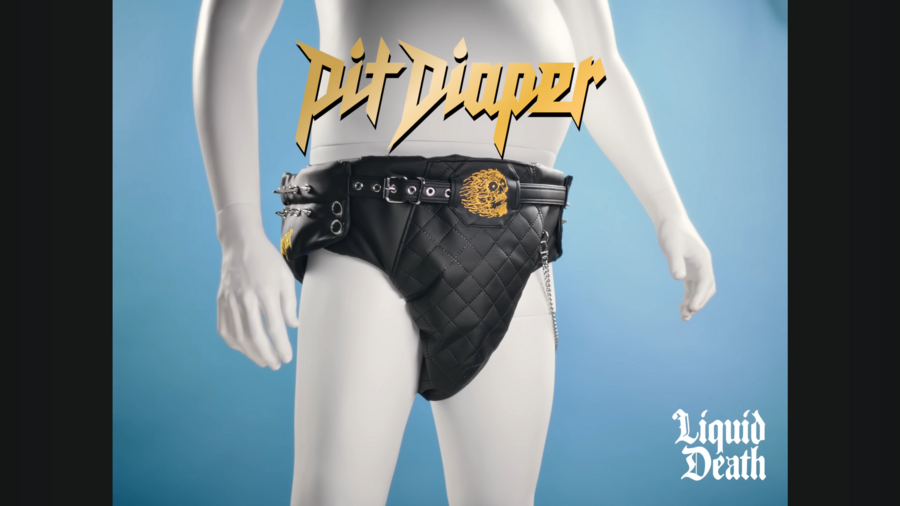


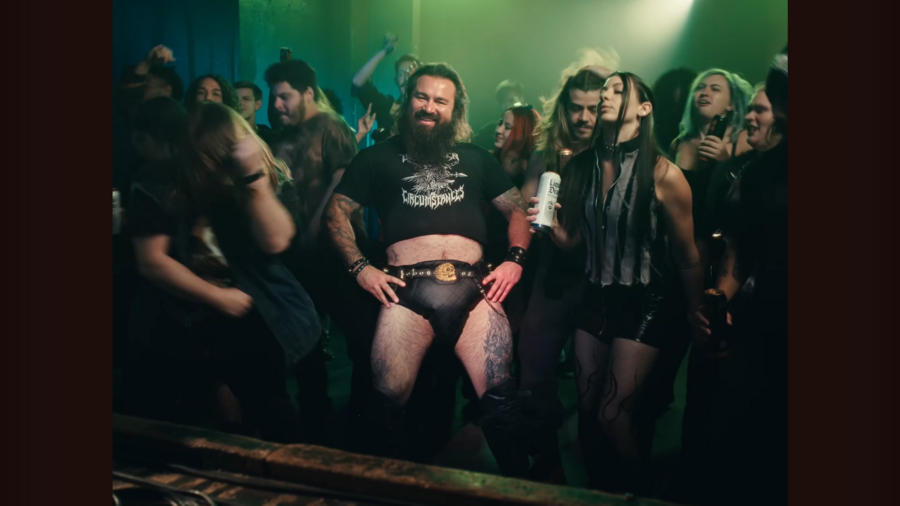
«Pit Diaper: The First Mosh Pit Diaper by Liquid Death x Depend» (2024)
One of Liquid Death’s most distinctive decisions is the use of tall aluminum cans instead of traditional plastic bottles. This kind of packaging usually associates with beer and energy drinks, so consumers often form their expectations long before reading the label. The can helps position water within nightlife social spaces such as concerts and festivals, where bottled water is rarely seen as something that may be unique. Instead of relying on familiar signals, the brand adopts an identity associated with alcohol and extreme youth culture.
This contrast encourages people to reconsider how water can be presented and consumed. By breaking stereotypes, the packaging becomes a tool for communication that helps the brand stand out from competitors on crowded shelves.
IRONY AND SELF-PARODY
Besides, Liquid Death extends its identity through language as much as through visual design. Product names such as Killer Cola, Sweet Reaper, and Doctor Death combine references to danger with humor and overstatement.
The naming strategy also reflects the other personality traits of the company. Rather than describing flavor, ingredients, or benefits for health, product names contribute to storytelling and entertainment. Consumers are invited to engage with a fictional world built around absurdity and parody, making even simple purchasing decisions feel connected to a larger brand narrative.
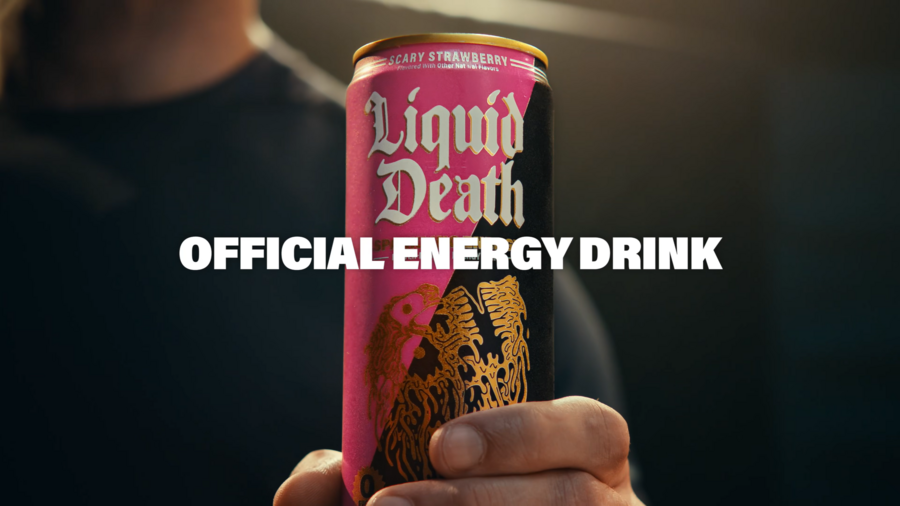
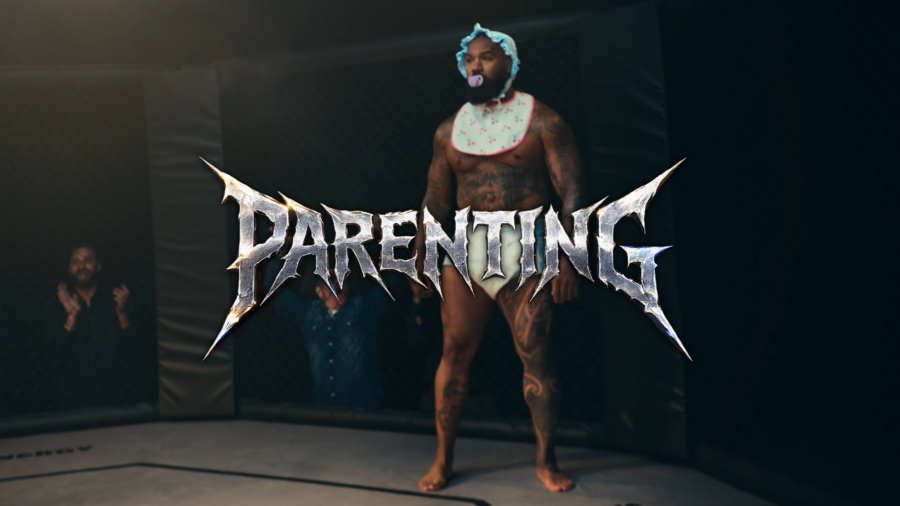
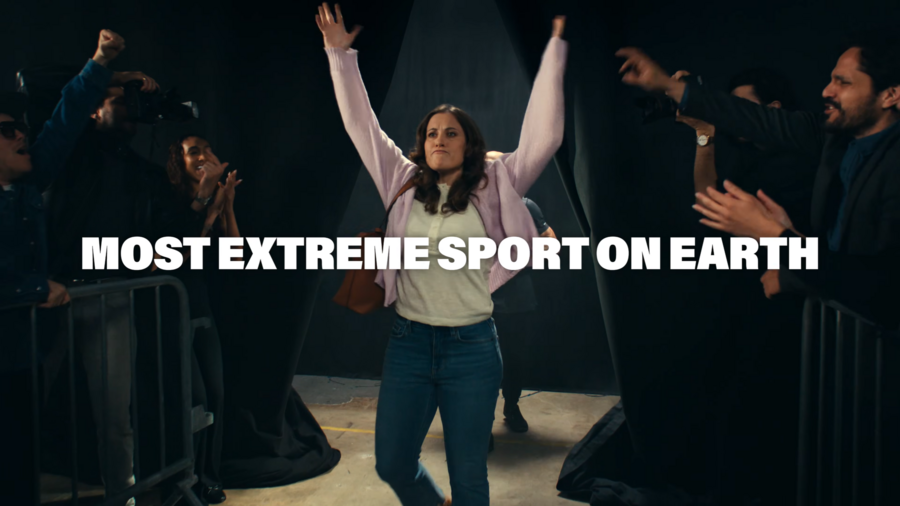
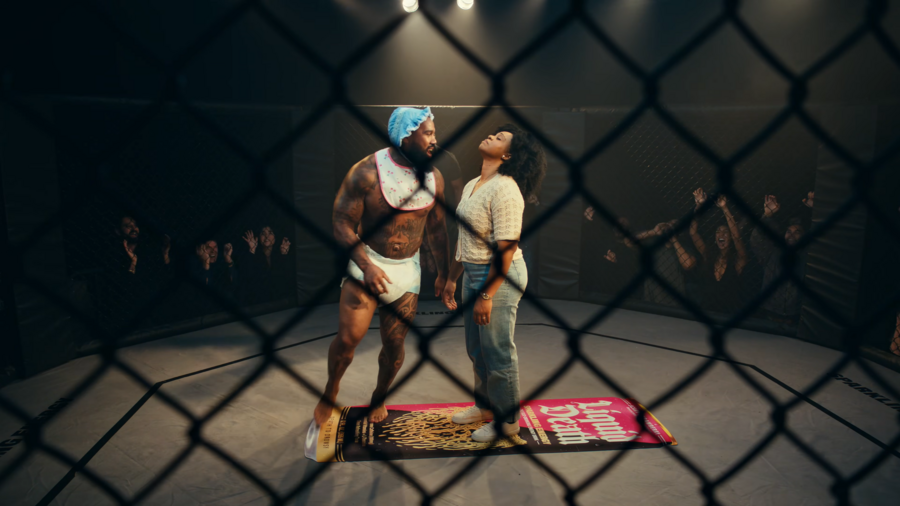
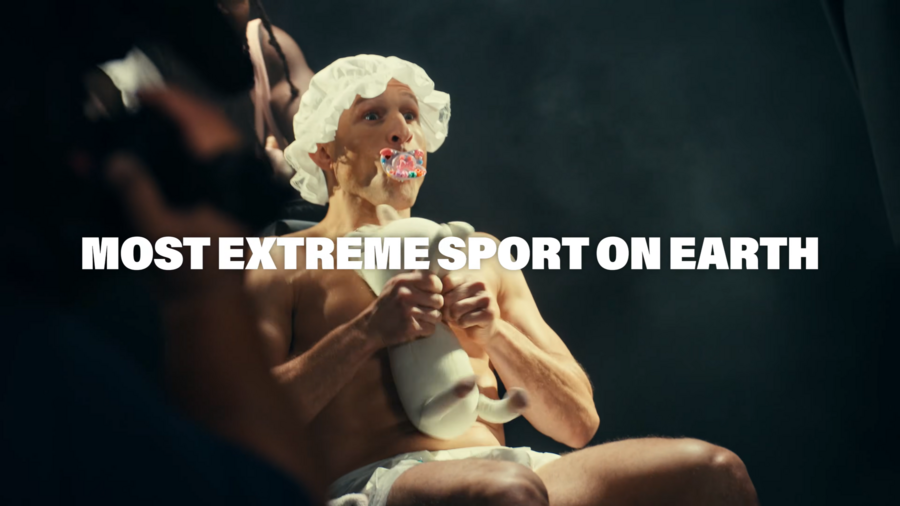
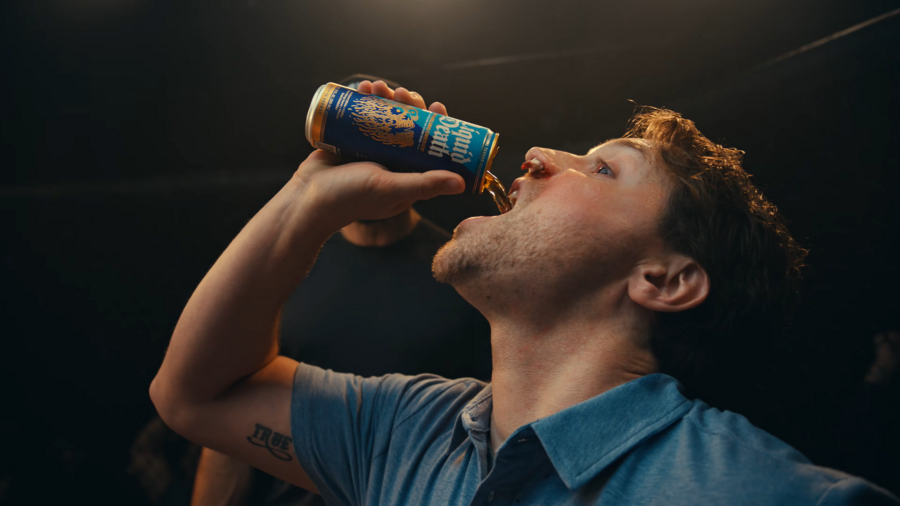
«Parenting: The Most Extreme Sport in the World» (2026)