STRUCTURE
3-11 INTRODUCTION — Brand Positioning — Target Audience
12-18 COMMUNICATION CHANNELS & PR STRATEGIES — Digital Platforms — Physical Touchpoints — Four key pillars of PR strategy
19-20 THEORETICAL FRAMEWORK
21-30 ANALYSIS — Fulfilling Cognitive Needs (Information & Reliability) — Fulfilling Personal Identity Needs (Innovation & Technology) — Fulfilling Affective Needs (Culture & Aesthetics)
31-36 CONCLUSION & RECOMMENDATIONS — Conclusion — Recommendations
37 BIBLIOGRAPHY
38 IMAGE SOURCES
INTRODUCTION

Moscow Transport website welcoming banner
The Moscow Metro is the largest urban rail transport system in Russia and one of the most heavily utilized transit networks globally. Operating since 1935, it transcends it is functioning as a vital component of the city’s socioeconomic life.
Brand Positioning
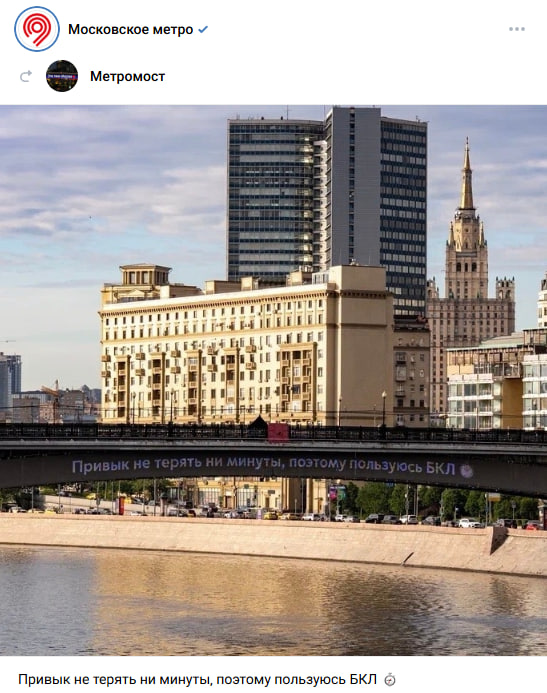
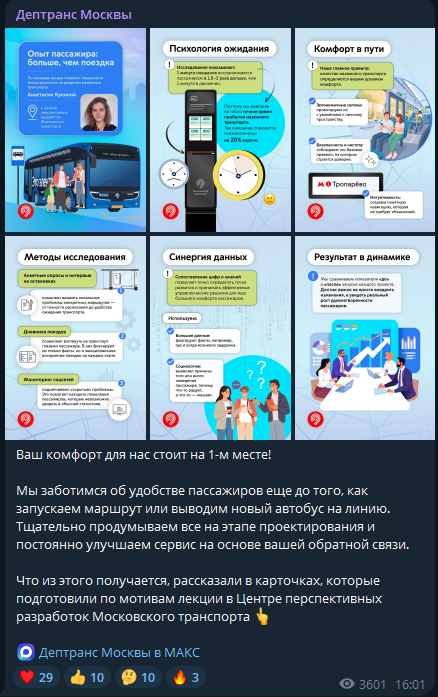
Official Moscow Metro VK Group // Official Moscow Metro Telegram Channel
The brand positions itself as a modern, reliable, safe, and innovative urban mobility ecosystem. Its core communication emphasizes passenger convenience, digital innovation, and the preservation of its historical heritage. Renowned for its architectural brilliance, the metro stands both as a utilitarian network and a global cultural landmark.
Target Audience
The primary demographic is highly diverse, encompassing daily commuters (professionals and students), local residents, tourists, tech-savvy youth, and individuals with limited mobility.
COMMUNICATION CHANNELS & PR STRATEGIES
The Moscow Metro employs a comprehensive, omnichannel approach to engage its vast audience:
Digital Platforms
The brand maintains a robust, interactive presence across its official website, Telegram channels (e.g., «Deptrans Moscow»), VKontakte (VK), YouTube, and its specialized «Moscow Metro» mobile application.
Physical Touchpoints
This digital presence is complemented by an extensive offline network of interactive screens, audio announcements, posters, and thematic trains.
Four key pillars of PR strategy
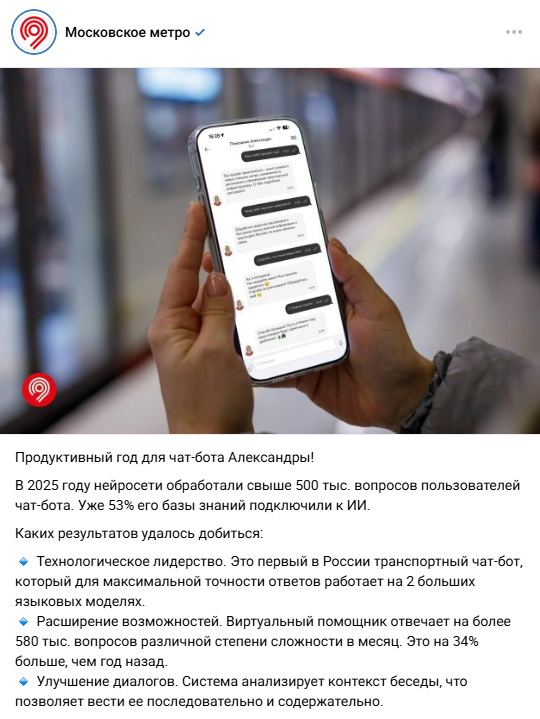
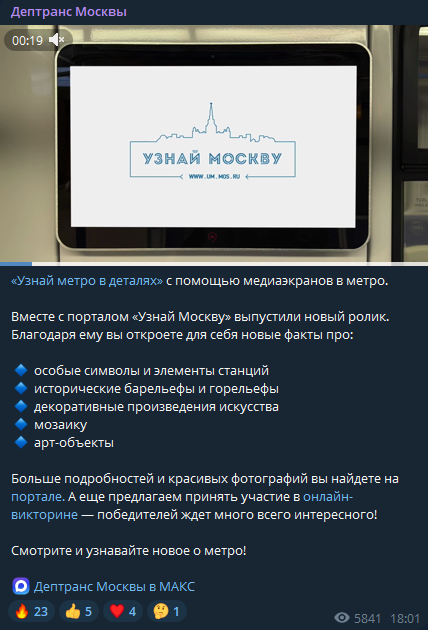
Official VK Community of Moscow Metro // Official Moscow Metro Telegram Channel
Passenger Information: Proactive, real-time updates regarding maintenance and route modifications to maintain transparency and public trust.
Promotion of Innovation: Highlighting digital services (e.g., biometric payments, MaaS integration) to reinforce a forward-thinking brand image.
Cultural Branding: Leveraging its architectural heritage through historical campaigns, thematic trains, and participation in city-wide cultural events.
Reputation Building: Consistently emphasizing safety, reliability, and network expansion on a global scale.
THEORETICAL FRAMEWORK
To critically evaluate this communication strategy, we apply the Uses and Gratifications Theory (Blumler & Katz, 1974). This framework posits that audiences are not passive consumers, but actively select media to fulfill specific personal needs. Given the metro’s multifaceted positioning, we will examine how its communication fulfills three primary gratifications:
Cognitive Needs: The requirement for timely, practical, and navigational information.
Personal Identity & Social Integrative Needs: The desire to associate oneself with a progressive metropolis and utilize cutting-edge urban services.
Affective Needs: The pursuit of aesthetic pleasure, entertainment, and cultural enrichment during daily routines.
ANALYSIS
Applying this theory to the Moscow Metro’s digital communication reveals a strategic fulfillment of core audience needs:
Fulfilling Cognitive Needs (Information & Reliability)
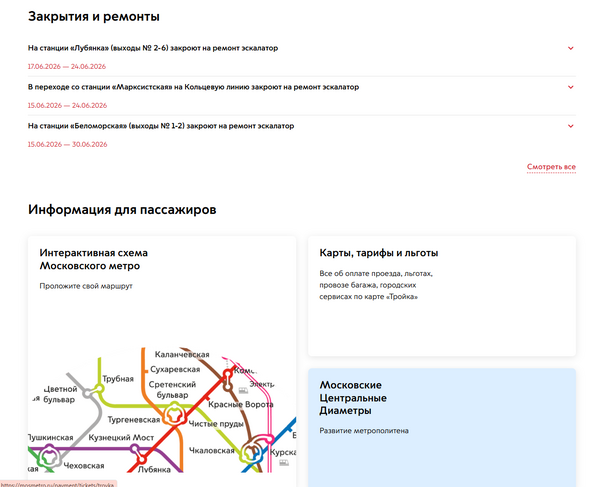
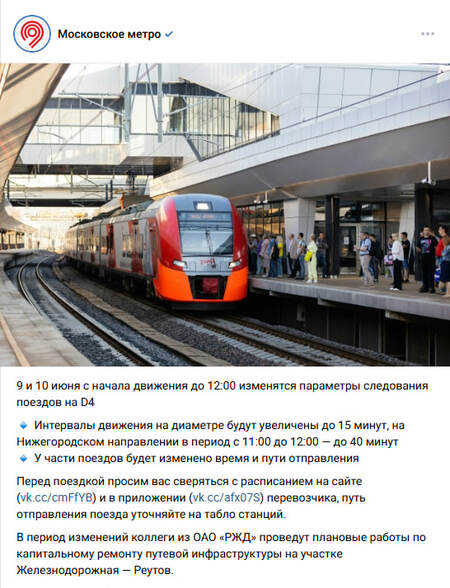
Official Moscow Metro Website // Official VK Community of Moscow Metro
This communication directly addresses commuters' need for predictability. By delivering clear, highly visual operational updates, the brand mitigates travel anxiety and reinforces its positioning as a reliable, passenger-centric system.
Fulfilling Personal Identity Needs (Innovation & Technology)
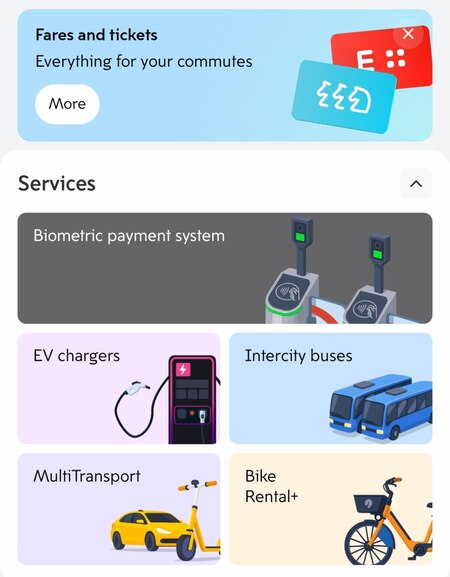
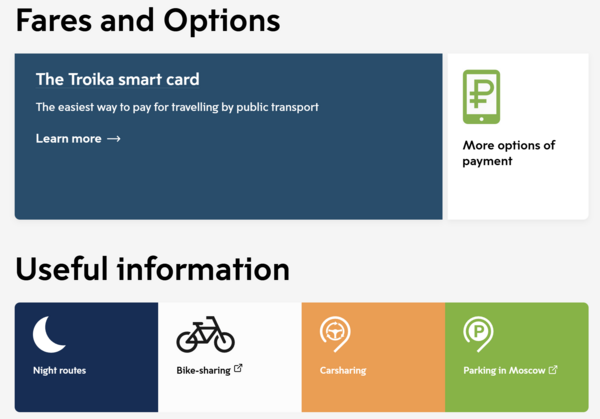
Moscow metro mobile app, 'services' tab: mobile app // WEB version
Highlighting digital touchpoints satisfies the tech-savvy audience’s desire to identify with a modern, fast-paced lifestyle. Integrating these tools makes passengers feel connected to an innovative urban environment, directly supporting the metro’s high-tech positioning.
Fulfilling Affective Needs (Culture & Aesthetics)
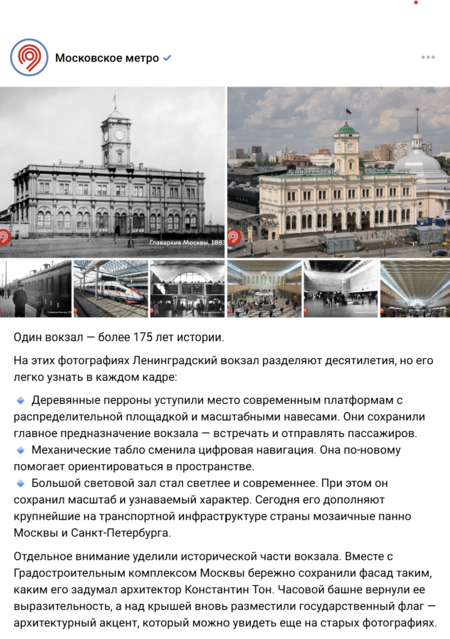
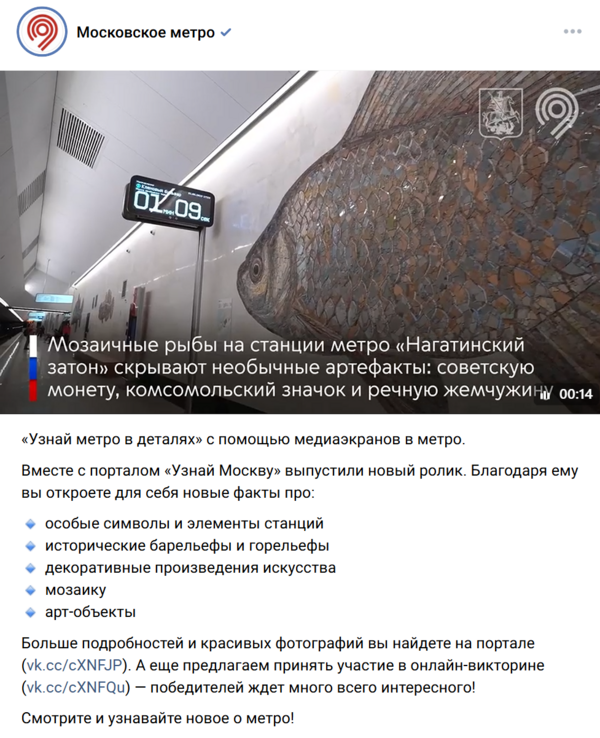
Official VK Community of Moscow Metro educates readers on historical content and new media experience availability