
Данный проект является учебной работой студента Школы дизайна или исследовательской работой преподавателя Школы дизайна. Данный проект не является коммерческим и служит образовательным целям
Проект принимает участие в конкурсе
big
Исходный размер 1920x228
big
Исходный размер 2178x1504

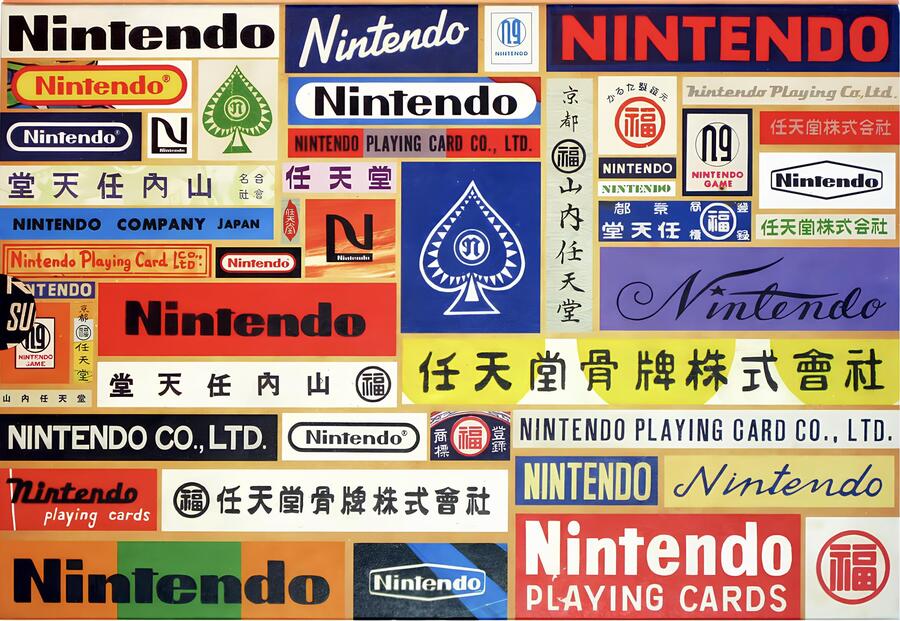
Nintendo company guide 2015 — cover sleeve

Nintendo is a Japanese entertainment company headquartered in Kyoto. It was founded in 1889 by Fusajiro Yamauchi as a manufacturer of hanafuda playing cards. One of the most important features of the brand is that its history did not begin with video games.

Over more than a century, Nintendo developed from a playing card and toy manufacturer into a producer of arcade machines, handheld devices, home consoles, games, applications and digital services. For this reason, its identity is built not only around technology, but around the broader idea of play as an accessible cultural and emotional experience.

On its official corporate website, Nintendo describes its mission as creating unique forms of entertainment that bring smiles to people around the world.

Nintendo began developing electronic entertainment products during the second half of the twentieth century. Donkey Kong, released as an arcade game in 1981, became one of the company’s first international successes. It also introduced a wider audience to Jumpman, the character who later became Mario.

In 1983, Nintendo released the Family Computer in Japan. Two years later, the Nintendo Entertainment System entered the North American market and became one of the major symbols of the recovery of the home console industry.

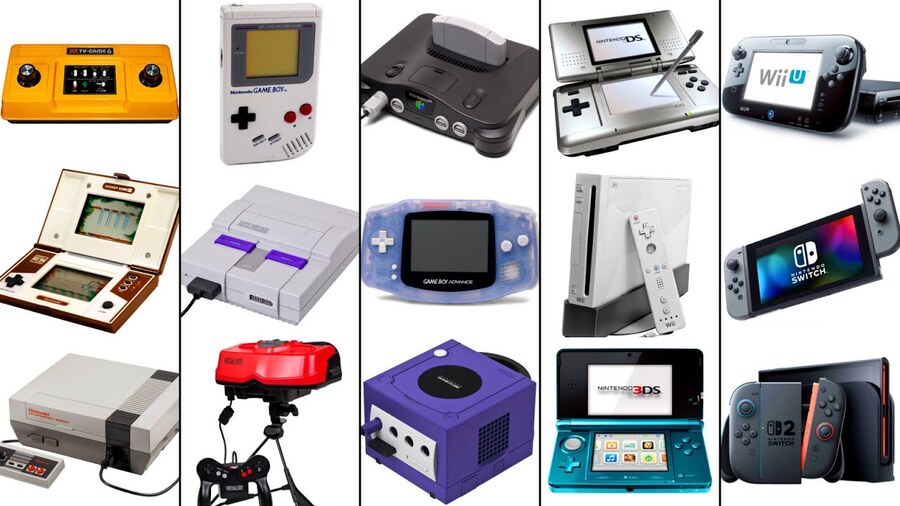
Nintendo later continued to develop both handheld and home gaming formats through the Game Boy, Nintendo DS, Wii, Nintendo Switch and Nintendo Switch 2.
big
Исходный размер 1280x720

Timeline Nintendo consoles list in order

Nintendo rarely competes only through processing power or graphic realism. Instead, the company normally introduces a new way of interacting with games.

Game Boy made gaming portable. Nintendo DS introduced two screens and touch controls. Wii used physical movement. Nintendo Switch combined handheld, tabletop and television-based play. Nintendo’s main projects are also not limited to devices. Super Mario, Donkey Kong, The Legend of Zelda, Metroid, Kirby, Animal Crossing, Pikmin and Splatoon function as long-lasting fictional worlds.

They continue through games, films, merchandise, applications, concerts, official stores and theme parks. Nintendo can therefore be understood as a creator of entertainment ecosystems rather than only as a console manufacturer.

Исходный размер 1920x1080
Исходный размер 1920x228

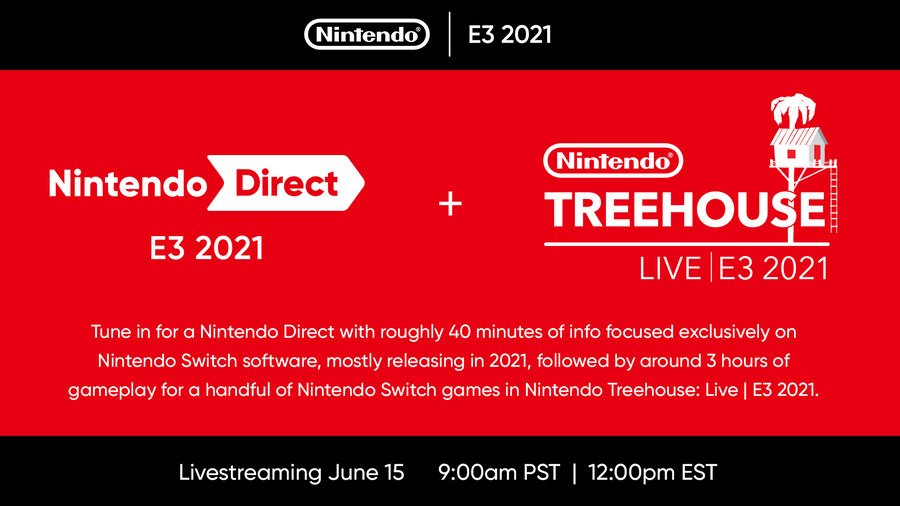
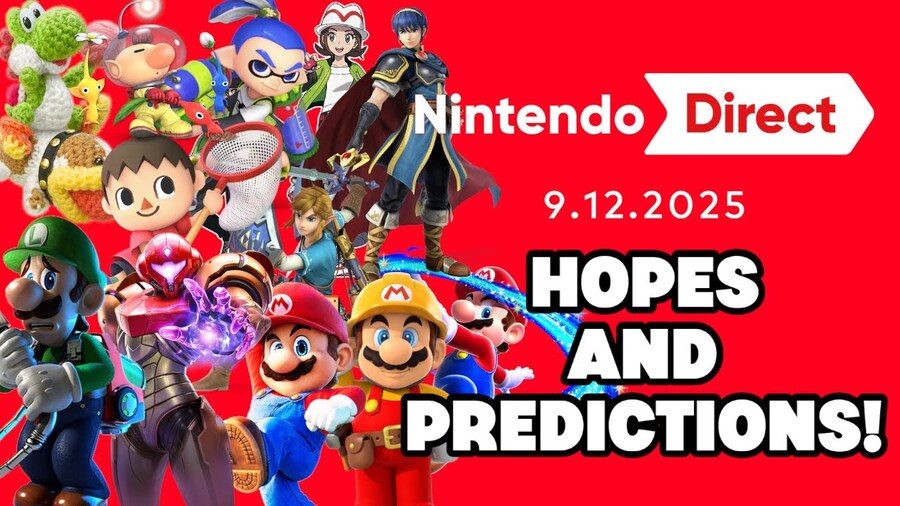
Nintendo’s communication strategy is largely based on direct contact with its audience through channels controlled by the company. The most recognisable example is Nintendo Direct, a series of video presentations used to introduce games, updates, services and consoles. Nintendo Direct allows the company to communicate major announcements without depending entirely on journalists, gaming exhibitions or traditional media.

A presentation may cover several upcoming products, focus on one game or introduce projects produced by partner studios. This gives Nintendo control over the timing, sequence and visual presentation of its message. Trailers, gameplay, developers and release information are organised into one carefully structured media event.

Nintendo’s communication strategy is based on direct contact with its audience through channels controlled by the company. The most important example is Nintendo Direct, a series of video presentations used to announce games, consoles, services and updates without relying entirely on journalists or gaming exhibitions. By combining trailers, gameplay footage, developer appearances and release information in one structured event, Nintendo controls the timing and presentation of its message.

Nintendo Direct also functions as a community event. Fans discuss rumours and expectations before each presentation, watch announcements together and later create reactions, reviews and analytical content. This strategy is supported by

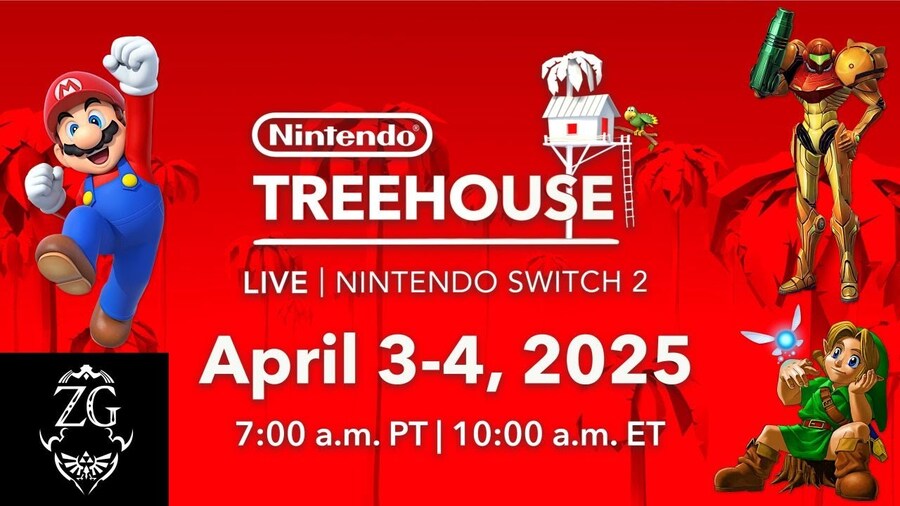
Nintendo Treehouse: Live, which provides longer gameplay demonstrations and detailed explanations of controls and mechanics. While Nintendo Direct generates attention and shapes the official narrative, Treehouse helps highly involved audiences evaluate products in greater depth.
0

Direct announces; Treehouse demonstrates.

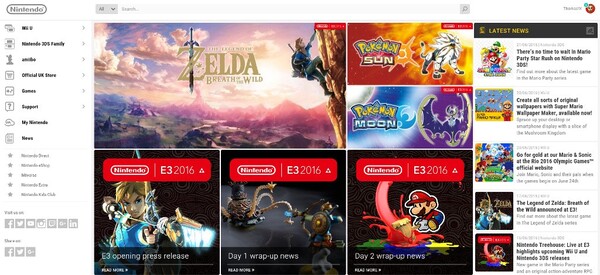
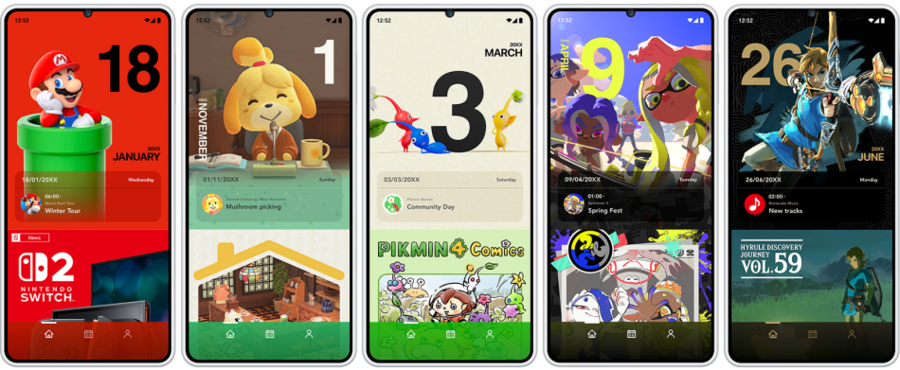
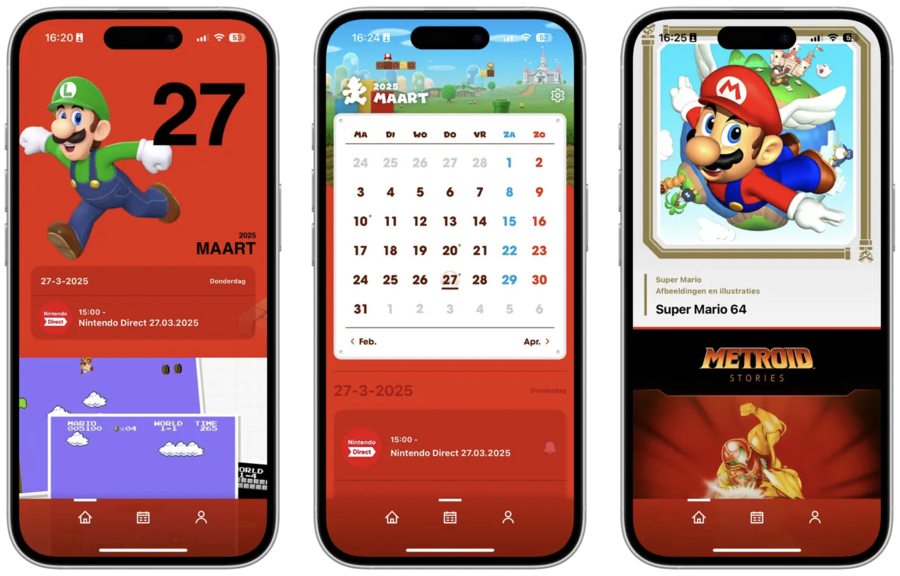
Another important communication level is Nintendo’s digital infrastructure. It includes regional websites, Nintendo eShop, Nintendo Music, My Nintendo, email newsletters, mobile applications and customer support.

These channels combine promotion, purchasing and service. A user can discover a game, watch a trailer, compare editions, purchase it, receive rewards, check compatibility and request technical assistance within the Nintendo ecosystem. Communication therefore continues after the initial purchase. The relationship is maintained through software updates, recommendations, subscriptions, loyalty systems and support.

Исходный размер 2000x1000

Nintendo Music extends audience engagement.
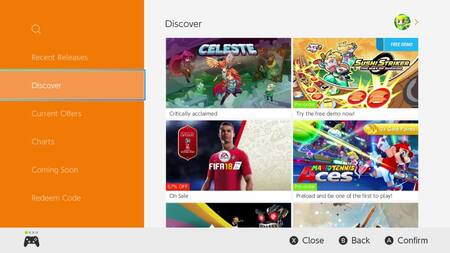
Nintendo eShop supports product discovery and purchase.

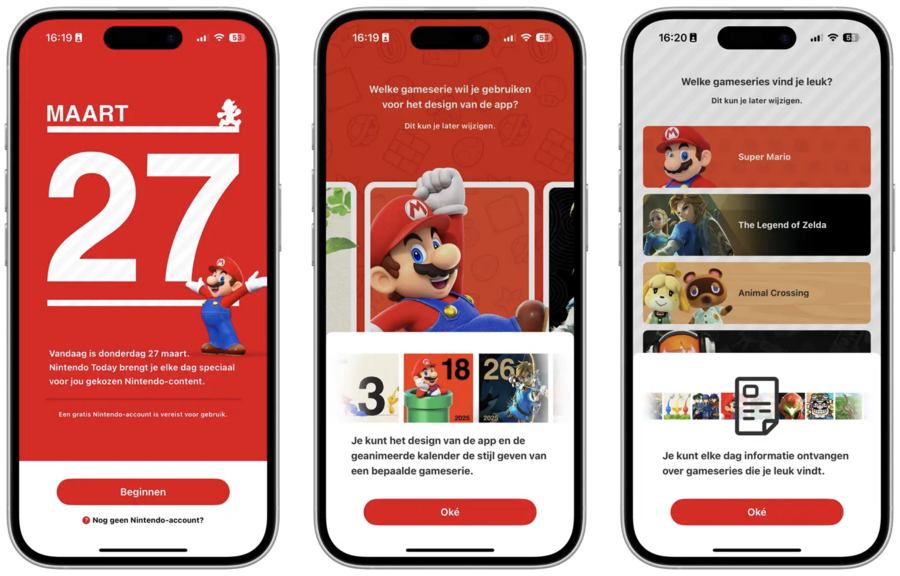
Another important communication level is Nintendo’s digital infrastructure. It includes regional websites, Nintendo eShop, Nintendo Account, My Nintendo, email newsletters, mobile applications and customer support.

These channels combine promotion, purchasing and service. A user can discover a game, watch a trailer, compare editions, purchase it, receive rewards, check compatibility and request technical assistance within the Nintendo ecosystem.

Communication therefore continues after the initial purchase. The relationship is maintained through software updates, recommendations, subscriptions, loyalty systems and support.
0

Nintendo Today! maintains daily contact.

Исходный размер 1920x436

The Elaboration Likelihood Model (ELM), developed by Richard Petty and John Cacioppo, explains how people process persuasive messages. The central route involves careful evaluation of arguments and product information. The peripheral route relies on cues such as familiar characters, colour, music, celebrities and emotion.

The same campaign can use both routes. Nintendo often combines factual information with familiar characters and emotional associations to make products both understandable and appealing.

Central route (Nintendo Switch 2)

Nintendo activates the central route when a purchase involves significant cost, risk or personal relevance. This applies to experienced players comparing consoles, parents evaluating safety and users deciding whether to upgrade from the original Nintendo Switch.

For these audiences, Nintendo provides product pages, extended gameplay demonstrations, compatibility information, parental-control materials and developer explanations. The consumer must consider whether new functions are useful, whether existing games remain compatible and whether the price is justified.

The success of this communication therefore depends on the strength and clarity of the arguments. Attractive imagery may create attention, but it cannot independently provide enough information for a high-involvement purchasing decision.

Исходный размер 498x281

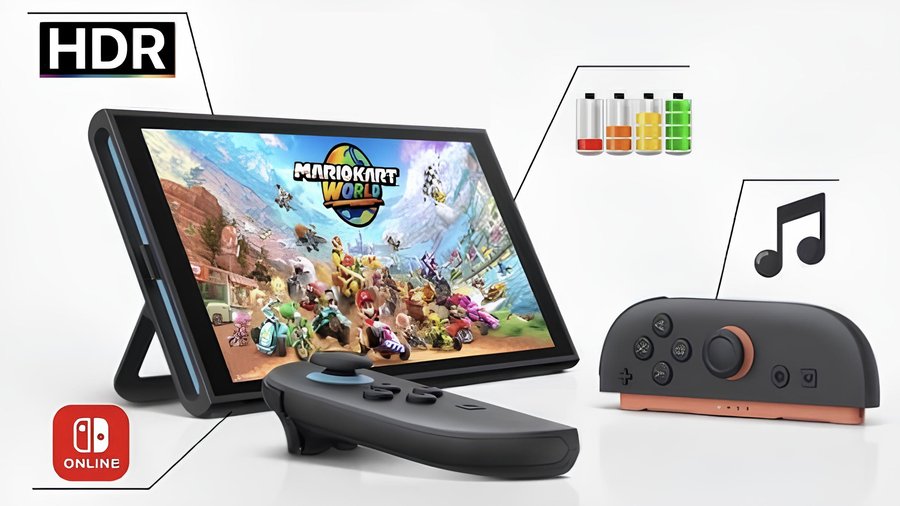
Nintendo Switch 2: a new generation.

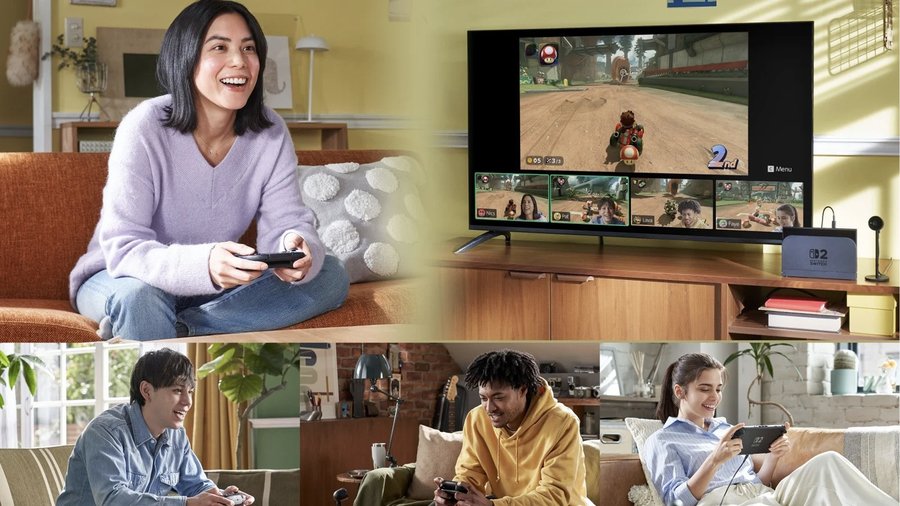
Nintendo Switch 2 provides a clear example of central-route persuasion. Nintendo highlighted the larger display, Joy-Con 2 controllers, mouse-style controls, stronger performance, backward compatibility and GameChat.

These features were presented through practical benefits. Backward compatibility reduces the risk of losing access to existing games, GameChat adds social value, and the larger screen improves portable play.

Consumers are encouraged to compare the new system with the original Nintendo Switch and evaluate whether these improvements justify an upgrade. This is central-route persuasion because the decision depends on concrete arguments.
0

Product features support rational evaluation.

Peripheral route (Nostalgia)

Исходный размер 2956x1660

Mario’s evolution activates nostalgia.

The peripheral route becomes more influential when consumers have limited motivation, limited attention or little interest in technical information. Nintendo activates this route through its recognisable corporate identity, familiar game imagery, music, humour, celebrity involvement and nostalgia.

A person may respond positively because the communication resembles an experience already associated with enjoyment or childhood. The familiar source creates trust before detailed product evaluation begins.

Peripheral cues are not necessarily meaningless. They help a message receive attention and communicate an emotional tone quickly. However, they do not independently demonstrate the practical quality of the product. Their main function is to make the audience interested and emotionally receptive.
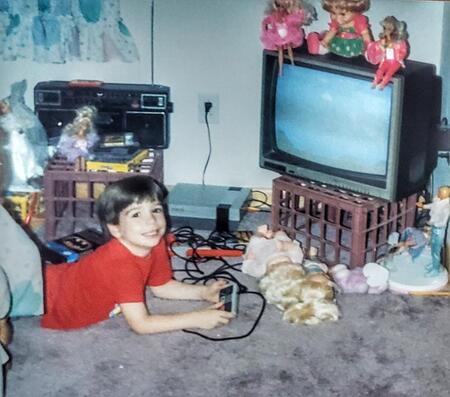
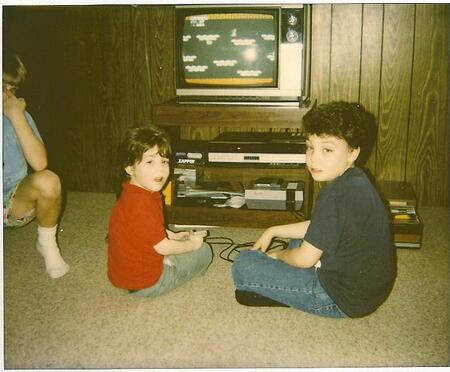
Nintendo as a childhood memory.

Nostalgia is one of Nintendo’s strongest peripheral mechanisms. Adults who played Nintendo games during childhood already have positive memories connected with the brand’s characters, music and visual style.

New products can reactivate these memories and make consumers feel that they are continuing a familiar experience rather than discovering something completely new.

A clear example is Nintendo’s use of Paul Rudd in both the 1991 Super Nintendo commercial and the 2025 Nintendo Switch 2 campaign. By recreating elements of the earlier advertisement, Nintendo connected a new console with the audience’s existing memories.

Nintendo advertisements also frequently show families and friends playing together at home or while travelling. For example, many Nintendo Switch commercials focus on shared experiences rather than technical specifications.

Исходный размер 1356x904

Paul Rudd in both the 1991 Super Nintendo commercial and the 2025 Nintendo Switch 2 campaign

As a result, the product becomes associated not only with gameplay, but also with friendship, relaxation and spending time together. This emotional setting can influence consumers who do not closely compare hardware features.

Central + peripheral (Super Nintendo World)

0

Super Nintendo World

Super Nintendo World combines central and peripheral processing. The environment produces immediate recognition through pipes, blocks, coins, music and familiar visual forms. These elements activate the peripheral route because visitors can respond emotionally without analysing a detailed argument.

The Power-Up Band creates a more active process. Visitors learn rules, complete challenges, collect digital coins and connect physical actions with an application.

The experience therefore provides evidence through participation. Nintendo does not only claim that its fictional worlds are engaging; visitors test this claim through their own behaviour. The park transforms familiar visual identity into an interactive system and allows emotional attraction to develop into a more deliberate experience.

The Power-Up Band

Исходный размер 1920x330

The dialogic theory of public relations, developed by Michael Kent and Maureen Taylor, evaluates communication as a continuing relationship rather than a one-way distribution of information.

The theory identifies five principles. Mutuality means recognising the audience as a legitimate participant. Propinquity refers to regular and timely contact. Empathy means recognising different audience needs and circumstances. Risk involves accepting criticism and unpredictable responses. Commitment means investing in a relationship over time.

The existence of websites, social-media accounts or support services does not automatically create dialogue. The central question is whether the audience can influence the organisation’s communication and whether the organisation makes the effect of feedback visible.

0

Nintendo Live enables direct participation

Nintendo Live 2025 Tokyo is a strong example of communication with the company’s domestic audience.

Propinquity is created through direct contact: visitors play games, attend tournaments and interact with Nintendo in a shared physical space. Empathy is visible in family areas, beginner-friendly demonstrations and activities for people with different levels of experience.

The event also supports commitment, because Nintendo maintains relationships beyond a single purchase and gives audiences another way to participate in the brand’s community.

Mutuality is present only partially. Visitors can participate and respond to the experience, but Nintendo still chooses the games, rules and structure of the event.

Risk is the weakest dialogic principle at Nintendo Live. The event allows participation, but the interaction remains carefully organised and predictable. Visitors do not influence the event agenda, product decisions or official messages.

For this reason, Nintendo Live creates closeness without becoming a fully equal dialogue. Its strongest principles are propinquity, empathy and commitment, because the event offers direct contact, includes different audience groups and strengthens long-term loyalty.

However, mutuality remains limited and risk is tightly controlled. Nintendo Live can therefore be described as an example of managed dialogue: the audience actively participates in the experience, while Nintendo keeps control over the conditions and meaning of that participation.

Исходный размер 1920x330
0

Official PR materials

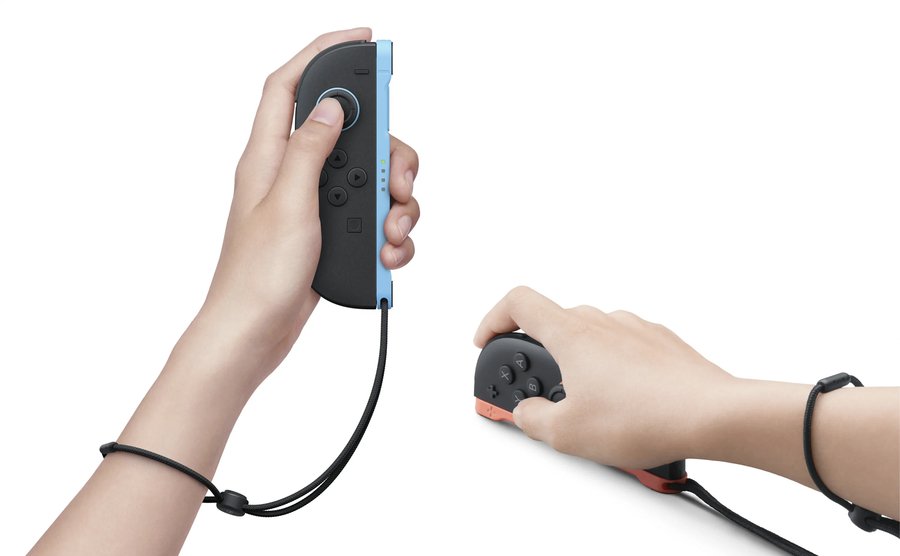
Nintendo presents its products as understandable and suitable for a broad audience. This promise can also be seen in the design of Nintendo Switch and its Joy-Con controllers.

Nintendo often communicates its consoles as devices that bring people together rather than products intended only for experienced players. The detachable Joy-Con controllers allow multiple people to play on the same system, making it easier for families and friends to participate without additional equipment.

Nintendo games also frequently introduce mechanics gradually and use visual demonstrations instead of long written instructions. These decisions help new players learn the controls and reduce barriers for people with different levels of gaming experience.

However, a family-friendly design does not automatically guarantee accessibility. Individual games still vary in the options they provide for players with different needs and abilities.

Исходный размер 480x270

1-2 Switch pre-party

Исходный размер 1920x330

Nintendo has created a controlled communication ecosystem connecting announcements, digital services, accounts, games and physical experiences.

The Elaboration Likelihood Model shows that Nintendo combines rational and emotional persuasion. Detailed product information, demonstrations and safety materials support evaluation through the central route, while familiar imagery, celebrity advertising and nostalgia create attraction through the peripheral route.

Dialogic Theory produces a more critical result. Nintendo maintains regular contact, demonstrates empathy and builds long-term relationships, but the audience has limited influence over the communication agenda.

Nintendo’s main strength is its ability to create lasting emotional attachment across generations. Its main weakness is the gap between the image of open and accessible play and the actual limitations of dialogue, accessibility and inclusion.

Nintendo should make the results of audience feedback more visible. A regular «You said — we changed» format could show how comments influenced product updates, safety systems or accessibility features.

Every Nintendo eShop game page should also include one standard accessibility section covering subtitles, text size, controls, camera movement, visual effects and assistance options.

Major Nintendo Direct broadcasts could be followed by moderated audience questions with developers. This would add a limited two-way stage without changing the main presentation format.

Finally, Nintendo should evaluate whether regional language, account and distribution rules create unnecessary barriers. These changes would preserve Nintendo’s consistent brand communication while making it more transparent, reciprocal and inclusive.

Библиография
Показать полностью
1.

Petty, Richard E., and John T. Cacioppo. Communication and Persuasion: Central and Peripheral Routes to Attitude Change. New York: Springer-Verlag, 1986.

2.

Kent, Michael L., and Maureen Taylor. «Toward a Dialogic Theory of Public Relations.» Public Relations Review 28.1 (2002): 21–37.

3.

Nintendo Co., Ltd. «Company History.» https://www.nintendo.co.jp/corporate/en/history/index.html

4.

Nintendo Co., Ltd. «Management Policy: Message from the President.» https://www.nintendo.co.jp/ir/en/management/message.html

5.

Nintendo. «Nintendo Direct Archive.» https://www.nintendo.com/us/nintendo-direct/archive/

6.

Nintendo Co., Ltd. «Nintendo Today! Smart-Device App Announcement.» 2025. https://www.nintendo.co.jp/corporate/release/en/2025/250327.html

7.

Nintendo. «Nintendo Switch 2: Features.» https://www.nintendo.com/us/gaming-systems/switch-2/features/

8.

Nintendo. «Nintendo Switch 2: Accessibility.» https://www.nintendo.com/us/gaming-systems/switch-2/accessibility/

9.

Nintendo. «Nintendo Live 2025 Tokyo.» https://www.nintendo.com/jp/live/index.html

10.

Nintendo. «Mario Kart World Invitational 2025.» https://www.nintendo.com/jp/live/invitational/index.html

11.

Universal Studios Japan. «Super Nintendo World.» https://www.usj.co.jp/web/en/us/areas/super-nintendo-world

12.

Universal Studios Japan. «Power-Up Band Key Challenges.» https://www.usj.co.jp/web/en/us/attractions/power-up-band-key-challenges

13.

The Pokémon Company International. «The Official Pokémon Website.» https://www.pokemon.com/

14.

The Pokémon Company International. «Pokémon Trading Card Game.» https://tcg.pokemon.com/

15.

Niantic. «Pokémon GO.» https://pokemongolive.com/

Источники изображений
Показать полностью
1.

Before Mario. «Nintendo’s 2015 Company Guide Is a Visual Treat.» https://blog.beforemario.com/2015/05/nintendos-2015-company-guide-is-visual.html

2.

Nintendo Co., Ltd. «Company History.» Images used for the Nintendo console timeline. https://www.nintendo.co.jp/corporate/en/history/index.html

3.

The Pokémon Company International. «The Official Pokémon Website.» Images used in the Pokémon cross-media collage. https://www.pokemon.com/

4.

The Pokémon Company International. «Pokémon Video Games.» https://www.pokemon.com/us/pokemon-video-games/

5.

The Pokémon Company International. «Pokémon Trading Card Game.» https://tcg.pokemon.com/

6.

Pokémon Center. «Official Pokémon Merchandise.» https://www.pokemoncenter.com/

7.

Niantic. «Pokémon GO.» https://pokemongolive.com/

8.

Nintendo. «Nintendo Announces Its Activities for This Year’s All-Virtual E3.» Nintendo Direct and Nintendo Treehouse: Live image. https://www.nintendo.com/us/whatsnew/nintendo-announces-its-activities-for-this-years-all-virtual-e3/

9.10.

Nintendo. «Nintendo eShop.» Interface screenshots. https://www.nintendo.com/us/store/

11.

Nintendo Co., Ltd. «Nintendo Today! Smart-Device App Announcement.» https://www.nintendo.co.jp/corporate/release/en/2025/250327.html

12.

Nintendo. «Nintendo Switch 2: Features.» Product and hardware images. https://www.nintendo.com/us/gaming-systems/switch-2/features/

13.

Nintendo. «The History of Super Mario.» Images used to demonstrate the development of Mario’s visual design. https://mario.nintendo.com/history/

14.

Nintendo. «Super Nintendo Entertainment System — 1991 Commercial.» Frame used for the historical Paul Rudd advertisement. https://www.youtube.com/watch?v=pebtf4q96cE

15.

Nintendo. «Nintendo Switch 2 — Now You’re Playing Together.» Frame used for the 2025 Paul Rudd campaign. Official Nintendo YouTube channel.

16.

Universal Studios Japan. «Super Nintendo World.» Panoramic park image. https://www.usj.co.jp/web/en/us/areas/super-nintendo-world

17.

Universal Studios Japan. «Power-Up Band Key Challenges.» Power-Up Band and interactive activity images. https://www.usj.co.jp/web/en/us/attractions/power-up-band-key-challenges

18.

Nintendo. «Nintendo Live 2025 Tokyo.» Event, tournament and visitor photographs. https://www.nintendo.com/jp/live/index.html

19.

Nintendo. «Mario Kart World Invitational 2025.» International tournament photographs. https://www.nintendo.com/jp/live/invitational/index.html

20.

Nintendo. «Nintendo Switch 2: Accessibility.» Images of screen zoom, button mapping, colour settings, speech-to-text and text-to-speech. https://www.nintendo.com/us/gaming-systems/switch-2/accessibility/

21.

Nintendo. «Nintendo Switch Parental Controls.» Images related to family use and parental-control communication. https://www.nintendo.com/us/gaming-systems/switch/parental-controls/

22.

Nintendo. «Nintendo Museum.» Museum and corporate-history photographs. https://museum.nintendo.com/

23.

Nintendo. «My Nintendo.» Loyalty programme and account interface images. https://my.nintendo.com/

24.

Nintendo. «Nintendo Account.» Account-system interface images. https://accounts.nintendo.com/

25.

Original Pokémon cross-media composition. Collage created by the authors using official visual materials from The Pokémon Company, Pokémon Center, Niantic and Nintendo.

Мы используем файлы cookies для улучшения работы сайта НИУ ВШЭ и большего удобства его использования. Более подробную...
Показать больше