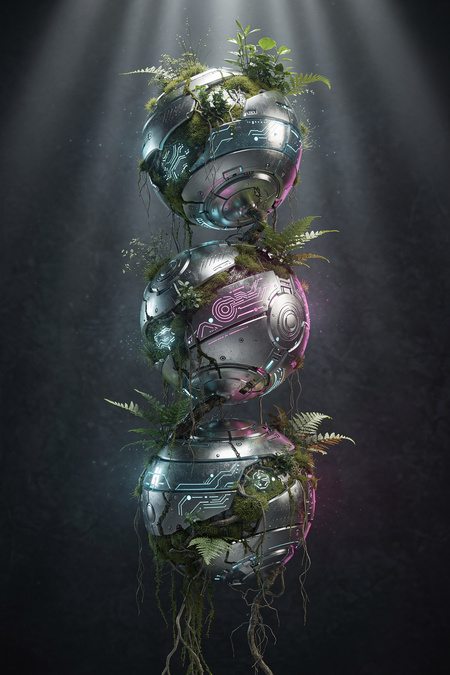

Concept
There is currently a rather acute conflict between nature and artificial intelligence. I was interested in presenting a world where the boundary between the organic and the artificial gradually disappears, and both systems begin to function as a single organism.
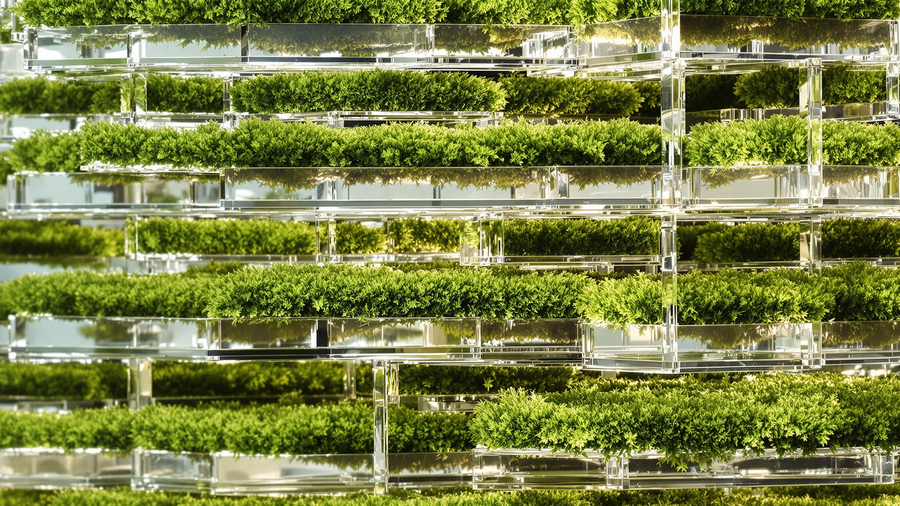
The source images were created using Nano Banana and Vizcom.
The project explores the synthesis of nature and technology through visual imagery. The core idea is to demonstrate how organic forms intertwine with technological elements.

Process
As an experiment, I decided to compile a dataset not from existing images, but to generate it myself using other generative models: Nano Banana and Vizcom.
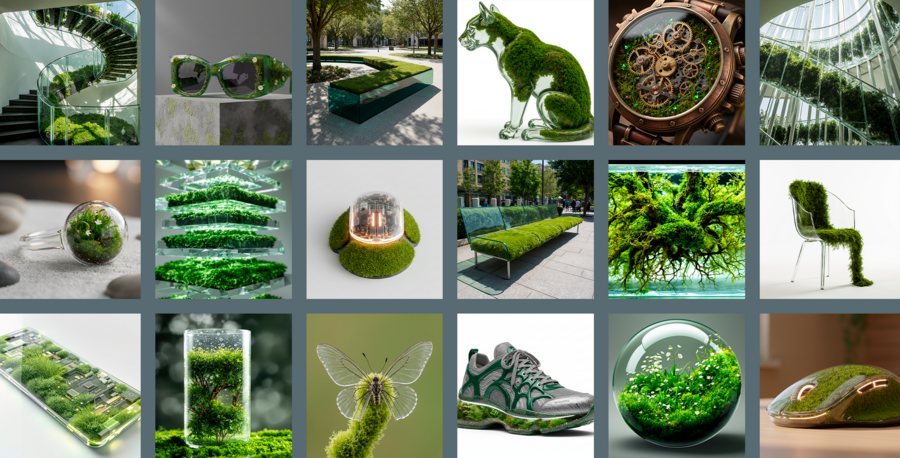
The initial dataset contained approximately 20 images.
This approach allowed me to establish the desired style in advance, instead of just randomly assembling images.
Result
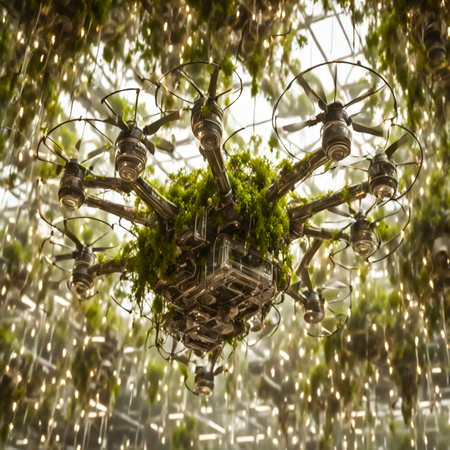
The result was a series of images unified by a shared aesthetic, yet diverse in their composition and subjects.

1 — Techno organic style TOK, biomechanical flowers, wires, circuits, organic textures, 2 — Techno organic style TOK, cybernetic tree, wires instead of branches, surreal nature
techno-organic, silver robot profile, neon green eyes, covered in moss and vines, mystical forest, fog, cinematic light, detailed
I focused on the details: the textures of metal, glass, and mechanisms, as well as the organic elements—moss, leaves, and branches—that are gradually overtaking these structures. This creates the feeling that technology doesn’t merely exist alongside nature, but evolves together with it. I placed a special emphasis on the atmosphere: soft light, fog, neon glow, and muted natural tones help establish a sense of something simultaneously futuristic and organic.
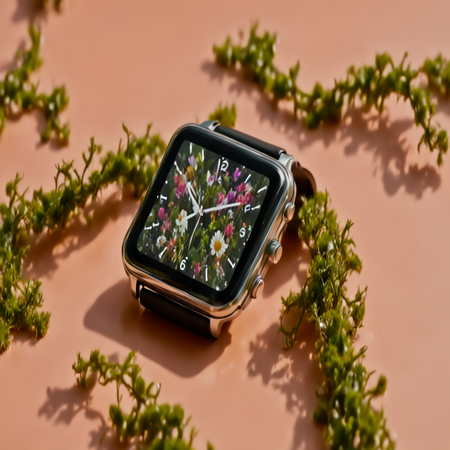

1 — techno-organic style TOK, futuristic watch entwined with roots, vertical poster, dramatic lighting, 2 — techno-organic style TOK, robotic plants, futuristic ecosystem
It’s interesting that even with relatively simple prompts, the neural network autonomously completes the scene based on its dataset—adding vegetation, lighting accents, and environmental details.
techno-organic, wall clock mechanism, gears covered in moss and plants, fully overgrown, fills the entire image, organic takeover, soft fog, cinematic light, high detail
The images differ in mood—some feature a cooler background with more mist, while others have a more approachable feel.
Description of Generative Model Application
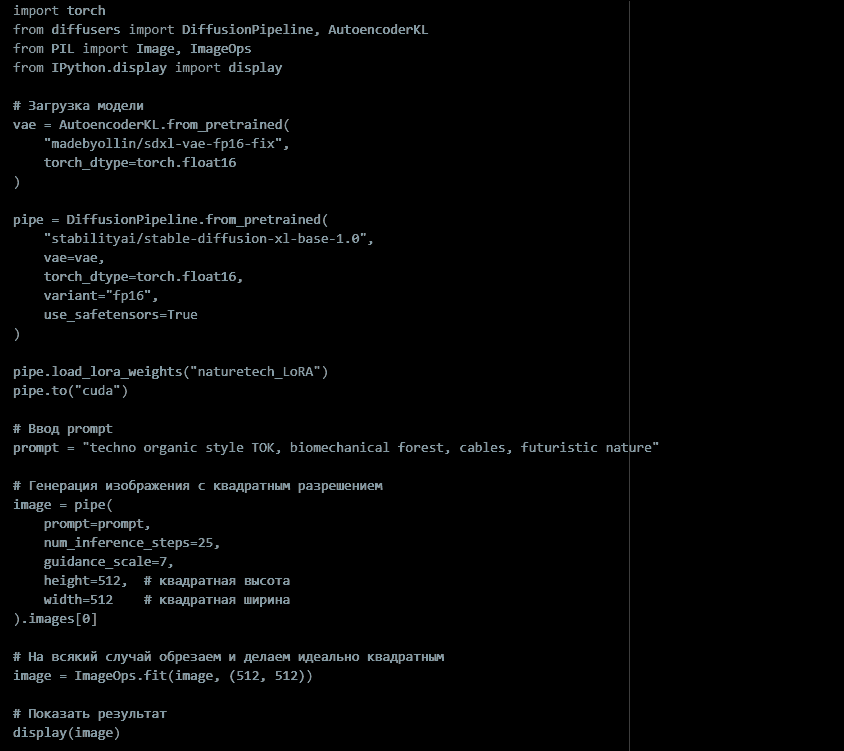
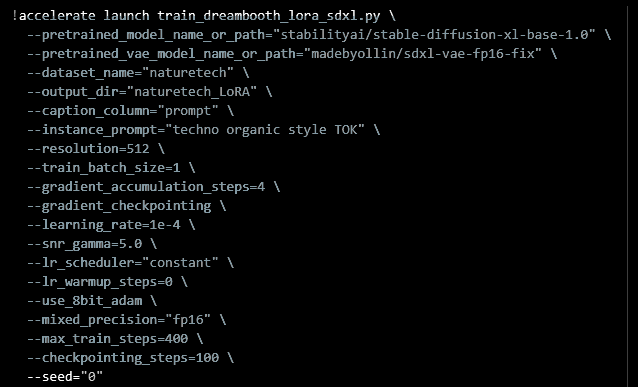
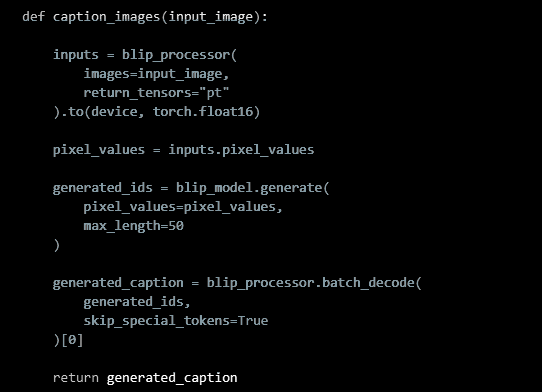
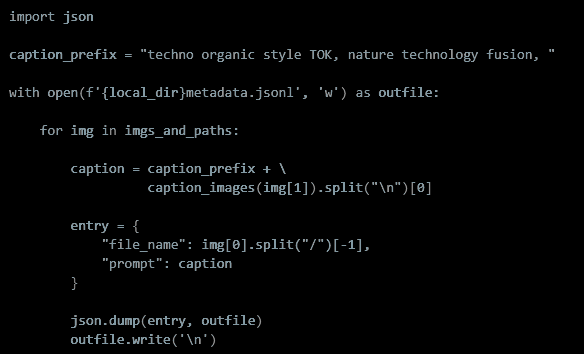
The project was implemented using a custom training pipeline for SDXL LoRA in Google Colab, combining DreamBooth adaptation methods to integrate the author’s signature style, «nature technology fusion.» During dataset preparation, the Nano Banana and Leonardo Ai suite was utilized to generate source materials, while Gemini assisted in structuring and drafting the project description. The technical process involved automatic preprocessing tagging via the BLIP model, leveraging the Diffusers library, and optimizing training with 8-bit Adam and mixed precision (fp16). The resulting model ensures detailed rendering of techno-organic elements and is stably activated by the trigger phrase «techno organic style TOK, ” allowing for the generation of complex biomechanical compositions without upscalers to preserve the authentic graphical grid.
Code Snippets