Topic 1. Slow Art: The Aesthetics of Slowing Down in Western Contemporary Art of the 20th–21st Centuries
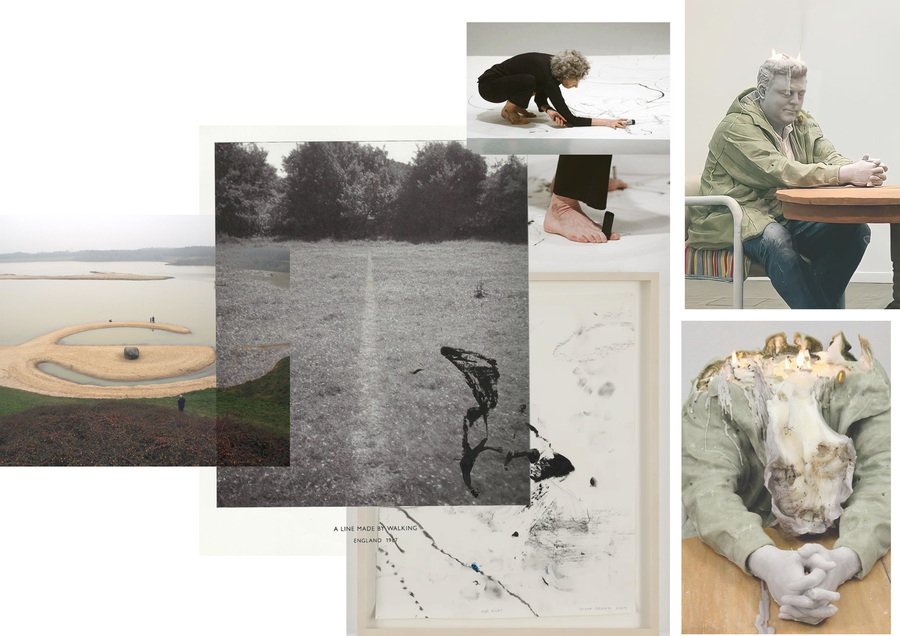
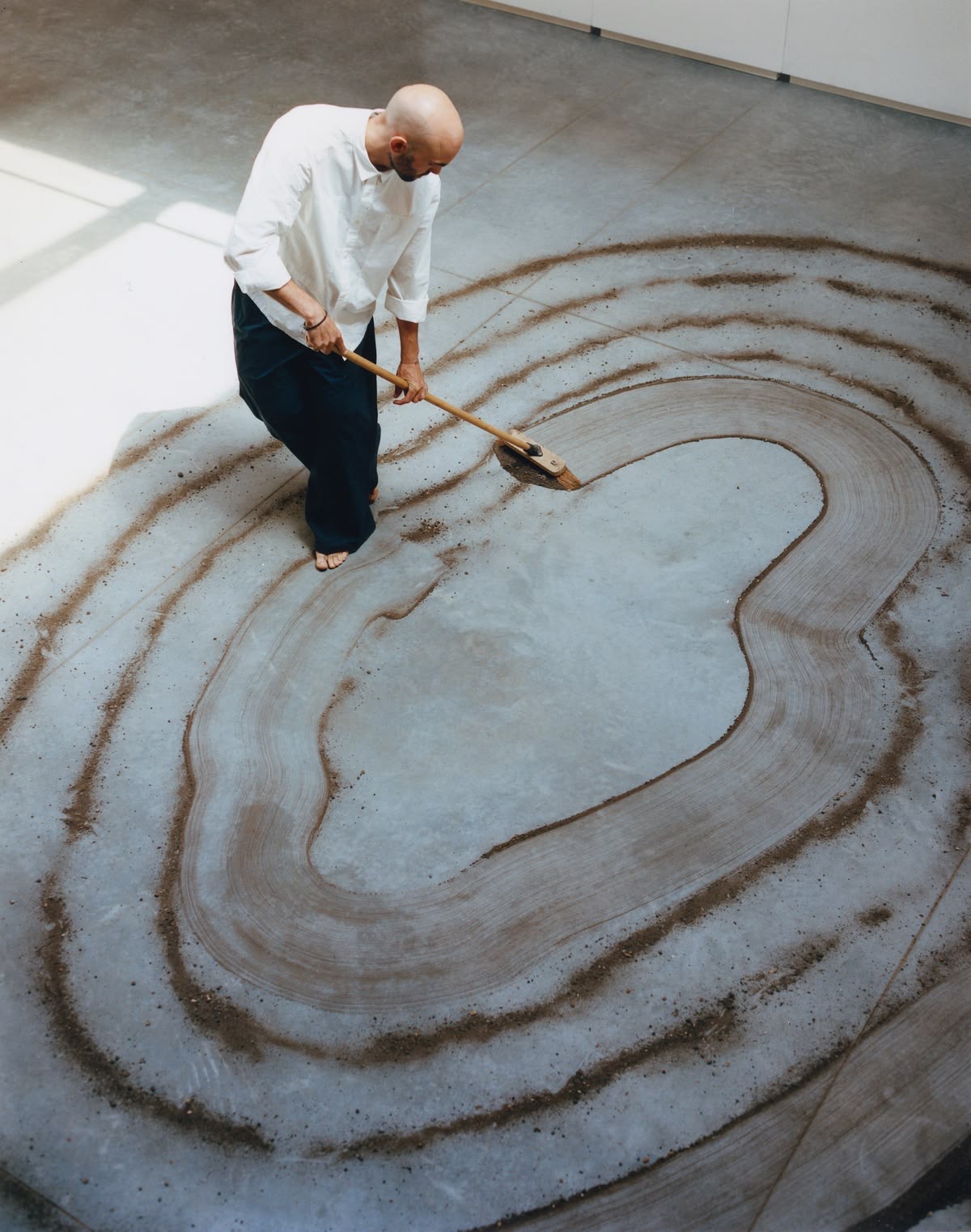
In today’s world, where visual culture evolves amidst constant acceleration and information overload, the theme of deceleration takes on particular significance. Slow Art—the aesthetics of slowing down—examines art as a means to step beyond conventional rapid perception and engage in a more conscious interaction with time, space, body, and matter.
The goal of this research is to investigate how artists in contemporary Western art utilize deceleration as an artistic technique and a means of engaging with the viewer. The study integrates five areas: meditative, contemplative, ephemeral, bodily art, and art of duration. Each of these explores a distinct aspect of deceleration—from internal states and attentive observation to physical presence, the disappearance of material objects, and the experience of time.
Through the analysis of artistic practices, visual imagery, and performative actions, this research seeks to reveal how art can alter the familiar rhythm of perception, restore value to the moment, and offer an alternative way of interacting with surrounding reality.
How do practices of slowing down in Western contemporary art transform the relationship between the viewer, time, the body, and the artwork?
Research Plan
- Meditative Art — time as internal concentration and a state of presence.— Meditation and artistic ritual. — Silence and the absence of visual overload. — Concentration and mindful presence.2. Contemplative Art — time as prolonged visual perception. — Slow Looking — the practice of slow observation. — Minimalism and visual stillness. — Light, color, and optical perception.3. Ephemeral Art — time as the disappearance, decay, and natural transformation of an object. — Ephemerality as an artistic principle. — Natural processes: melting, growth, wilting, erosion, and decomposition. — Destruction as part of the artwork.4. Embodied Art — time as physical experience, movement, breath, and endurance. — The body as an artistic medium. — Slow movement and bodily awareness. — Performance as an investigation of physical limits.5. Durational Art — time as the structure of an artwork, repetition, and anticipation. — Durational Performance — lengthy performance. — Everyday life and repetitive action. — Expectation and subjective perception of time. — Endurance and the temporal limitations of the human body.Conclusion
The relevance of this research is driven by the rapid acceleration of contemporary visual culture and the increasing need for mindful perception of art, time, the body, and natural processes through slowing artistic practices.
Topic 2 Wabi-Sabi Beyond Japan: The Aesthetics of Imperfection in Western Visual Culture from the Late 20th Century to the Present Day
Contemporary visual culture is witnessing a re-evaluation of traditional concepts of beauty, perfection, and completeness. Immaculate forms, symmetry, and artificially manufactured ideals are being supplanted by an interest in naturalness, imperfection, the marks of time, and material mutability. One source of this aesthetic re-evaluation is the Japanese philosophy of wabi-sabi—a worldview rooted in accepting impermanence, incompleteness, and natural simplicity. Towards the end of the 20th century, the concept of wabi-sabi began to actively enter Western cultural discourse, gradually acquiring new meanings and visual forms.
This study is dedicated to examining how Japanese aesthetics of imperfection are transforming within the context of Western art, design, and contemporary visual culture. Particular attention is paid to the interplay of natural materials, time, texture, decay, and organic forms, and how imperfection becomes an autonomous artistic statement.
The goal of this research is to trace the transition from the traditional Japanese understanding of imperfect beauty to its modern interpretations in Western culture, to identify common visual principles, and to determine how the aesthetics of wabi-sabi reinterprets contemporary notions of beauty.
Research Plan
Imperfection as a Natural Category: The Philosophy of Wabi-Sabi — Nature as the source of aesthetic perception. — Impermanence, asymmetry, and incompleteness. — The influence of Zen Buddhism on the Japanese understanding of beauty. — Aging and decay as natural processes of existence.
Dialogue Between Humanity and Nature: Embracing Variability — The natural environment as a co-creator of the work. — The interaction between human intervention and natural processes. — Erosion, decay, growth, and landscape transformation. — Time as a material in the artwork.
Traces of Time and Material Memory: The Aesthetics of Decay — Marks of use, damage, and aging. — Texture as a carrier of history and memory. — Material imperfection as an artistic device. — The aestheticization of ruin and loss.
Incompleteness and Formal Transformation: Imperfection as Artistic Language — The rejection of the ideal and finished form in contemporary art. — Deformation, fragmentation, asymmetry, and chance as artistic techniques. — The interaction of body, space, and material.
The New Aesthetics of Modernity: Imperfection as Value — The spread of wabi-sabi within Western visual culture. — The influence of philosophy on contemporary design, architecture, and photography. — The contrast between naturalness and digital perfection. — The commercialization of imperfection and the transformation of philosophy into a visual trend.
Conclusion
The relevance of this research lies in rethinking contemporary notions of beauty, where imperfection, naturalness, and the traces of time become autonomous aesthetic values.
Topic 3: The Indian Cultural Code in Western Contemporary Art: The Transformation of Traditional Images and Symbols from the Early Second Half of the 20th Century to the Present Day
This research investigates the influence of Indian artistic and spiritual traditions on Western contemporary art from the 1970s through the 2020s. The focus is on the transformation of Indian cultural codes, symbols, mythological imagery, color palettes, and philosophical ideas within the works of Western artists. The study examines how the interaction between these two cultures shapes new artistic languages and modes of visual expression.
Research Plan
- Indian Culture as a Source of Artistic Inspiration — Key features of Indian visual culture. — Traditional miniature painting, ornamentation, symbolism, and color. — Hindu and Buddhist philosophy, mythology, and concepts of the body.2. Eastern Philosophy and Its Influence on Western Artistic Thought — Western artists' interest in Hinduism, Buddhism, and meditative practices. — The impact of ideas surrounding spirituality, consciousness, and the cyclical nature of life. — The transition from religious symbol to autonomous artistic form.3. Transformation of Indian Visual Aesthetics in Western Painting — Utilizing Indian miniature painting and traditional techniques. — Reinterpreting ornamentation, decorative elements, and color palettes. — Merging the Western painting tradition with Indian imagery.4. Indian Philosophy as the Basis for New Artistic Thought — Reconceptualizing the notions of spirituality, emptiness, time, and space. — The interplay between humanity, the body, and nature. — Meditativeness, cyclicity, and contemplation as artistic methodologies.5. Hybrid Aesthetics: Forming a New Visual Language — The fusion of Indian and Western artistic traditions. — Indian culture in global contemporary art. — The boundaries between cultural borrowing, interpretation, and independent artistic statement.Conclusion
The relevance of this research is driven by the growing cross-cultural interaction in contemporary art and the interest of Western artists in Indian philosophy, aesthetics, and visual traditions, which are becoming sources for the formation of new artistic languages.