ЖУК заметил
система данных и автоматизация медиа
«JUK Noticed» is a popular science media platform about the insects humans encounter in everyday life.
The project helps users understand who they are encountering and whether they should be wary of them.
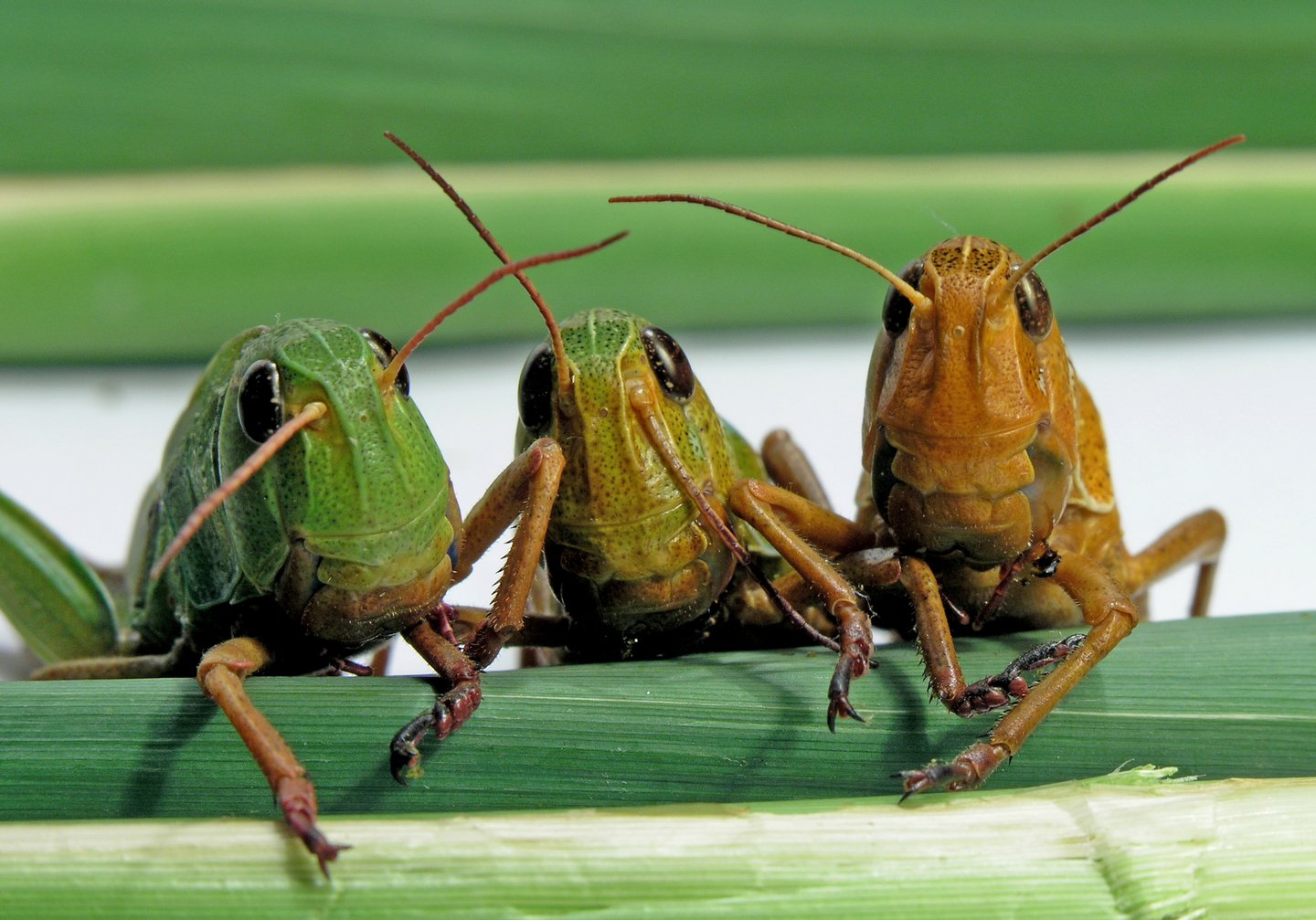
AI-generated nature images can appear convincing, though they often contain anatomical errors or depict non-existent species. «The Beetle Noticed» relies exclusively on real photographs and verified information, helping readers better understand insects without unnecessary fear or misconception.
The media is aimed at an audience aged 16 to 45. Readers may include individuals who are wary of insects, parents answering their children’s questions, and budding naturalists interested in studying nature.
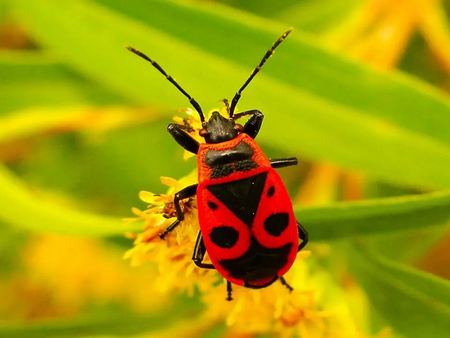
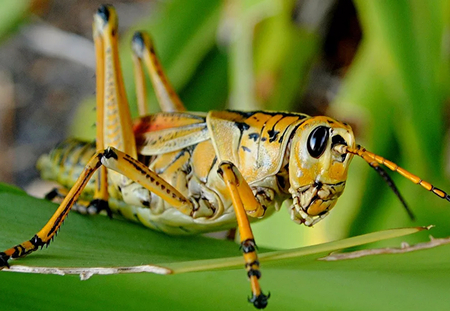
Telegram will serve as the primary platform for the project. Additionally, materials will be posted on VK, and short videos will be used to attract a new audience.The media content is distributed across several sections. «Bug of the Week» introduces readers to a specific species, while «Who Is It?» is built using photos from subscribers. The «Myth or Fact» section addresses common misconceptions. Individual posts are dedicated to the ecological role of insects and situations in which they can actually pose a danger.
Why Does a Project Need Artificial Intelligence
A significant portion of the «BUG Noticed» material will be based on user observations. Subscribers can submit photos of unidentified insects and ask questions about their behavior.Each submission requires processing. We must examine the photograph, determine the insect’s potential classification, and verify the found information. If the observations become numerous, it is difficult for the editorial team to complete all the preliminary work manually.
Artificial intelligence is intended to accelerate these processes. It can analyze images, suggest identification options, and help locate information in scientific sources.
An additional AI function is involved in preparing publications. After verifying the information, the system drafts the text, which the editor refines based on the nature of the media.
AI can also analyze audience questions. Recurring inquiries help to understand which insects generate the most interest and which topics require further explanation. However, automation must not replace expert review. Since the exact species cannot always be determined from a photograph, the neural network’s suggestions are considered only as a starting point for research.
The primary function of the AI in this project is information processing, not the creation of artificial observations.
Data Sources
Media work begins with acquiring real visual material. Photography forms the foundation of subsequent research; therefore, its origin and quality are critically important.
User Observations
The primary source of data for the «Who Is It?» section is photos submitted by subscribers via the Telegram bot.Along with the picture, the user provides the region and the approximate time of observation. Optionally, they can describe where they found the insect and what it was doing. This information helps narrow down the possible identifications. For instance, some species are only found in specific natural environments, and the activity of others depends on the season. After receiving the photo, the system assesses its quality. If the insect is photographed too far away or the necessary features are indistinguishable, the AI prompts the user to take another shot. However, the user is not required to provide exact coordinates; an approximate location is usually sufficient for editorial content.
Research Sources
Entomological reference books and scientific publications are used to verify the information. iNaturalist can serve as an additional resource, which hosts real-world observations of living organisms.AI assists in locating materials related to the suspected species and extracting the information necessary for publication. The acquired data is then reviewed by an editor. Special attention is paid to the subtle differences between similar insects, as superficial resemblance does not always indicate membership in the same species. If scientific sources contain conflicting information, the editorial team must not obscure that uncertainty. Publications must only use verified data or clearly state any existing limitations.
Project Photo Archive
Verified observations gradually form a personal media archive. A card is created for each photograph, storing information about the author and the established taxonomy. The date of observation and region are also included, provided the user entered this information. AI helps organize the archive and locate images that can be used for comparison. For instance, when preparing material on similar species, the system can suggest photos from previously verified observations.
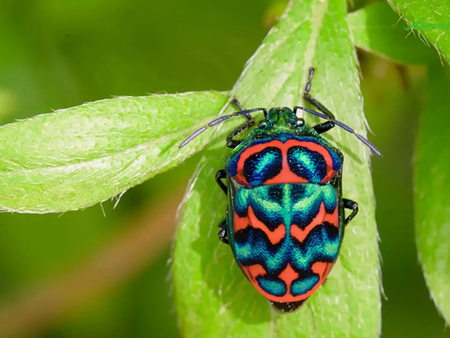
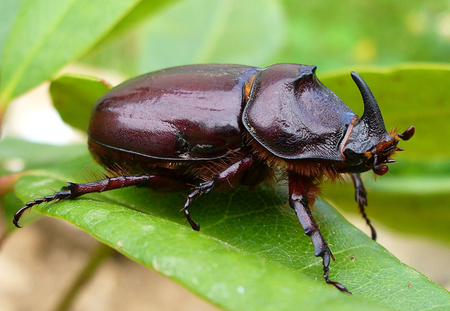
The archive will subsequently serve as a source of illustrations for publications, but each image must be used with the author’s permission.
Audience Feedback
Subscribers' comments and questions help the editorial team determine future directions for their work. If readers repeatedly ask about the same insect, the AI can aggregate these inquiries and suggest a topic for a dedicated analysis. Similarly, survey results are analyzed to show which sections interest the audience and which explanations remain unclear. When processing inquiries, users' personal information is excluded from analytical materials.
Data Workflow Schema
Unlike media, where AI is primarily used for generating publications, the «BUG Noticed» project begins its automation process by analyzing real-world observations.
The main workflow begins with a photograph submitted by a subscriber and progresses to a verified explanation, which then becomes part of the general archive.
Processing Stages
Example of system use