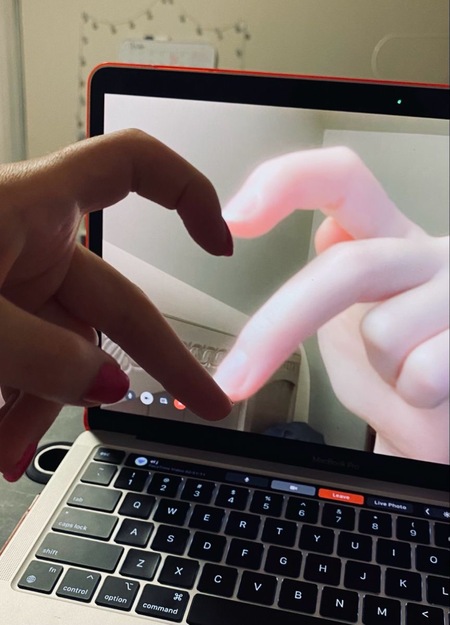
And I want to be near you But every road leads to an end.
— Sufjan Stevens, Death with Dignity
Прорваться, чтобы дышать: автоэтнография существования в ограниченных пространствах
Что происходит, когда человеческие отношения заперты в ограничениях пространства, как офлайн, так и онлайн? Как мы пытаемся прорваться в отторгаемые от нас пространства, борясь за глоток свободы? Что происходит с человеком, когда он вынужден существовать в пространстве, где само его существование может оборваться в любой момент?
Концепция
Люди — существа, чрезвычайно способные к адаптации. Биологическая эволюция может занять некоторое время, но когнитивно — мы очень быстро принимаем меняющиеся обстоятельства или, по крайней мере, привыкаем к ним и продолжаем жить как можем. Но тот факт, что изменения и ограничения больше не воспринимаются нами как неожиданность, не означает, что мы с ними комфортно себя чувствуем. В своей работе я хочу исследовать, как ограничения пространства, как физического, так и цифрового, влияют на людей и их отношения, и запечатлеть это через призму собственного опыта и опыта моих сокурсников.
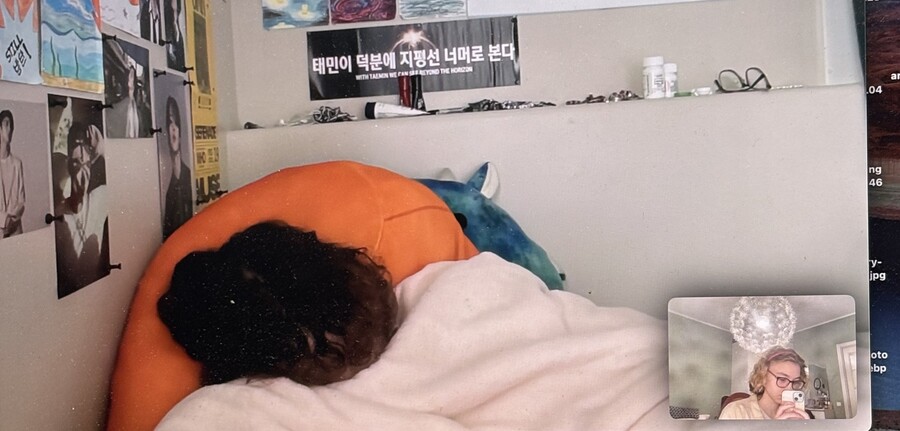
Фотография видеозвонка, личный архив, 2025
Тогда и там, сейчас и здесь
Мы — поколение, живущее в странном промежуточном состоянии. Мы привыкли к тому, что наши физические тела лишены свободы передвижения, — ограничение, которое впервые возникло из-за глобальной пандемии, а затем укрепилось политикой. Однако мы также ощутили вкус принадлежности к свободному глобальному миру, где мы могли путешествовать как по близким, так и по дальним местам. Снова оказаться в некоторых из этих мест теперь кажется крайне сложным, если не невозможным. Таким образом, свобода пересекать границы, океаны, жизненные этапы — теперь у нас отнята. Мы побывали в большом мире и видели, как наши старшие сверстники свободно перемещаются в любые пространства, более подходящие для их жизни, но то, что мы можем сделать это сами, теперь кажется смесью воспоминаний и мечты.
Снимок экрана, личный архив, 2025
Я не хочу сказать, что всё совсем безнадёжно. Мы не лишены своих привилегий: когда-то мы могли переезжать и путешествовать, и, возможно, сможем делать это снова с лёгкостью. Просто сейчас, в годы, которые кажутся определяющими для нашей жизни, мы застряли в пространстве, которое стало неприятно менее пригодным для выхода, чем раньше. Если использовать простую аналогию, вокруг нас нет бетонных стен, а есть лишь довольно высокий забор. Конечно, есть способы обойти его, но мы помним мир без заборов, в котором добраться до другой стороны не требовало столько времени и усилий.
Эффекты (не)выбора
Не могу подобрать слова, более подходящие для этого состояния, чем «статичность» и «застой». Тела способны двигаться только в широком, но строго ограниченном пространстве, постоянно осознавая налагаемые на них внешние ограничения. Люди могут адаптироваться, особенно когда им не дают выбора, но потеря привилегии выбора оставляет нас чувствовать себя разочарованными и бессильными. Неудивительно, что эти ограждения сильно влияют на эмоциональное благополучие. Физически пространство, в котором мы живём, не изменилось. Но теперь это же пространство приобретает иные значения: контекст и коннотации того, как и почему мы находимся в этом пространстве, уже не те. До того, как наш мир обрёл границы, люди оставались в одном пространстве по собственному выбору. Теперь именно из-за этих ограничений места прежней принадлежности кажутся нам навязанными — не мы устанавливали правила ухода и возвращения и не можем на них никак повлиять. Именно эти последствия искажают эмоциональный ландшафт пребывания, превращая дом в клетку и делая сам воздух спертым от невольности.
melody. Hold on, Pinterest, 2025
Ответ из гугл-опроса, снимок экрана, 2025
Тела без возможности формировать
Тело, лишённое способности действовать, но не способности хотеть, загоняется в бесконечный цикл неспособности. Это своего рода ментальное пространство, формирующее наше восприятие физического пространства. Утрата возможности уйти также сводит на нет возможность остаться, поскольку варианты «делать» и «не делать» неразрывно связаны. Феноменология вынужденного пребывания в ловушке вместо того, чтобы inhabit, по сути, является обратной стороной другой весьма распространённой относительности пространства-выбора — поиска убежища. Эта проблема, хотя и недоосвещённая, более заметна, поскольку она представляет собой видимое изменение, а не его отсутствие.
Patrick Feely. Pinterest, 2025
Это также люди, лишённые выбора, но вынужденные бежать, а не населять. Другими словами, это влияет на воспринимаемое нами пространство и на то, какие именно тела его населяют. Я полагаю, что эти случаи более похожи, чем кажутся. В обеих ситуациях тела лишены способности формировать пространство, и нельзя назвать или сделать пространство своим, если ты не способен его формировать. В обеих ситуациях изменение — или его отсутствие — является внешним фактором. Более того, эти две группы людей переплетены. Человек, покидающий пространство, из которого невозможно выйти, теперь динамичен и бежит, вряд ли вернётся. Человек, возвращающийся — если только не произошло изменений — статичен и заперт в ловушке, вряд ли уйдёт. Как общество, мы лучше знакомы с эмоциональным ландшафтом ухода, поэтому я предлагаю использовать его в качестве эмпатического якоря для понимания своего рода пространства, сформированного отсутствием выбора: пространства, загрязнённого образами жизни, которая могла бы быть, если бы тела не были ограничены в своей способности её формировать.
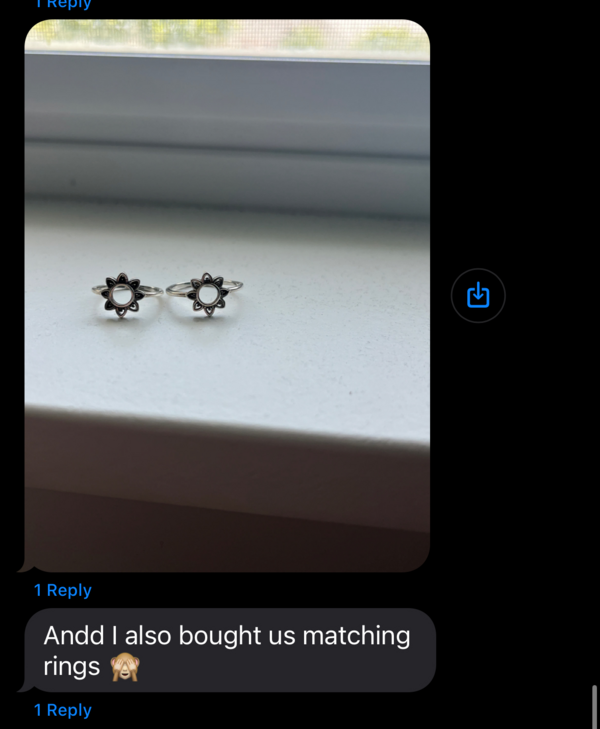
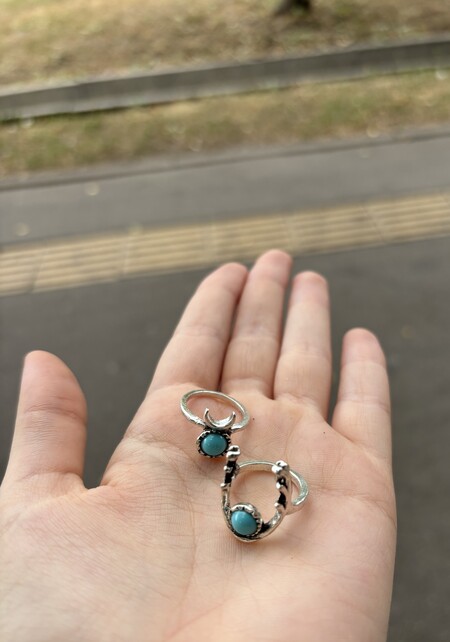
фоторафии из личного архива, 2025
Эмоциональный опыт невозможности движения
Ответы из гугл-опроса, снимок экрана, 2025
Сара Ахмед пишет в своей «Квир-феноменологии» о том, что не всем телам дана возможность свободно или комфортно путешествовать. Свобода некоторых ограничена не напрямую, ведь теоретически они могут перемещаться из одного места в другое. Но опыт таких тел будет отличаться от опыта тех, кто не сталкивается с ограничениями. Для них перемещение из одного места в другое станет чем-то неприятным, поскольку они не чувствуют себя желанными в пространствах, через которые проходят. Чувство нежеланности в каком-либо пространстве может вызвать желание покинуть его как можно скорее, потому что вы понимаете, что это место не было создано с учётом ваших интересов. У вас может быть право обитать в нём или вы постепенно обретаете это право, но вам нужно прилагать усилия там, где от других этого не требуется. Такова базовая феноменология тел, неспособных путешествовать или обитать в каком-либо пространстве. Проблемы начинаются не только тогда, когда вы нежеланны в пространстве путешествий и за его пределами, но и когда пространство, в котором вы вынуждены оставаться, также не было создано с учётом ваших интересов. Итак, разочарование начинает накапливаться, и вы страетесь преодолеть барьер между собой и остальным миром — сегодня это чаще всего означает побег через Интернет.
Собственная работа. «Blue», на стихотворение моего партнёра. 2025
Не проблематичная проблема
Обозначив ключевую проблему ограничений и возможностей, я теперь могу представить свои свидетельства («Откуда мы?») по этому вопросу. Уже почти год я нахожусь в отношениях на расстоянии, а мой партнёр живёт в стране, которая относится к «миру за оградой». И хотя это создаёт множество проблем и крайне затрудняет встречи, на мой взгляд, физические географические границы — не главная проблема, которая заставляет нас тяжело переживать текущие события. Хотя отношения легче поддерживать, когда два человека физически вместе, концепция отношений на расстоянии не нова. Существует множество инструментов и ресурсов, которые позволяют нам выходить за рамки физического пространства, переходя в цифровое. Поэтому мы делаем — или я сделала — самое человеческое, что я могла сделать: я адаптировалась. Я не могла формировать это пространство, поэтому я приняла его правила и связанные с ними последствия.
Фотография видеозвонка, личный архив, 2025
Адаптация через формирование другого пространства
Ответы из гугл-опроса, снимок экрана, 2025
Чтобы существовать в ограниченном пространстве, мне пришлось смириться с тем, что я могу видеть своего партнера только пару раз в год, и даже это дорого обходится. Мне пришлось смириться с тем, что я не могу вернуться домой к любимому человеку или быть с ним, чтобы оказать поддержку в трудные времена. У меня нет возможности делать выбор, свободно перемещаться туда, куда я хочу, и с кем я хочу быть. И я обращаюсь от ограниченного пространства в безграничное. Если я не могу двигаться, я буду хотеть двигаться. Если я не могу сделать, я буду надеяться сделать это. Я вырвала свои отношения из клетки физического мира и спрятала их в своем ментальном ландшафте, копя импульс двигаться и действовать, пока у меня не появится возможность воспользоваться им.
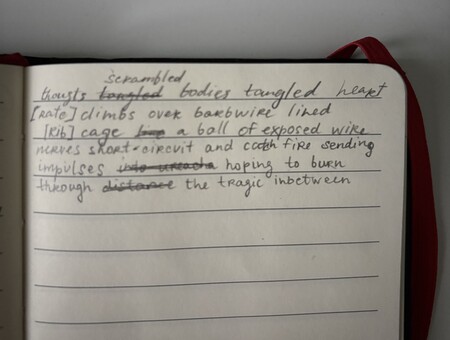
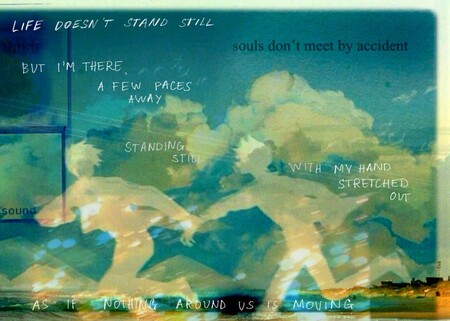
Мои заметки и записи, 2025