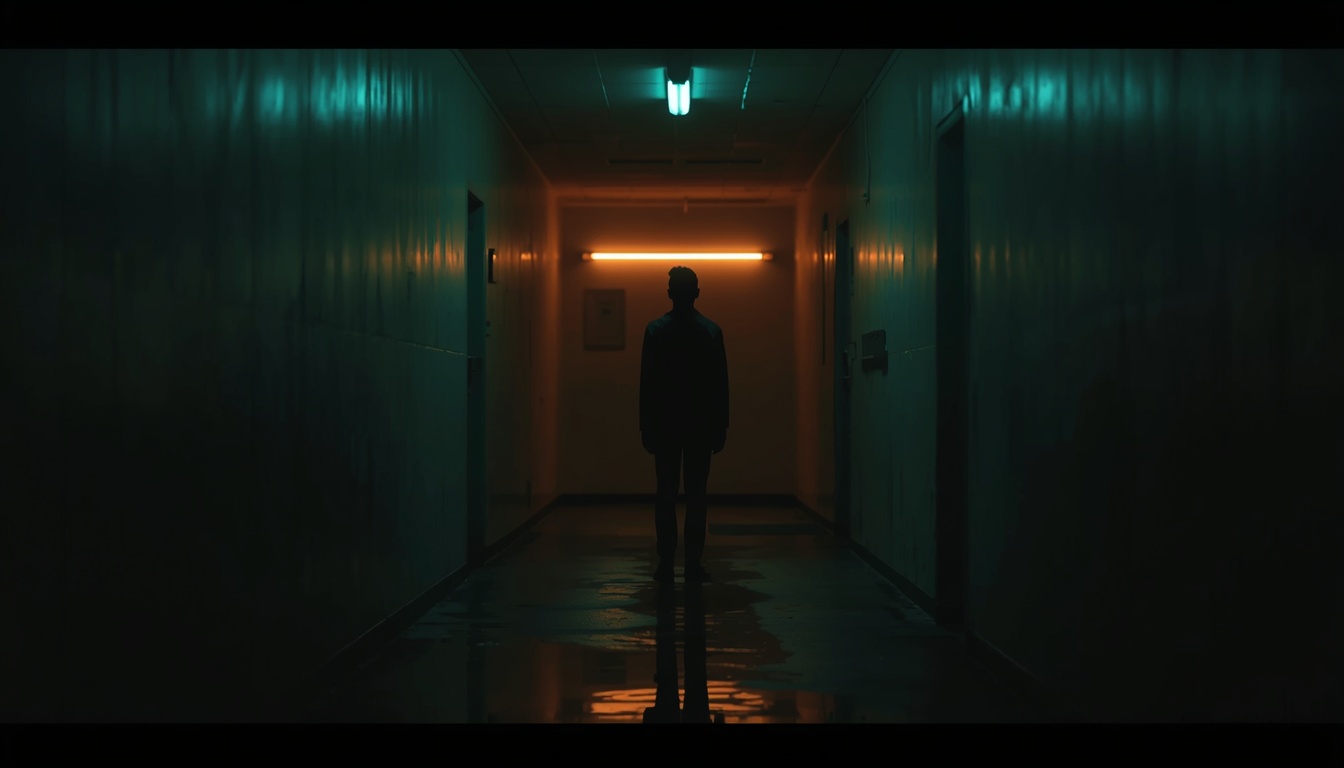
«Что это за медиа»
Telegram-медиа о фотографии, кино и музыкальных клипах
Concept
Media isn’t about what to watch. Media is about how to watch.

Problem: The audience consumes and saves many references, but struggles to translate that visual literacy into language and personal practice. Solution: Short breakdowns—this is the technique, here is why it works, how to identify it in other materials, and how to replicate it. Audience: 18–35 years old, shooting videos on phones or cameras, editing short clips, and studying design, film, or photography. Tone: Precise, but not academic. Free of snobbery. Formats: Shot analysis, comparing two pieces of material, mini-exercises, «one frame—one question, ” analyzing a clip across the axes of light, movement, and editing.
Data Sources for Media
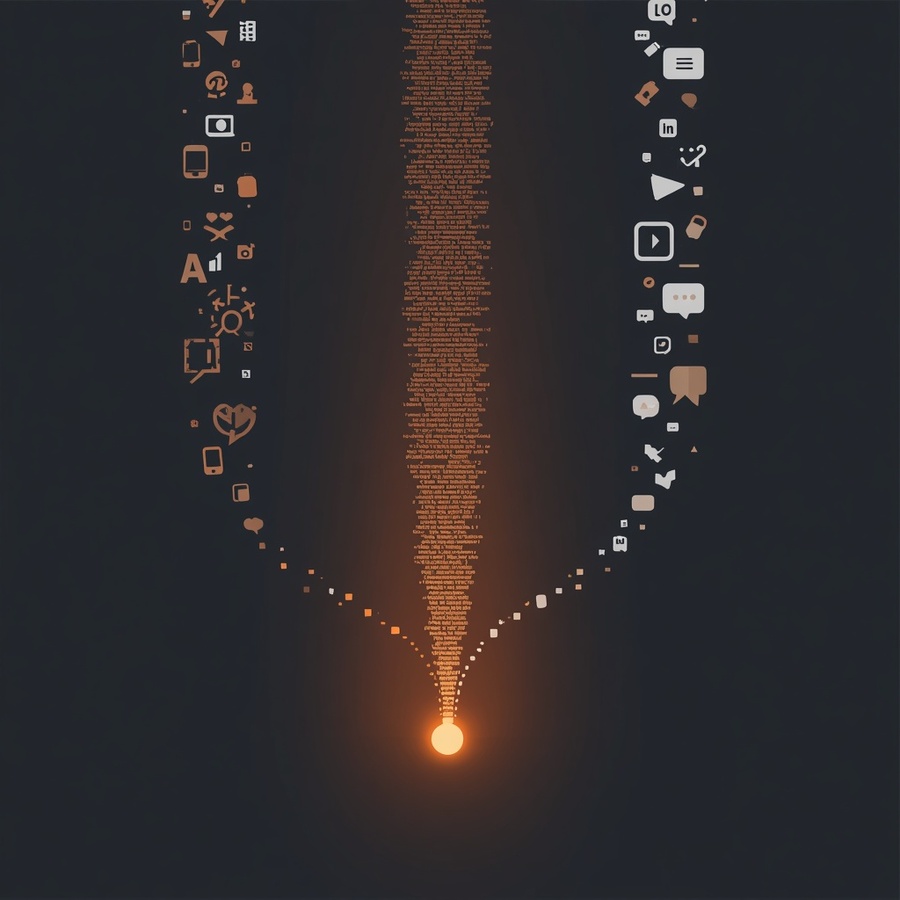
Visual material—film clips, photographs, music video excerpts, and references. For each piece, we note: what it is, where it’s from, and what technique it demonstrates.
Authorial texts—Alina’s analyses: why the shot works, what technique is used, and how to apply it. This is the core «human» content.
Audience reactions—comments, submitted clips, exercise responses, and questions about the analyses.
Channel analytics—views, saves, shares, and traffic. These are necessary for adjusting segments and posting frequency.
Data Schema: Human and Machine
The machine handles the routine. The human creates meaning.
Flow: source → collection → processing → publication
Human processing (media core): Selecting the frame and segment; Formulating the approach; Writing the analysis; Comparing two materials; Asking the reader a question; Final tonal editing.
Machine Processing (Support Layer):
video frame extraction;
previews and cropping;
rough transcription;
grouping references by tags (light / empty space / movement / editing / color);
statistics gathering;
reminders for categories and slots.
Boundary Zone: the system suggests tags for submitted frames—the final acceptance decision remains with the human user.
Guidelines for Automated Services
Six Rules to Ensure Automation Doesn’t Steal Authorship
1. Automation doesn’t formulate meaning. A service can offer a tag, a transcript, a preview, or statistics. Only a person can write the phrase, «Why does this shot work?»
2. A human checks everything that goes to the reader. A mistake in analyzing a technique destroys trust.
3. Prioritize supporting tasks. Cutting, tagging, statistics, reminders—leave these to the machine. Analysis and language—leave these to the person.
4. Transparency for the reader. If material has been prepared with automation, it is not hidden, but it is also not made the central focus.
5. Audience data is never published without consent. Submitted shots and comments must include proper attribution.
6. Automation doesn’t replace rhythm. Three posts a week—that is a human commitment. Services help you maintain your rhythm, but they do not replace regularity.
Formats and Automation
Frame Analysis: The user selects a frame and writes an analysis. The system prepares a preview and a tag.
Two Material Comparison: The user selects a pair and formulates a question. The system resizes the frames to a uniform dimension.
Mini-Exercise: The user formulates a task. The system collects the submitted responses into a single folder.
«One Frame—One Question»: The user posts a frame and a question, then writes the analysis later in the evening. The system sends a slot reminder.
Clip Analysis Across Three Axes: The user analyzes lighting/movement/editing. The system creates a preliminary cut of the segments.
Metrics and Final
How to tell if it’s working
We look at: growth in subscriptions and clicks; saves and shares—for media about visual language, these are more important than views; comments and submitted shots; requests for analysis.
We make adjustments after the first few weeks: frequency, if the rhythm doesn’t align with capabilities; the ratio of formats; the depth of automation for auxiliary tasks.
Final: Media isn’t about what to watch. Media is about how to watch. Here, automation isn’t the author—it’s a tool that frees up time for what matters most: framing the reception and engaging in dialogue with the reader.