Media Concept
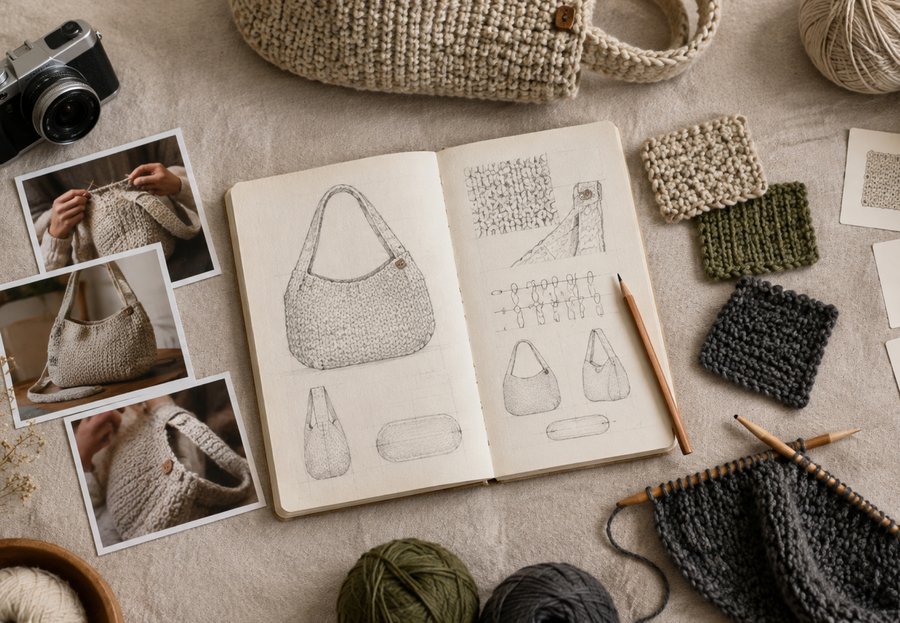
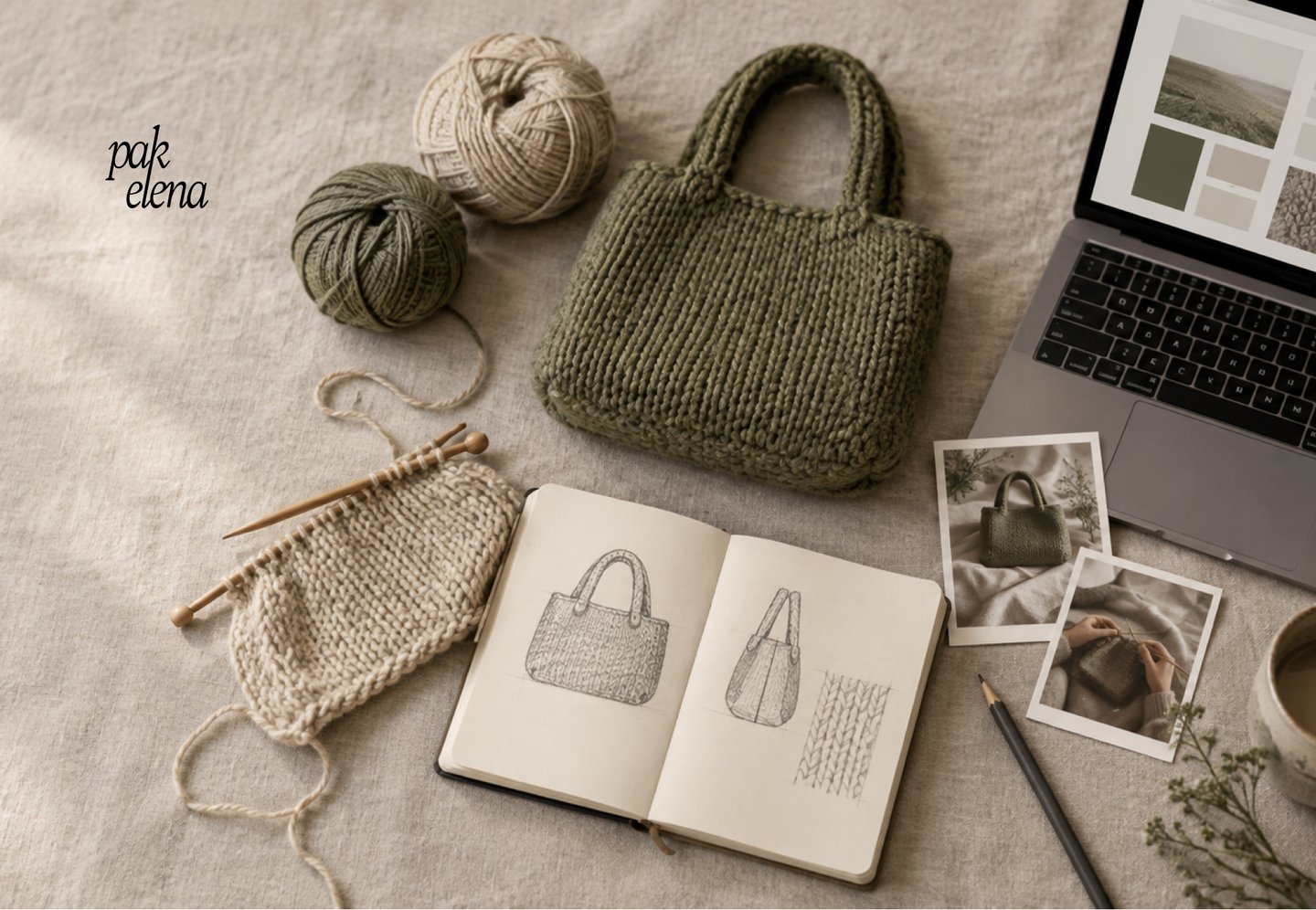
paklena — an artisan brand specializing in knitted clothing, bags, and accessories, along with media documenting the practice of a single craftsperson. The website integrates the studio, blog, shop, and education offerings, revealing the journey of an item from its initial sketch and yarn selection to the finished product. The brand is rooted in an attention to materials, details, and the person who will wear the garment. Instead of mass production, the brand features small collections connected by a shared concept, color palette, or texture. Each piece retains a personal character and reflects the time and labor of the creator.
Media showcases the handcrafting process from the inside: the search for form, experimentation with yarn, successful solutions, and revisions. The process is as important here as the outcome, and the publications possess independent value and are not merely a means of promoting goods.
The project unites individuals who appreciate artisanal pieces, are just beginning to knit, or are seeking new inspiration for their personal practice. The content, shop, and learning opportunities are integrated: you can read the item’s creation story in the blog, purchase a finished piece, or master a technique in a workshop. The visual language of paklena is built upon textures, close-ups of stitches, sketches, and photographs of items in everyday life. The calm design complements the material, while the personal and accessible tone of communication makes the workshop inviting to the reader. The project’s goal is to build a small community around the artisanal approach to knitting and provide everyone with an entry point—whether through understanding the process, purchasing a piece, or engaging in independent creativity.
Data Sources
The primary source of materials for paklena is the master’s own work. During the creation of pieces, sketches, photographs, video recordings, knitting samples, and working notes emerge. The author documents material choices, the sequence of actions, design modifications, and experimental results. These materials form the studio journals, object histories, collection news, and educational publications. A separate data source relates to the finished pieces. For each item, a card is created that saves the name, yarn composition, dimensions, technique used, care instructions, and photographs. Composition details are taken from the label or the manufacturer’s description. The master independently verifies the dimensions and features of the finished piece. One card forms the basis of the catalog, but individual information from it can also be used in editorial materials.
The instructional section is based on the author’s practical experience and proven methods. Before preparing material, the instructor performs the technique on a sample, documents the steps, and films the key actions. Supplementary resources may include knitting books, yarn manufacturer instructions, and publications from other authors. When referencing such materials, source information is maintained. Third-party photographs, patterns, and texts are not included in the publication without verifying the terms of their use. The workshop section is sourced from the program of a specific event. The author determines the theme, required skills, duration, materials, participant capacity, and learning outcomes. The date, cost, and registration terms are entered separately and confirmed before publication. This prevents mixing the preliminary concept of a session with the finalized offering for website visitors.
Another source of material comes from questions posed by readers and masterclass participants. These help us understand which stages present difficulties and where explanations need further elaboration. For this, the project can utilize a feedback form, comments, and short surveys. Editorial materials feature the questions and observations themselves, not the senders' personal data. Names, photos, and personal stories are published only with the individual’s consent.
Data Schema
Working with materials in paklena follows a sequential process. First, the artisan creates and assembles the initial data. Then, digital tools help organize it and prepare a draft for publication. Following this, the author reviews the content, edits the text, and approves the material. Only the approved version is submitted for publication. Automation here supports one individual’s workflow but does not replace their expertise or editorial judgment. At the collection stage, the individual photographs the process, records observations, measures the items, and verifies the knitting techniques. They determine what is important to preserve and what conclusions can be drawn from the work. Machine processing at this stage might involve transferring files to a shared repository, transcribing voice memos, and organizing materials into folders. For instance, photographs, recordings, and details about a new bag are combined into a single project to subsequently use for an article and product page.
A record is created in the editorial database for every future piece of content. This record specifies the topic, format, section, source materials, associated images, and readiness status. For a product, ingredients, dimensions, price, and availability are added. For a masterclass, the date, duration, curriculum, and participation requirements are included. These details are confirmed by a person. The digital system stores them in a unified structure, helping to locate materials related to a specific subject or technique.
At the preparation stage, the automated service can suggest an article structure, compile a draft from notes, shorten the text, or prepare a preview. It can also suggest titles, captions, and topical tags. The author selects the appropriate option, infuses the text with their personal tone, and verifies every substantive claim. In the training materials, it specifically cross-references the sequence of actions with the actual knitting process.
Image processing is also a collaboration between humans and software. The service can resize photos, compress files, and prepare variations for different screens. The artist selects the shots, checks the color, and ensures that the processing does not distort the texture, shape, or details of the piece. AI-generated illustrations are considered separately from documentary process photography.
Before publishing, the system checks for completed required fields, the presence of images, and the functionality of links. A human performs a final review of the text, instructions, pricing, and enrollment terms. Once approved, the material can be published immediately or scheduled. Connections between entries allow you to supplement an article with a link to a related product, a suitable lesson, or a workshop. After publication, digital tools gather data on views, traffic, and submitted applications. The author considers this data alongside reader questions and their own observations to decide which topics to continue, which explanations to refine, and which formats to include in the next thematic plan.
Guidelines
All automated services within paklena work with materials submitted and authorized by the creator. Their purpose is to reduce repetitive tasks, assist with data organization, and help prepare drafts. They must not independently invent facts about the brand, product characteristics, or events in the studio. If information is missing, the service flags the gap and passes the question to a human reviewer. For transcriptions, the rule of preserving the original meaning applies. The service can eliminate repetitions and break speech into paragraphs, but it must not add conclusions or alter technique names. Illegible words and questionable terminology are flagged for verification. The original recording is saved so the creator can compare it with the transcription.
A unified editorial style is used for all text. All publications are created in Russian, but the name paklena remains in lowercase Latin script. The tone should be calm, personal, and accessible. The service avoids pushy calls to action, complex phrasing, and vague marketing promises. Technical terms are explained upon their first appearance. First-person narration is only permitted when based on the author’s real notes and statements.
Training materials undergo mandatory review by a master. The service must not present a self-generated sequence of actions as a verified instruction. The number of stitches, needle sizes, dimensions, and yarn consumption are taken from the confirmed data of a specific project. If the result depends on the knitting density or the chosen material, this limitation must be retained in the text.
A rule of authenticity applies to images. Automated processing must not alter the structure of an item, obscure important details, or significantly distort the color. Generation may be used for atmospheric covers and conceptual illustrations, but such images must be labeled as AI-generated. They do not replace photographs of the actual product or verified images of knitting progress. Product and masterclass data are sourced from approved records. Price, availability, date, duration, and capacity are not invented or carried over from old publications without verification. If a required field is empty, the material remains a draft. The planner publishes only the version approved by the author. Participants' personal data is not shared with content preparation services. Anonymized questions and generalized observations are used for writing articles. Contact information for masterclass registration is stored separately from editorial materials. Automated tools are only provided with the information necessary for the specific task. Any result from machine processing must remain available for review and correction. Source materials and approved versions are stored separately. If an error is discovered after publication, the author corrects it and explains the change to readers if necessary. The core principle of paklena is that digital tools help tell the story of handmade work, but the responsibility for the content remains with the human.