Содержание
- Концепция
- Российский рынок казуальных игр в нулевые
- Alawar и Nevosoft как лидеры рынка
- Технологии и особенности разработки казуальных игр
- Влияние казуальных игр на культуру и игроков
- Заключение
- Библиография
- Источники изображений
Концепция
В то время как во всем мире игровая индустрия выходила из разряда нишевых развлечений и становилась одной из ведущих индустрий наряду с музыкой и кинематографом, а бюджеты игровых проектов постепенно становились с ними сопоставимыми, российский рынок видеоигр находился на стадии активного формирования.
Важную роль в этом процессе занимали казуальные игры. Они были просты в своих механиках, а также легки в освоении, что в сочетании с невысокой стоимостью (и широкими возможностями для пиратства) создавало, пожалуй, идеальные условия для их распространения.
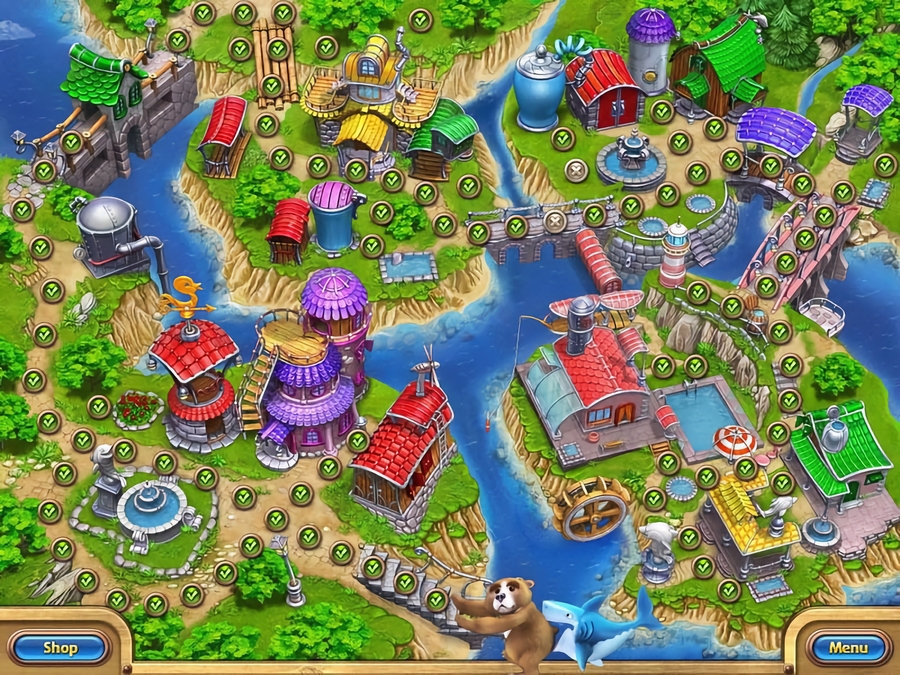
Экран выбора уровня в игре «Веселая ферма 3. Рыбный день»
Лидеры российского рынка казуальных игр того времени, Alawar и Nevosoft, в итоге повлияли на развитие не только местного рынка, но и всей мировой индустрии этого жанра. Игры, издаваемые и разрабатываемые ими, заполнили нишу между дорогими и сложными играми от крупных студий и простыми потребностями игроков, ищущих простых развлечений. По удачному совпадению, в то время в России также активно распространялся интернет, и это стало по-настоящему мощным фактором, влияющим на дистрибуцию игровых проектов.
В данном исследовании будут отмечены в том числе и культурные особенности российских игр 2000-х годов, экономические и социальные предпосылки к их популярности. Благодаря новым на то время технологиям и методам разработки российские игры получались интересными и разнообразными. А в тех аспектах, в которых отечественные студии не могли предложить уникального опыта, такие компании, как Alawar и Nevosoft, издавали зарубежные проекты, локализуя их с помощью перевода игрового текста или озвучки на русском языке.
Обложка одного из сборников видеоигр, выпущенного компанией «Фаргус» в 2000 году
В рамках этого исследования было взято интервью у сооснователя компании Nevosoft Алексея Сереброва, он ответил на некоторые вопросы, связанные с деятельностью его компании и с состоянием рынка в тот период.
Российский рынок казуальных игр в нулевые
После распада СССР и кризиса, последовавшего за этим, Россия находилась в процессе экономического восстановления. Доходы населения постепенно росли, а довольно большое число людей обзавелись собственными домашними персональными компьютерами. Таким образом, в стране появился спрос на персональные развлечения, но так как общество в своей массе еще не привыкло к дорогим и сложным играм, появились благоприятные условия для развития новой индустрии — казуальных игр.
Стоит отметить также следующий культурный аспект: в России того времени наблюдалось повышение интереса к цифровому и более интерактивному развлечению, в противовес фильмам и книгам. Так как казуальные игры было достаточно легко освоить, это также создало благоприятный фактор для перетягивания аудитории, далекой от традиционного гейминга (например, женщин или пожилых людей).
Полка с дисками в одном из российских магазинов
К началу нулевых на рынке сформировалось два крупнейших игрока — Alawar и Nevosoft. Они занимались разработкой, издательством и распространением собственных и иностранных тайтлов. В то время как Alawar специализировался на локализации и разработке игр в жанре «поиск предметов», а также головоломок и аркад, Nevosoft, по словам Алексея Сереброва, выделялся «смелыми юморными лорами и инновациями в кэжуал геймплеях».
Не стоит забывать и про распространение широкополосного интернета, что стало катализатором популярности казуальных игр. Физические носители как способ дистрибуции были вытеснены для этих игр моделью try-and-buy. Игроки могли скачать демо-версию игры, чтобы протестировать её перед покупкой, а затем приобрести полную версию через интернет или используя СМС.
«Возможность качать игры родила их онлайн продажи и вообще кэжуал индустрию. Все шло в ногу: графика, железо, платежи, игроки, разрабы.»
- Алексей Серебров
Социальные сети и многочисленные форумы, появлявшиеся тогда, становились отличной площадкой для рекламы и обсуждения казуальных игр: на них люди делились своими рекомендациями и писали отзывы, что дополнительно увеличивало их популярность.
Alawar и Nevosoft как лидеры рынка
К началу нулевых на рынке сформировалось два крупнейших игрока — Alawar и Nevosoft. Они занимались разработкой, издательством и распространением собственных и иностранных тайтлов. Вот как тот период описывает сооснователь студии Nevosoft Алексей Серебров:
«Мы делили рынок с компанией „Алавар“, которая тогда на постсоветском пространстве тоже продавала скачиваемые кэжуал игры. Может быть, они были чуть побольше, может, поровну, точно не замеряли. У нас и у них были web-порталы, где можно качнуть и заплатить за игру, и разработчики, как правило, давали игры и нам, и им. И была часть собственных эксклюзивов, которые мы друг другу не давали. Позиционированием мы тогда особо не занимались, рынок бурно рос, было весело, и позиционировалось оно как-то само.»
Современный логотип Alawar
Alawar появился в 1999 году в Новосибирске — его основали двое студентов Новосибирского государственного университета, и поначалу компания позиционировала себя как разработчика небольших компьютерных видеоигр. В дальнейшем она станет первопроходцем в выводе российских игр на мировой рынок.
«Веселая ферма» — это игра жанра тайм-менеджмент, пожалуй, самая известная и популярная игра студии Alawar. Простой, понятный, но увлекательный игровой процесс, связанный с развитием фермы, привлекал и затягивал многих игроков. Эта формула оказалась настолько удачной, что для игры было выпущено множество продолжений.
«Сокровища Монтесумы» — еще одна популярная игра от Alawar, на этот раз жанра «три в ряд». В ней игроков привлек красивый внешний вид, качественные визуальные эффекты и динамичный геймплей.
«Большой змей» — вариация игры «Змейка», выполненная полностью в 3D.
«AirXonix» — аркада, в которой нужно закрашивать игровое поле, собирая бонусы и защищаясь от врагов.
Компания Nevosoft была основана в 2002 году и ориентировалась на высокое качество продуктов, а также визионерство в продуманных и необычных механиках. Среди ключевых проектов компании такие игры, как серия «Тайны Города N», «Супер-Корова» и «Полцарства за принцессу», и вот как о них отзывается Алексей Серебров:
Логотип компании «Nevosoft»
«„Полцарства за принцессу“ была просто новым геймплеем, которого еще не было на рынке. То есть тут чистое изобретение и попадание, ну и более-менее исполнение. „Супер-Корова“ была одним из первых качественных платформеров в России, да еще и с классными персонажами и историей. „Тайны города N“ был в принципе один из хогов первой волны в мире, где появился связный сюжет и персонажи.»
- Алексей Серебров
Игра «Пляжный рай» представляла из себя бизнес-стратегию, в которой нужно было обустраивать пляж, строить шезлонги, кафе и магазины, нанимать персонал, который будет заниматься поиском пропавших вещей и уборкой, а также выполнять уникальные для каждого уровня задания, например починить статую русалки или обустроить лабиринт минотавра.
«Племя тотема» — военная стратегия в реальном времени, в которой игроку предстояло взять на себя роль вождя племени, построить различные военные здания, тренирующие солдат, защитные башни и мастерские, а помимо этого исследовать все острова и привести свое племя к процветанию.
Технологии и особенности разработки казуальных игр
Казуальные игры всегда были просты в разработке и нетребовательны к аппаратному обеспечению игроков. Они создавались в основном на универсальных движках, которые уже давали некоторые базовые возможности по созданию графической и программной части игры.
Примеры таких движков: — Adobe Flash — популярнейший инструмент для создания простых аркадных и казуальных игр. В основном использовался для проектов с 2D графикой; — Game Maker — движок, который позволял разрабатывать игры, обладая минимальными навыками в программировании; — DirectX — набор инструментов разработки для Microsoft Windows, с помощью которого можно было создавать более сложное графическое наполнение, а также более продвинуто работать со звуком.
В частности, эти технологии определили ключевые особенности казуальных игр, которые актуальны по сей день: простота в управлении и быстрое освоение механик.
«Zuma» — казуальная головоломка с простым динамичным геймплеем, в которой игроку нужно было стрелять шариками случайных цветов, чтобы собрать их в цепочку и уничтожить. При этом делать это нужно было быстро, ведь все шарики движутся по дорожке, и если они дойдут до конца, игрок проиграет.
Как было сказано выше, казуальные игры ориентировались на аудиторию с не самым мощным «железом». В пример можно привести игру «Moorhuhn», которая в России более известна как «Сумасшедшая курица». Так как она состояла из 2D спрайтов и простых анимаций, запустить её можно было даже на офисных компьютерах.
Для привлечения максимально широкой аудитории в казуальных играх использовали запоминающуюся графику, для создания которой персонажей делали мультяшными, цвета яркими, а интерфейс дружелюбным и даже иногда детским.
Хорошим примером тут будет игра «Как достать соседа». В ней простая механика point-and-click сочеталась с оригинальной идеей — нам нужно было напакостить соседу различными способами так, чтобы он нас не заметил. Технически эта игра была создана на движке для работы с 2D-графикой, но внимание к деталям, проработанность и оригинальная задумка сделали её крайне популярной.
Музыка также была лаконичной, чтобы не перегружать игру и не отвлекать от игрового процесса. В том же Moorhuhn была только простая музыкальная тема и аккуратные звуковые эффекты, которые только дополняли атмосферу, но не перетягивали на себя внимание.
Влияние казуальных игр на культуру и игроков
Казуальные игры, которые разрабатывали и выпускали в России такие компании, как Alawar и Nevosoft, оказали значительное влияние как на российскую игровую индустрию, так и на мировую. Можно сказать, что когда-то было время, когда для миллионов офисных работников и обладателей домашних ПК такие игры стали частью повседневной жизни.
Во времена активного зарождения этого рынка казуальным играм удалось сделать то, что удавалось мало кому — привлечь к себе аудиторию, которая обычно редко интересуется видеоиграми, в частности женскую и пожилую. Этого получилось добиться в том числе благодаря большой вариативности игровых механик в этих проектах: какие-то были активными и динамичными, какие-то, наоборот, медленными и медитативными, так что любой человек мог найти что-то по своему вкусу.
Скриншот из игры «Ферма Айрис. Цветок стихий»
Можно предположить, что отдельные игровые проекты удачно попадали в российскую аудиторию своими сеттингами и темами. Например, «Суперкорова» от Nevosoft и «Веселая ферма» от Alawar обыгрывают тематику сельской жизни, которая близка многим российским игрокам. Также Nevosoft активно использовал в своих играх атмосферу путешествий и загадок, чем также подогревал интерес к исследованию новых мест.
Казуальные игры того времени показали, что этот жанр может быть интересным, популярным и продаваемым. Во многом поэтому он существует до сих пор и активно развивается.
«Большинство жанров, что родились в нулевые, сейчас живы. Многие перекочевали на мобилы, стали играми-сервисами. Это всё бурление одного большого процесса, где всё влияло на всё, и нельзя кого-то посадить в отдельную банку, как тупиковую ветвь геймдев-эволюции.»
- Алексей Серебров
Большинство игроков, которые до сих пор вспоминают те игры как первые, с которыми они познакомились, уверены в том, что будущее у этого жанра есть, и очень даже насыщенное, ведь эти игры оставили культурный след и стали частью воспоминаний для поколения 2000-х годов.
«Казуальная индустрия в основном переехала на мобайл и стала еще более глобальной. Я думаю, в ближайшее время она там и останется. В России будет как везде, если убрать текущую специфику (например, трудности с платежами в сторах), ибо рынок глобален.»
- Алексей Серебров
Заключение
Российский рынок в нулевые представлял из себя уникальное явление. Последствия кризиса, накладываемые на бурное развитие интернета, цифровых технологий и рост спроса на персональные развлечения, стали почвой для развития рынка казуальных игр.
Такие компании, как Alawar и Nevosoft, продемонстрировали, что удачные эксперименты с жанрами и механиками могут стать ключом к успеху и формированию имиджа компании и памяти об их играх на десятилетия вперед, причем не только в России, но и в мире.
Казуальные игры того времени стали символом эпохи и дали начало целому новому одноименному жанру, который не потерял своей актуальности на сегодняшний день, а некоторые разработчики, которые тогда делали игры «вдвоем с другом» и «на коленке», сегодня участвуют в крупных международных и, в том числе, российских проектах.
Таким образом, Alawar, Nevosoft и прочие компании оказали долгосрочное влияние на формирование современных российских студий и сегодняшнего облика индустрии в целом.
Библиография
- Суворова А. В. Российский рынок видеоигр: характеристика и тенденции развития // Материалы V Всероссийской научно-практической конференции. Москва. 2023.
- Данилов Р. А. Особенности развития игровой индустрии в России // Материалы ежегодной межвузовской студенческой научной конференции. Москва. 2023.
- Беспалова Е.А., Чапурина В.С., Юрченко А. С. Видеоигровая культура и ее влияние на мировую культуру // Сборник статей по материалам II Национальной научно-практической конференции. Тольятти. 2023.
- Усенков Д. Ю. Казуальные игры, 2009.
- Компания «Nevosoft». История компании [Электронный ресурс] // Веб-сайт компании «Nevosoft»: [сайт]. URL: https://company.nevosoft.ru/#about
- Горянская Д. Е. История российской игровой индустрии // Материалы XXIX международной научной конференции, к 320-летию основания Санкт-Петербурга. Санкт-Петербург. 2023.
Источники изображений
Изображения:
- https://piper.old-games.ru/view-2.php?id=1002 (дата обращения: 17.11.2024)
- https://www.labirint.ru/multimedia/263382/ (дата обращения: 17.11.2024)
- https://club.dns-shop.ru/blog/t-65-igrovyie-konsoli/84695-kak-razvivalos-piratstvo-v-rossii-lotochniki-iz-90-h-i-rastsvet/ (дата обращения: 19.11.2024)
- https://dzen.ru/a/ZMU4gOoW-2k7ttwU (дата обращения: 19.11.2024)
- https://blog.alconost.com/en/advertising-translation (дата обращения: 19.11.2024)
- https://alawarland.ru/games/biznes/magic-farm-ultimate-flower/ (дата обращения: 19.11.2024)
Видео:
- https://www.youtube.com/watch?v=8VO3dko_l-8 (дата обращения: 20.11.2024)
- https://www.youtube.com/watch?v=c58dALFP298 (дата обращения: 20.11.2024)
- https://youtu.be/1J9dmaozV1s?si=lpjiwY8Qg4xT2lnj (дата обращения: 20.11.2024)
- https://www.youtube.com/watch?v=LqxzxqpQo3Q (дата обращения: 20.11.2024)
- https://www.youtube.com/watch?v=Tbo-VKU-8f8 (дата обращения: 20.11.2024)
- https://www.youtube.com/watch?v=rdf_DPx54a4 (дата обращения: 20.11.2024)
- https://www.youtube.com/watch?v=G3vBdoM1OZU (дата обращения: 20.11.2024)
- https://www.youtube.com/watch?v=ABygHSIxKQU (дата обращения: 20.11.2024)
- https://www.youtube.com/watch?v=60qlB86DNx4 (дата обращения: 20.11.2024)
- https://www.youtube.com/watch?v=OuTMH5rrUvI (дата обращения: 20.11.2024)
- https://www.youtube.com/watch?v=Y_VQmUTa_zA (дата обращения: 20.11.2024)
- https://www.youtube.com/watch?v=klZdMkxKGoU (дата обращения: 20.11.2024)