Media Concept
The media pays attention to visual techniques, aesthetics, graphic solutions, and cultural phenomena that have not yet become mainstream but are beginning to reappear in independent projects, music scenes, fashion, and graphic design.
Data Sources for Media
The media utilizes open digital sources where new visual projects, authorial practices, and cultural phenomena emerge.
Are.na — Searching for visual connections and recurring techniques
Behance — Searching for emerging designers and independent projects
Pinterest — Tracking the Spread of Visual Solutions
Reddit — Identifying Interest in New Phenomena
Technical capabilities depend on the availability of APIs, RSS feeds, and platform permissions. For example, Are.na has an API for managing channels and blocks, while Reddit has specific data access rules that must be considered.
Data Schema
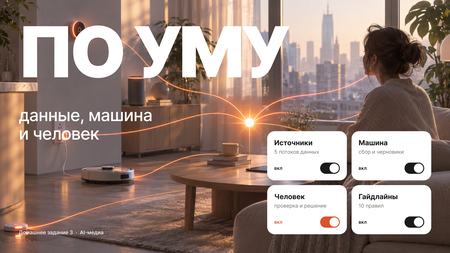
Media work is built on the principle of task division. The machine gathers and structures information; the human verifies its accuracy, assesses the cultural context, and makes the publication decision.
1. DATA COLLECTION
Machine · API, RSS, open publications
2. PRELIMINARY PROCESSING
Machine — cleaning, duplicate detection, keyword extraction
3. SEARCHING FOR SIMILARITIES
Machine · grouping of similar images, themes, and techniques
4. EDITORIAL REVIEW
Fact-checking authors, dates, sources, and context
5. INTERPRETATION AND SELECTION
Human · assessing signal significance and choosing a topic
6. PUBLICATION PREPARATION
The person edits and approves
7. TELEGRAM PUBLICATION
Automation assists with placement
Guidelines for Automated Services
To implement the system, we propose using several tools, each responsible for a separate stage of information processing.
Make — Connects data sources and launches automated workflows
RSS — Receives new publications from websites and blogs
OpenAI API — Analyzes texts, identifies themes, and assists in creating summaries
Airtable — Stores collected materials, links, authors, and review statuses
Telegram Bot API — Sends prepared posts to the editorial channel or as drafts
Automated System Operating Rules
01. Information Gathering
* Check available sources according to the set schedule.
* Use topical search terms: experimental typography, digital DIY, underground graphics, visual culture, emerging design.
* Save the original links and the date the material was discovered.
* Do not circumvent platform restrictions or collect private user data.
02. Information Analysis
- Identify keywords, visual characteristics, and thematic focus.
- Group materials with similar attributes.
- Locate recurring motifs across various sources.
- Distinguish original publications from reposts and duplicates.
- Do not equate the frequency of mention with proof of a trend.
03. Quality Check
* Verify the presence of the original source.
* Do not generate missing names, dates, links, or facts.
* Mark any unverified information.
* Do not use images without verifying authorship and usage rights.
* Maintain a connection between every piece of material and its original source.